
Fertiliser Transport in South Africa: Planning Deliveries for Planting Season
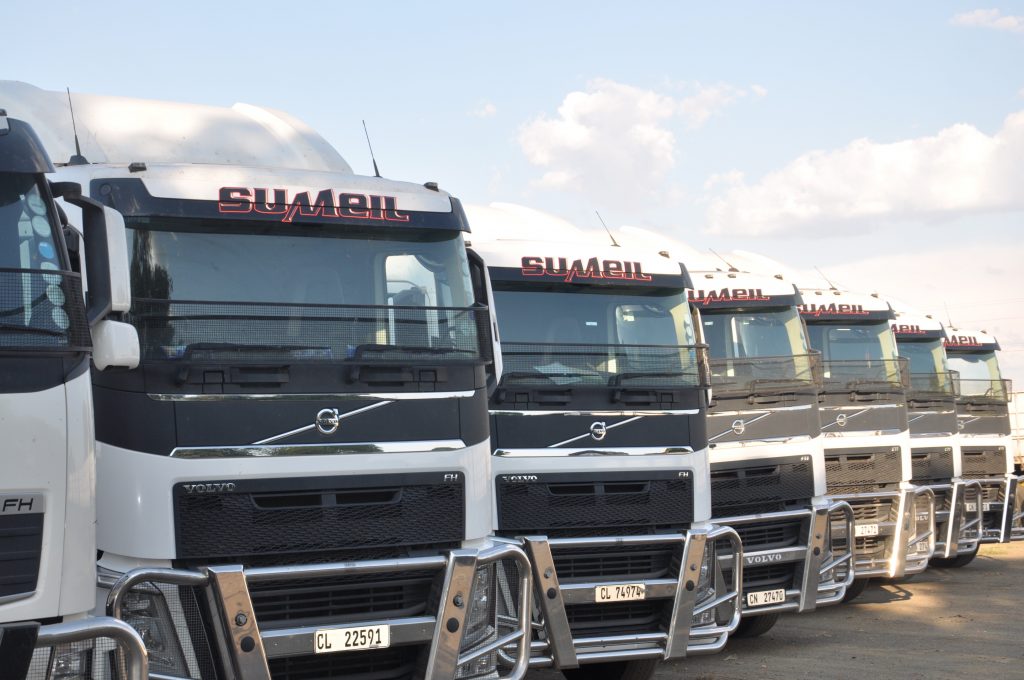
As South Africa’s summer planting season begins, large volumes of seed, fertiliser and other agricultural inputs need to move from suppliers and distribution centres to farms.
For farmers, the focus is naturally on what happens in the field.
But before planting can begin, those inputs need to arrive at the right place and at the right time.
This makes fertiliser transport an important part of the planting operation — particularly in major summer crop regions such as the Free State, where weather can quickly turn a planned planting date into an immediate opportunity.
Good transport planning helps make sure farmers are ready when that opportunity arrives.
Why fertiliser transport becomes critical during planting season
Agricultural logistics is highly seasonal.
Demand for transport can increase rapidly when farmers across a region begin preparing and planting at roughly the same time.
Unlike many scheduled commercial deliveries, agricultural demand is also influenced by weather.
A farmer may have an approximate planting date in mind, but rainfall and soil conditions ultimately determine when work can begin.
Once sufficient rain has fallen, delays become much more costly.
If fertiliser is still waiting at a depot when conditions in the field are ready, the problem is no longer simply a late delivery. It can affect planting schedules, machinery utilisation and the wider farming operation.
That is why fertiliser transport should be arranged as part of planting preparation rather than treated as something to organise at the last moment.
Plan volumes before transport becomes urgent
One of the simplest ways to improve agricultural transport is to give the transporter accurate information as early as possible.
Before arranging a fertiliser load, it helps to confirm:
- The type of fertiliser being transported
- Whether it is bulk, bagged or palletised
- The approximate weight and volume
- Collection and delivery locations
- Access conditions at the farm
- Loading and offloading requirements
- The required delivery period
- Any product-specific transport or handling requirements
This information helps determine which vehicle and trailer are most appropriate for the job.
It also makes route and load planning easier.
During busy periods, having these details available beforehand can reduce the amount of last-minute coordination needed when the load needs to move.
Bulk and packaged fertiliser require different transport solutions
Not every fertiliser load should be handled in the same way.
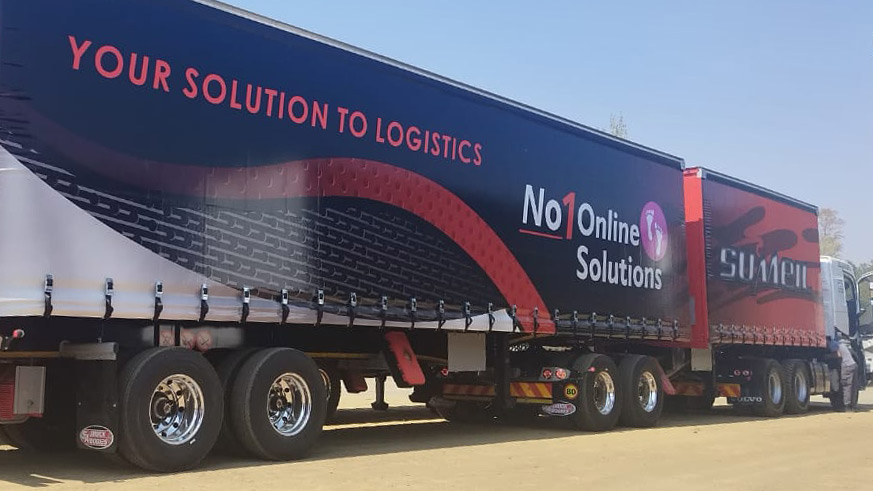
Packaged or palletised agricultural inputs may be well suited to enclosed or curtain-sided trailers such as tautliners. These provide convenient access during loading and unloading while helping protect the load during transport.
Loose bulk agricultural products may require a different trailer configuration depending on the material, loading facilities and destination.
Choosing the correct trailer is therefore about more than simply finding enough carrying capacity.
The transporter needs to understand what is being moved and how it will be loaded and discharged.
Matching the equipment to the load reduces unnecessary handling and makes the entire delivery more efficient.
Farm access should be considered before the truck arrives
One of the most overlooked parts of agricultural transport is what happens after the truck leaves the main road.
Farm roads and loading areas can be very different from conventional commercial delivery sites.
Access can become particularly difficult after summer rain.
Soft surfaces, narrow gates, limited turning space, low branches and poorly positioned loading areas can all create problems for large vehicles.
Farmers and transporters should therefore discuss site access before delivery.
Useful information includes whether:
- A truck and trailer can turn safely at the delivery point
- Access roads are suitable for heavy vehicles
- Rain has affected road conditions
- There are height or width restrictions
- Other machinery will be operating in the same area
- The truck needs to reverse into the unloading position
A few minutes of planning can prevent a vehicle from reaching the farm only to discover that it cannot safely reach the intended delivery point.
Rain changes more than the planting schedule
Rain is essential for planting, but it can also complicate transport.
The same rainfall event that creates favourable soil conditions can make gravel roads, farm entrances and loading areas difficult for heavy trucks.
This creates an unusual challenge during planting season.
The moment when farmers most urgently need inputs can also be the moment when transport conditions become more difficult.
Communication becomes particularly important during these periods.
If access conditions have changed after heavy rain, the transporter should know before dispatching the vehicle.
Alternative delivery points or timing may sometimes be more practical than attempting to move a heavily loaded vehicle into unsuitable conditions.
Avoid waiting until the planting window opens
There is a natural tendency to delay some decisions until there is greater certainty about rainfall.
That makes sense from a farming perspective.
From a logistics perspective, however, waiting until everyone needs transport at once can create unnecessary pressure.
Transport capacity is not unlimited.
During peak agricultural periods, trucks may already be committed to other farms, suppliers and routes.
Farmers do not necessarily need to know the exact planting day weeks in advance.
But discussing likely volumes, routes and delivery windows with transport providers ahead of time makes it much easier to respond once conditions change.
Early planning creates flexibility.
Last-minute planning removes it.
Protecting the load during transport
Fertiliser is a valuable agricultural input and needs to reach the farm in suitable condition.
Packaging should remain secure during transport and loads need to be properly positioned and restrained.
Protection from moisture is also important for many fertiliser products.
The exact transport requirements depend on the product being moved.
Some fertiliser products may also have specific classification, handling, documentation or safety requirements. These should be confirmed from the product documentation and applicable transport requirements before the load is moved.
Transport planning should therefore start with a clear understanding of the material rather than assuming that every fertiliser load can be handled identically.
Efficient deliveries help the whole planting operation
Transport efficiency is not only about how quickly a truck travels between two locations.
The full journey includes loading, travel, farm access, unloading and returning the vehicle to service.
Delays at any of these points affect turnaround time.
A truck waiting several hours because unloading equipment is unavailable is no longer available for the next load.
During peak planting periods, small inefficiencies can therefore spread through an entire transport schedule.
Farmers and suppliers can help improve turnaround by ensuring that:
- Delivery instructions are clear
- Someone is available to receive the load
- The unloading area is accessible
- Required equipment is ready
- Documentation is prepared
- Changes are communicated early
The smoother each delivery becomes, the more efficiently transport capacity can be used throughout the season.
Agricultural transport does not stop with fertiliser
Fertiliser is only one part of the movement that takes place during planting season.
Seed, animal feed, equipment, spare parts and other agricultural supplies continue moving at the same time.
Livestock transport also continues regardless of planting schedules.
This is why October and November can become demanding months for agricultural logistics businesses.
Multiple parts of the agricultural supply chain are moving simultaneously.
A transport partner therefore needs more than trucks.
It needs an understanding of agricultural timing, suitable equipment and the ability to adapt when weather or farm conditions change.
Good planting starts before the planter enters the field
Successful planting depends on many decisions made long before seed enters the soil.
Transport is one of them.
Getting fertiliser and other agricultural inputs onto the farm at the right time gives farmers one less variable to manage when suitable planting conditions arrive.
The exact timing will always depend on weather.
Transport planning does not change that.
What it does is ensure that when the weather creates an opportunity, logistics is not the reason that opportunity is missed.
For farmers, agricultural suppliers and agribusinesses moving fertiliser or other agricultural loads during the summer planting season, early communication with the transporter can make the busiest part of the year significantly easier to manage.
Need agricultural transport during planting season?
Sumeil provides agricultural transport solutions for farms and agricultural businesses across South Africa.
Our fleet includes side tippers, tautliners and specialised livestock trailers, allowing us to match different agricultural loads with suitable equipment.
If you are planning fertiliser, agricultural input or other farm transport during the coming season, contact the Sumeil team to discuss your requirements.
Keep Reading

Harvest season in the Free State is one of the most critical periods in South African agriculture. It is also one of the most logistically...
Learn what details livestock and grain transporters need to ensure safe, compliant, and reliable agricultural transport in South Africa.
Efficient on-farm loading saves time and money. Learn practical techniques that reduce truck turnaround times and improve transport efficiency.
