
How Rainfall Affects Harvest Transport Scheduling in the Free State

Harvest season in the Free State is one of the most critical periods in South African agriculture. It is also one of the most logistically sensitive. While yield and timing are often the primary focus for farmers, transport scheduling plays an equally important role in ensuring that harvested grain moves efficiently from farm to silo without unnecessary delays or quality loss.
Rainfall is one of the biggest variables affecting this process. Even small, unexpected weather changes can disrupt transport plans, slow down harvesting operations, and create bottlenecks across the supply chain. Understanding how rainfall influences logistics is essential for farmers, transport operators, and grain handlers working in the region.
Why Rainfall Matters So Much During Harvest
Unlike controlled industrial logistics, agricultural transport is directly exposed to environmental conditions. In the Free State, harvest season often overlaps with late summer rainfall patterns, which can be unpredictable and intense.
When rain occurs during harvest, several issues arise at once:
- fields become inaccessible to machinery
- harvested grain may need to be temporarily stored
- loading operations are delayed
- transport schedules become inconsistent
- silo intake queues increase
Even short periods of rainfall can have a ripple effect across the entire logistics chain.
Field Accessibility and Machinery Delays
One of the first impacts of rainfall is reduced field accessibility. Combine harvesters and loading equipment rely on relatively dry soil conditions to operate efficiently. When fields become wet, machinery movement slows significantly or stops altogether to avoid soil damage and equipment getting stuck.
This immediately affects transport scheduling. Trucks that were planned to load at specific times may arrive only to find harvesting delayed or paused. This leads to idle time, increased fuel costs, and inefficiencies in fleet utilisation.
In some cases, farmers are forced to reshuffle entire daily transport schedules based on overnight or early morning rainfall.
Moisture Content and Grain Quality Concerns
Rainfall during or immediately after harvesting can also increase grain moisture levels. Higher moisture content can affect storage safety and market readiness, requiring additional drying or handling before delivery to silos.
Transport operators need to be aware that:
- grain may require temporary on-farm storage
- additional handling steps may be introduced
- turnaround times may increase at intake points
This creates a mismatch between planned logistics timing and actual delivery readiness.
Silo Queues and Intake Bottlenecks
When rainfall disrupts harvesting across multiple farms in the same region, a common consequence is a surge in simultaneous deliveries once conditions improve.
This leads to:
- long queues at silos
- delayed offloading times
- congestion on key transport routes
- increased pressure on transport fleets
Even if roads are clear after rainfall, the backlog created during wet periods can extend delays for several days.
Proper scheduling and communication between farms and transport operators become essential during these peak congestion periods.
Road Conditions and Rural Accessibility
Rainfall does not only affect fields — rural road infrastructure is also impacted. Gravel roads common in farming areas of the Free State can become slippery, eroded, or partially flooded after heavy rain.
This affects transport in several ways:
- reduced driving speeds for safety
- increased vehicle wear and maintenance
- rerouting of transport paths
- higher risk of delays or breakdowns
Transport operators often need to balance efficiency with safety, especially when moving heavy grain loads under poor road conditions.
The Importance of Flexible Scheduling
Rigid transport schedules rarely work effectively during harvest season in the Free State. Weather variability requires a more adaptive logistics approach.
Flexible scheduling strategies may include:
- buffer time between loading slots
- standby transport capacity
- dynamic route adjustments
- real-time communication between farm and fleet operators
- prioritising high-risk weather windows
Flexibility becomes a key operational advantage during unpredictable rainfall periods.
Communication Between Farmers and Transport Operators
One of the most important but often overlooked aspects of harvest logistics is communication. Weather-related disruptions require fast coordination between all parties involved.
Farmers need to communicate:
- harvesting progress updates
- field accessibility conditions
- expected delays due to rainfall
Transport operators need to respond with:
- adjusted arrival times
- alternative loading plans
- fleet reallocation where necessary
When communication is strong, the impact of rainfall on logistics can be significantly reduced.
Planning Ahead for Weather Variability
While rainfall cannot be controlled, its impact on transport scheduling can be managed with better planning. Many experienced operators in the Free State build weather variability into their harvest logistics models.
Key planning considerations include:
- monitoring weather forecasts closely during harvest season
- scheduling high-priority loads earlier in the day
- avoiding overcommitment of transport capacity
- preparing contingency routes and backup loading plans
This proactive approach reduces downtime and improves overall efficiency.
Conclusion
Rainfall is one of the most influential factors in harvest transport scheduling in the Free State. Its effects extend far beyond simple delays, impacting field operations, grain quality, transport efficiency, and supply chain flow.
Successful harvest logistics depend on flexibility, communication, and realistic planning that accounts for weather uncertainty. Farmers and transport operators who anticipate these challenges are better positioned to reduce disruption and maintain consistent movement of grain throughout the harvest season.
In a region where timing is critical, understanding and adapting to rainfall patterns is not just helpful — it is essential for efficient agricultural logistics.
Keep Reading
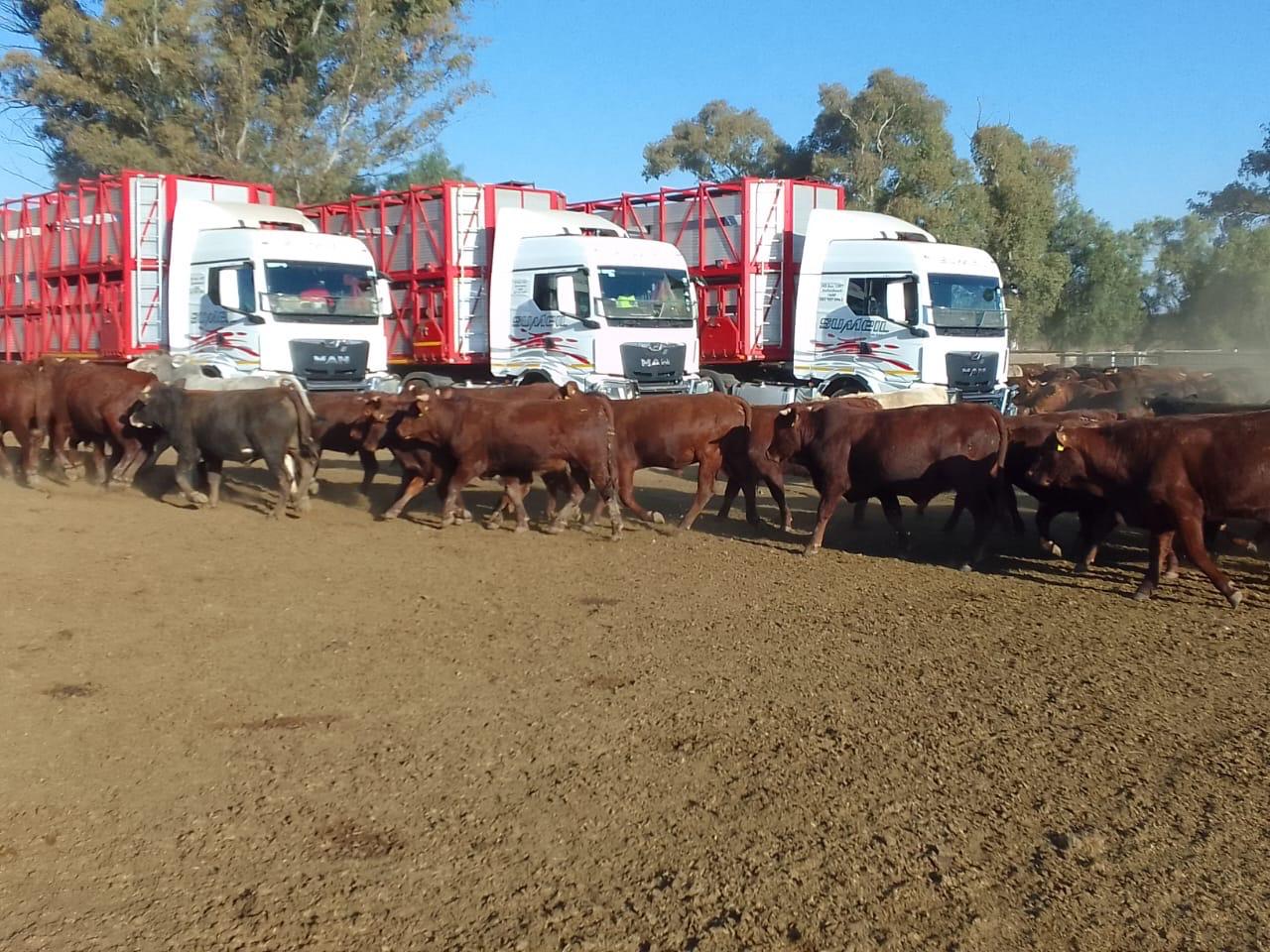
Planning cattle transport in South Africa? Learn which permits, declarations and livestock movement documents may be required before moving cattle between farms, auctions and abattoirs.
Delayed agricultural transport can quietly reduce profits through storage pressure, quality loss, and missed market windows. Learn how better timing protects margins.

Winter is the ideal time to inspect and service agricultural trailers. Learn how preventative maintenance improves safety, reduces costly breakdowns and keeps your fleet ready for the next harvest.
