
Grain Transport Done Right: How Sumeil Maintains Maize Quality from Farm to Silo

Introduction: Grain Transport as the Unsung Hero of Agriculture
Every season, millions of tons of maize and wheat move across South Africa’s highways from farms to silos, mills, and buyers. Yet, while much attention goes to planting, harvesting, and pricing, one key part of the supply chain is often overlooked: transport.
The way grain is handled in transit has a direct impact on its value, quality, and safety. Poor transport can lead to contamination, spoilage, and even rejection at delivery points.
At Sumeil (Pty) Ltd, we’ve built our business on doing grain transport right. From clean trailers to smart scheduling, we believe that quality logistics protect grain—and ultimately, your bottom line.
In this article, we’ll share how grain transport affects crop quality, what best practices we follow, and why Sumeil is trusted by farmers and agri-buyers alike.
The Stakes: Why Grain Transport Quality Matters
Grain may look dry and durable, but it’s surprisingly vulnerable during transit. Here’s what can go wrong:
🌧️ Moisture Exposure
Rain or high humidity can elevate moisture levels, leading to:
- Mould or fungus growth
- Reduced germination rate (for seed maize)
- Lower resale value or rejection at delivery
🐜 Contamination
Without proper cleaning, trailers may carry:
- Insect larvae
- Animal droppings
- Residue from fertilisers or chemicals
🔄 Cross-contamination
Transporting livestock or chemical products in the same trailer—even with a wash—can taint a clean grain load.
🌡️ Heat Buildup
Grain can “sweat” during transit in warm conditions, especially if piled thickly in enclosed or unventilated spaces. This encourages fungal growth and moisture migration.
⚠️ Physical Damage
Aggressive handling, rough roads, or improper tipping can lead to:
- Kernel breakage
- Dust fines (which reduce load weight)
- Loss of volume or quality grade
Sumeil’s Transport System: Designed for Clean, Safe Grain
Sumeil specialises in grain and livestock transport across the Free State, Northern Cape, and surrounding provinces. We understand the importance of grain quality from harvest to delivery—and have designed our process around protecting it.
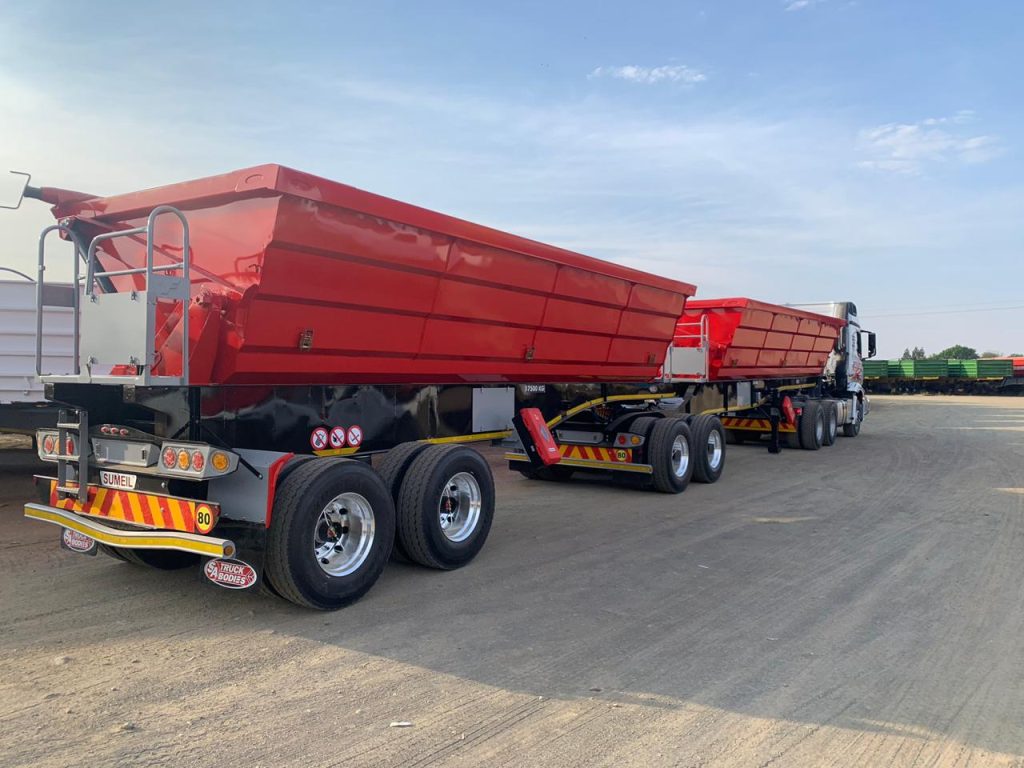
Here’s how we do it:
1. Purpose-Built Tipper Trailers
Our fleet includes agriculture-grade tipper trailers built specifically for maize, wheat, and other grains. Key features:
- Smooth interior panels to reduce grain sticking or residue buildup
- Covered or tarped top-loading to protect against unexpected rain or dust
- Rear tipping systems to control the flow of grain when unloading
- Hatch cleaning points for easy wash-down between trips
This makes it easier to load, protect, and unload grain with minimal handling risk.
2. Trailer Hygiene & Load Integrity
Between every grain load, we conduct a full inspection and clean-out of the trailer. This includes:
- Removing leftover grain particles (a common source of spoilage)
- Sweeping and washing out trailers after livestock transport
- Ensuring no trace residues from previous chemical or industrial loads
This matters because even a small trace of contamination can spoil an entire batch or lead to compliance issues at delivery sites.
3. Pre-Trip Moisture Checks
Moisture is one of the most common causes of grain rejection. Sumeil takes this seriously by:
- Inspecting grain before loading, especially after recent rainfall
- Checking tarps for waterproof integrity
- Training drivers to report any signs of spoilage or wet grain smell
- Advising clients on harvest-day best practices to minimise loading damp grain
We also work closely with silos and grain depots to align with moisture testing protocols so that deliveries meet quality requirements.
4. Smart Scheduling & Short Haul Turnarounds
We understand that time is quality when it comes to grain.
- We prioritise direct delivery schedules that reduce delays.
- Short-haul routes are optimised for same-day delivery, limiting exposure.
- Where longer trips are needed, we ensure appropriate staging points and reduce risks like offloading bottlenecks.
By aligning our route planning with client timelines, we protect against:
- Spoilage during long delays
- Queuing in hot weather at silos
- Missed delivery windows
5. Driver Training & Grain Handling Protocols
Our drivers are not just hauliers—they’re trained in agricultural logistics. This includes:
- Understanding how to handle grain with care
- Minimising jolts, swerves, or sudden braking on dirt roads
- Performing regular inspections of trailer seals and tarps
- Communicating proactively with clients and delivery points
The result? More professional, reliable service with fewer claims and cleaner deliveries.
6. Flexible, Client-First Solutions
Every grain operation is different. Sumeil offers:
- On-farm loading for direct-from-harvest delivery
- Co-op and silo delivery coordination
- Flexible repeat contracts or once-off seasonal bookings
- Optional split loads or multi-drop routes
We adapt to your needs—without compromising the integrity of the grain in transit.
Grain Transport in the Real World: A Free State Case Study
In 2024, a large-scale maize producer in the Free State partnered with Sumeil for peak-season haulage to three regional silos. Challenges included:
- Rain during key harvest weeks
- High volume (over 1,200 tons in two weeks)
- Strict moisture and purity tests at all silos
Our response:
- Deployed 3 clean tipper trailers daily on rotation
- Implemented double tarp systems on rain-forecast days
- Coordinated offload appointments to avoid queueing in wet conditions
- Performed mid-week trailer inspections to check for residue
Results:
- Zero rejected loads
- 98.5% delivery punctuality
- Lower transport-related spoilage than the prior season
- Renewed contract for 2025
Common Transport Mistakes to Avoid (And How Sumeil Prevents Them)
| Mistake | Result | How We Prevent It |
| Using unclean trailers | Contamination & spoilage | Every trailer cleaned & inspected before grain load |
| Uncovered loads | Rain damage or dust | All trailers fitted with secure tarps |
| Delayed deliveries | Moisture buildup & heat | Efficient scheduling & prompt delivery |
| Mixed-use trailers | Chemical or livestock cross-contamination | Segregated trailer assignments & deep cleans |
| Poor driver practices | Physical grain damage | Driver training & route planning |
Looking Ahead: Smarter, Safer Grain Transport for South Africa
As South African agriculture evolves, so must its logistics. At Sumeil, we’re committed to:
- Expanding our fleet capacity to serve more regions
- Exploring GPS tracking and load monitoring tools
- Building stronger ties with grain buyers and silos for seamless coordination
- Helping farmers protect their crop quality and get the best price at market
We believe that safe, clean, professional transport isn’t a luxury—it’s an essential part of successful farming.
Conclusion: Quality Grain Deserves Quality Delivery
Maize and wheat growers put months of work into their crops. Don’t let poor transport undo that effort.
With Sumeil as your logistics partner, you get:
- Specialised trailers
- Clean and safe grain handling
- Professional drivers
- Timely, coordinated delivery
We don’t just deliver grain—we protect its value.
Ready to book seasonal grain transport or learn more about our fleet?
Contact Sumeil today or request a callback to discuss how we can support your next harvest.
Keep Reading
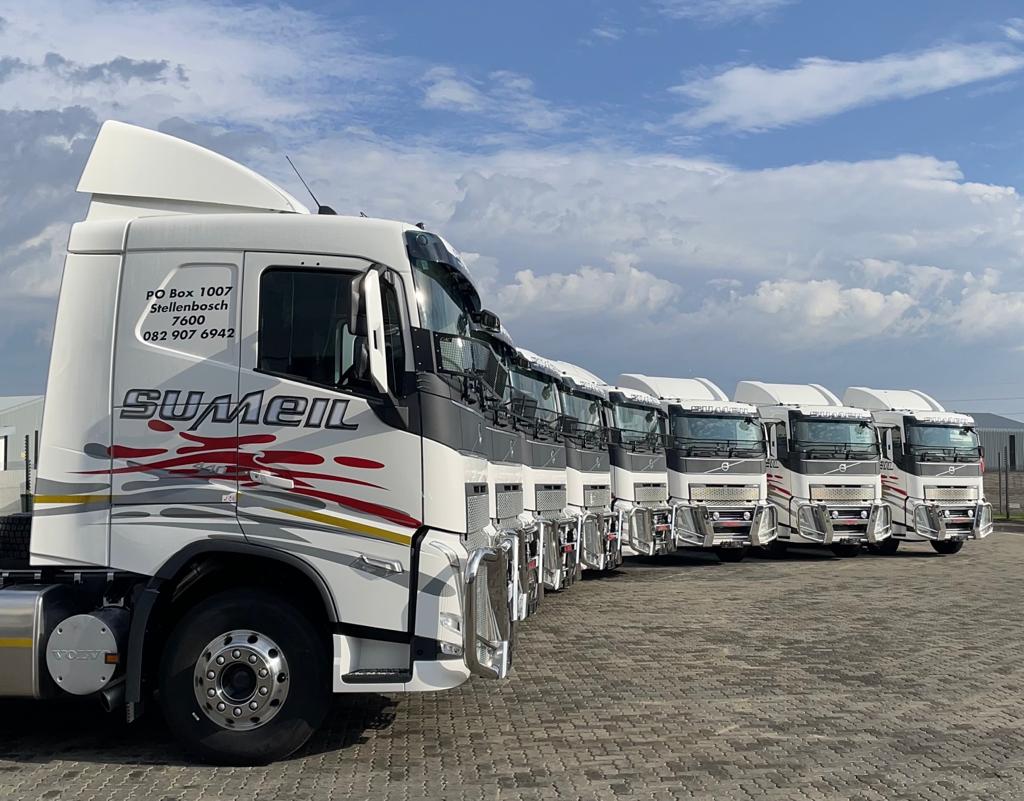
Discover how Sumeil delivers tailored transport solutions for South African farmers — from side tipper trailers to livestock welfare — with year-round reliability and nationwide reach.
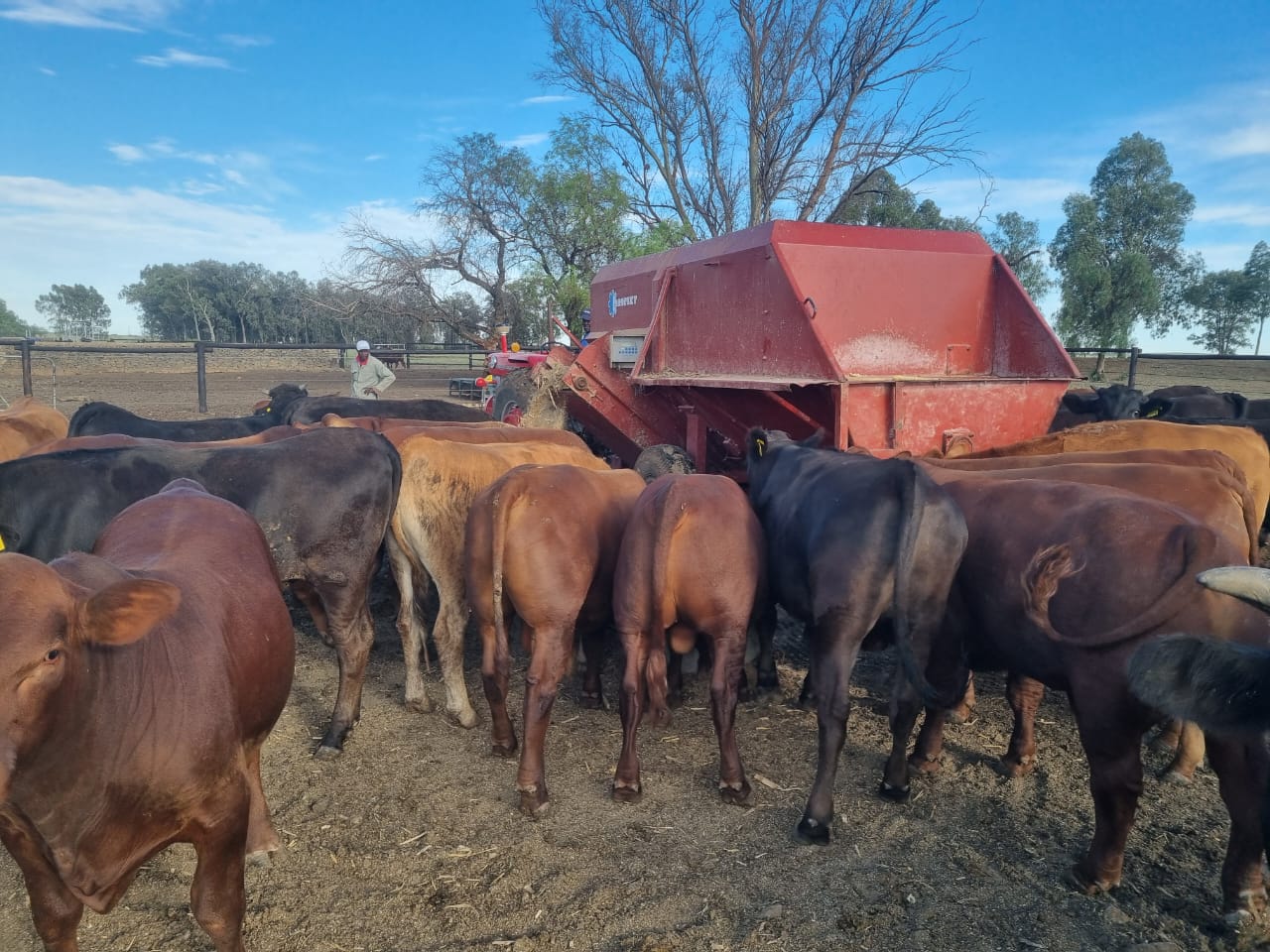
Explore the impact of Foot and Mouth Disease on livestock transport in South Africa. Learn about restrictions, biosecurity measures, and trade challenges in 2025.

Avoid costly delays and breakdowns with these 10 common agricultural transport mistakes. Practical tips to improve efficiency during harvest.
