
Preparing for Harvest Transport: A Practical Guide

Harvest is where transport either works seamlessly — or becomes the biggest bottleneck on the farm.
And in most cases, the problem doesn’t start during harvest.
It starts weeks before, with:
- late planning
- poor coordination
- unrealistic assumptions about availability and timing
In peak season, small inefficiencies multiply quickly:
- trucks wait longer
- queues build up
- costs increase
- and harvest slows down
This guide breaks down how to prepare for harvest transport properly, reduce delays, and keep grain moving efficiently from field to silo.
1. Understand the Pressure Window
In summer rainfall regions, harvest creates a sharp spike in transport demand:
- maize and soya come off within a short timeframe
- many farms need trucks at the same time
- silos operate near capacity
The result:
- limited truck availability
- longer turnaround times
- rising transport costs
Transport shifts from being a support function to a critical constraint
2. Book Transport Earlier Than You Think
One of the most common mistakes is waiting until harvest begins to secure trucks.
By then:
- reliable transporters are already committed
- flexibility is limited
- urgent loads cost more
Practical approach:
- confirm expected harvest window early
- communicate estimated volumes
- secure transport capacity in advance
Even if exact dates shift slightly, having priority access to trucks makes a significant difference.
3. Match the Right Trailer to the Job
During harvest, trailer choice directly affects efficiency.
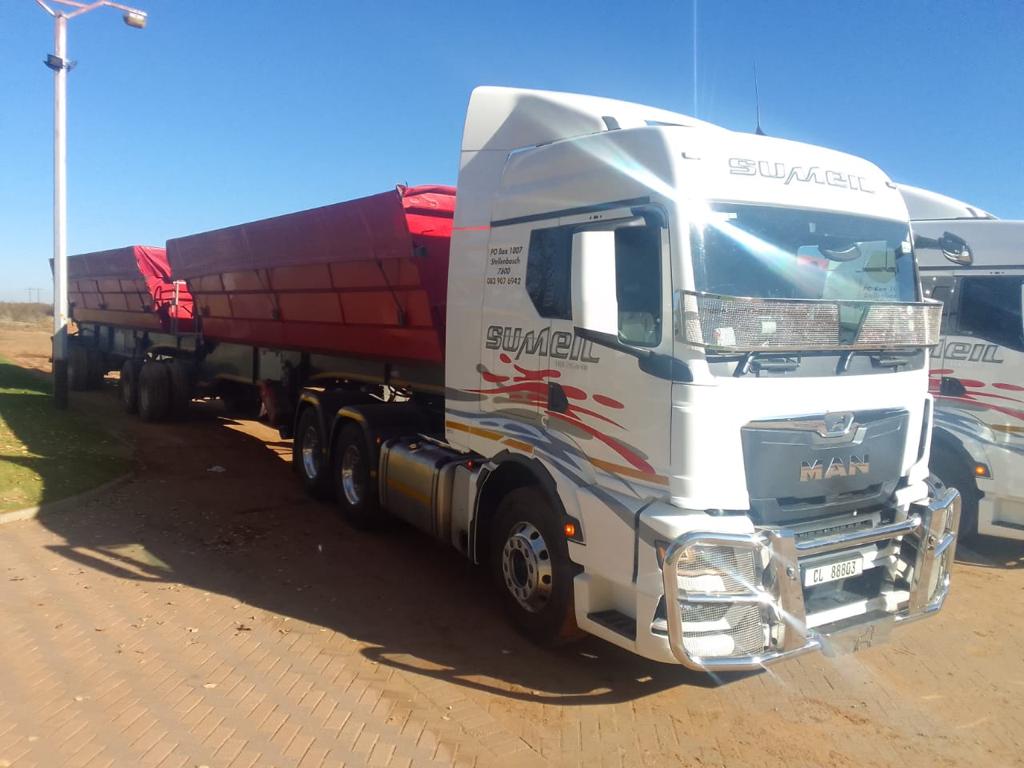
Side tipper trailers (primary for grain)
Best suited for:
- bulk maize and soya
- fast loading and offloading
- high-volume movement
Advantages:
- quick tipping at silos
- minimal manual handling
- high throughput per day
This is the backbone of grain transport during harvest.
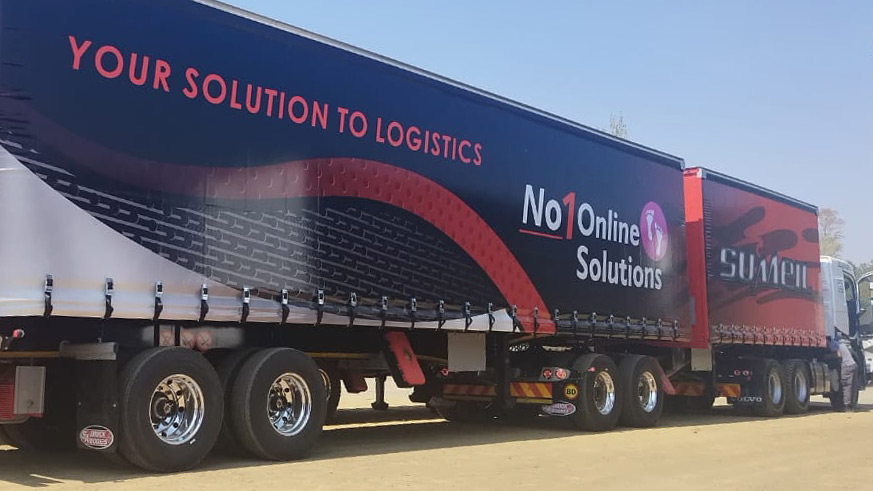
Tautliner trailers (support role)
Used for:
- bagged products
- seed and fertiliser movement
- protected loads
During harvest, tautliners are often used in parallel operations rather than core grain movement.
Key takeaway:
Using the wrong trailer type creates unnecessary delays and handling inefficiencies.
4. Reduce On-Farm Delays (Biggest Hidden Problem)
Even with good transport, farms often create their own bottlenecks.
Common issues:
- trucks waiting for loads
- slow loading processes
- poor field access
- lack of coordination between combine and transport
Practical improvements:
1. Align harvesting and transport pace
- avoid harvesting faster than you can move grain
- ensure trucks are available when loads are ready
2. Improve loading efficiency
- minimise loading time per truck
- ensure equipment is ready and functional
- reduce unnecessary movement on site
3. Plan access routes
- ensure trucks can move easily in and out
- avoid delays caused by poor road conditions
Every extra hour a truck waits is lost productivity — and increased cost.
5. Plan for Silo Delays
During peak harvest:
- silos become congested
- queues increase
- turnaround times extend
A trip that normally takes a few hours can take significantly longer.
How to manage this:
1. Stagger deliveries where possible
- avoid peak intake times
- plan around known congestion periods
2. Build flexibility into schedules
- don’t assume fixed turnaround times
- expect variability
3. Consider alternative delivery points
- if available, this can reduce waiting time
Silo delays are unavoidable — but they can be managed.
6. Factor in Weather and Timing Risk
Harvest timing is not always predictable.
Risks include:
- late rains
- high moisture levels
- sudden harvest surges
These create:
- short windows of intense demand
- last-minute transport pressure
Practical approach:
- avoid relying on a single fixed schedule
- communicate changes early
- work with transporters who can adapt
7. Control Transport Costs During Peak Season
Transport costs tend to rise during harvest due to:
- increased demand
- longer turnaround times
- reduced daily load cycles
Ways to manage costs:
1. Reduce idle time
- keep trucks moving
- avoid unnecessary waiting
2. Maximise load efficiency
- ensure full loads where possible
- avoid partial trips
3. Plan ahead
- early planning often means better rates
- last-minute bookings are typically more expensive
Cost control is not just about rates — it’s about efficiency.
8. Communication Is Critical
Many transport issues come down to poor communication.
Key areas to manage:
- harvest timing updates
- load readiness
- delivery scheduling
- unexpected delays
Clear communication between:
- farmer
- transport provider
- silo
…keeps operations running smoothly.
9. A Simple Harvest Transport Checklist
Before harvest begins, make sure you have:
- Transport booked or confirmed
- Estimated volumes calculated
- Trailer types aligned with your needs
- Loading systems ready and efficient
- Access routes prepared
- Silo delivery plan in place
- Contingency for delays
Final Thought
Harvest transport doesn’t fail because of one big issue.
It fails because of:
- small delays
- poor timing
- lack of planning
The farms that move grain efficiently are not necessarily the ones with the most resources — they’re the ones that plan ahead, coordinate properly, and keep operations moving.
Transport is not just logistics during harvest — it’s part of your production system.
Keep Reading
Learn what details livestock and grain transporters need to ensure safe, compliant, and reliable agricultural transport in South Africa.
Choosing the right transport partner can make or break your harvest or herd. Here are five essential questions farmers should ask, from compliance to care.
Transport is often the last step in the grain supply chain, but it is one of the most critical. A successful harvest loses value if...
