
Understanding Legal Weight Limits in South African Transport
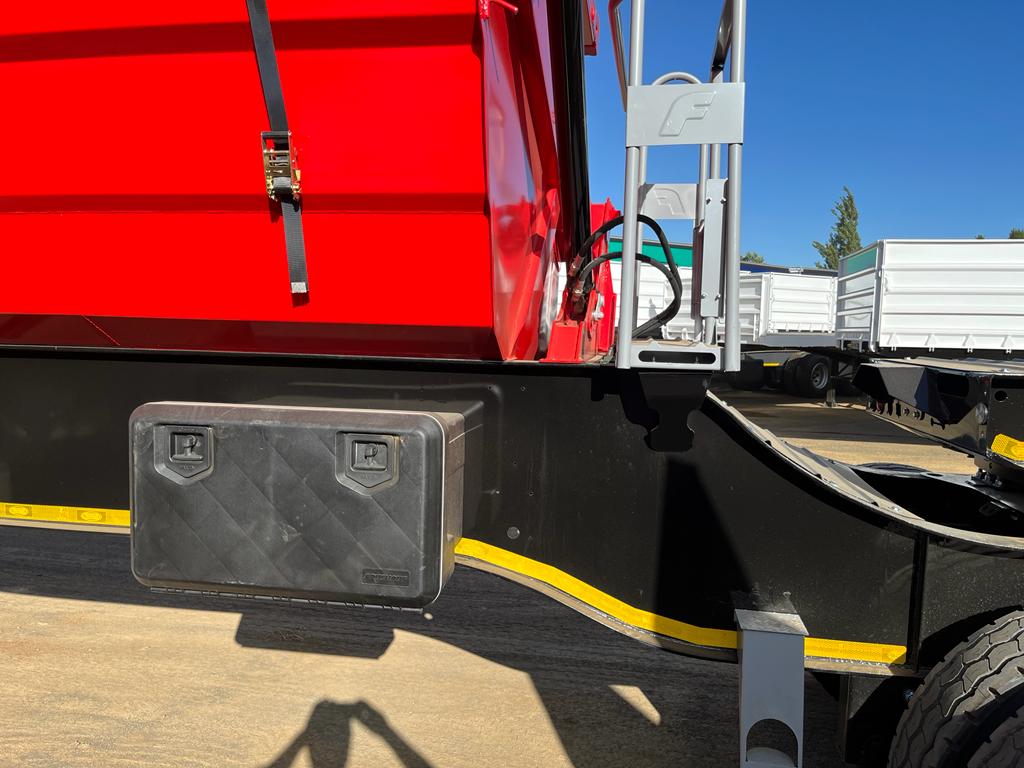
Legal weight limits are one of the most misunderstood — and most costly — aspects of road transport in South Africa. For clients, weight limits often feel like a transporter’s problem. In reality, non-compliance affects everyone in the supply chain, from the farmer or supplier to the transporter and receiver.
This article is a practical explainer, written for clients and operators who want to understand what legal weight limits are, why they matter, and how professional transporters manage them in real-world conditions.
What Are Legal Weight Limits?
Legal weight limits regulate how much mass a vehicle may legally carry on public roads. These limits are set to:
- Protect road infrastructure
- Improve road safety
- Ensure fair competition in the transport industry
- Reduce excessive wear on vehicles
In South Africa, weight limits are governed by the National Road Traffic Act and its regulations. Enforcement is carried out through weighbridges, roadside inspections, and mobile enforcement units.
Gross Vehicle Mass vs Gross Combination Mass
Two terms are especially important:
- Gross Vehicle Mass (GVM): The maximum legal mass of a single vehicle, including the vehicle itself, fuel, driver, and payload.
- Gross Combination Mass (GCM): The maximum legal mass of the truck and all trailers combined.
Exceeding either limit is an offence, even if individual axles appear to be within tolerance.
Axle Load Limits: Where Most Problems Occur
While total mass is important, axle loads are the most common reason vehicles are fined or stopped.
Different axle configurations have specific limits. Overloading a single axle — even if total mass seems acceptable — can still result in penalties.
Common causes of axle overload include:
- Uneven loading of bulk products
- Incorrect positioning of payload in tipper trailers
- Inaccurate assumptions about material density
- Partial loads that shift during transport
Professional operators account for axle distribution, not just total tonnage.
Why Weight Limits Matter to Clients
Many clients assume overloading only affects the transporter. In practice, it creates broader risks:
1. Delivery Delays
Overloaded vehicles are more likely to be stopped at weighbridges, delayed, or turned back. This directly affects delivery timelines.
2. Fines and Disputes
While fines are issued to drivers or operators, disputes often arise between clients and transporters over responsibility and costs.
3. Safety Risks
Overloaded vehicles:
- Take longer to stop
- Handle poorly in emergency situations
- Increase the risk of tyre and brake failure
4. Vehicle and Road Damage
Excessive loads accelerate wear on suspensions, tyres, and road surfaces, increasing long-term costs across the industry.
How Professional Transporters Manage Legal Weights
Reputable haulage operators treat compliance as part of their operational discipline, not an inconvenience.
Accurate Load Planning
Experienced operators understand material densities, trailer capacities, and axle distribution. Loads are planned before loading begins, not corrected afterward.
Weighbridge Verification
Professional transporters use certified weighbridges to confirm compliance before or during trips, reducing the risk of roadside penalties.
Driver Training
Drivers are trained to recognise warning signs of overloading and to refuse unsafe or illegal loads.
Equipment Selection
Using the correct trailer configuration for the cargo — such as appropriate tipper trailers for bulk materials — plays a key role in staying compliant.
Common Misconceptions About Weight Limits
“Everyone overloads a little”
Enforcement has become more consistent, and tolerances are narrower than many assume. Regular overloading is no longer a viable strategy.
“If it fits, it’s legal”
Volume does not equal mass. High-density materials can exceed legal limits well before a trailer looks full.
“It’s the driver’s responsibility”
While drivers are fined at the roadside, responsibility often extends to operators and, in some cases, loading practices at the point of origin.
Weight Compliance as Risk Management
From a business perspective, legal weight compliance is about reducing risk, not limiting productivity.
Compliant transport operations benefit from:
- Fewer delays and disruptions
- Lower maintenance and repair costs
- Improved safety records
- Stronger relationships with clients and authorities
Over time, these advantages outweigh the perceived gains of carrying marginally heavier loads.
What Clients Should Expect From a Professional Haulier
Clients working with professional transport companies should expect:
- Clear communication about legal limits
- Transparent load planning
- Refusal to carry unsafe or illegal loads
- Consistent compliance across trips
This protects not only the transporter, but the client’s goods, reputation, and timelines.
Final Thoughts
Understanding legal weight limits is not just a technical exercise — it is a critical part of responsible transport and logistics in South Africa.
For clients, working with compliant transporters reduces risk and improves reliability. For operators, compliance protects assets, drivers, and long-term viability.
In an industry where margins are tight and conditions are challenging, doing things properly is not a weakness — it is a competitive advantage.
Keep Reading

Harvest season in the Free State is one of the most critical periods in South African agriculture. It is also one of the most logistically...
A complete year-end fleet inspection checklist for tautliners, tipper trailers and livestock trailers. Improve safety, reduce downtime, and keep your transport fleet road-ready.

Winter is the ideal time to inspect and service agricultural trailers. Learn how preventative maintenance improves safety, reduces costly breakdowns and keeps your fleet ready for the next harvest.
