
Tautliner Trailers: Uses, Design Advantages, and What to Look for Before You Buy
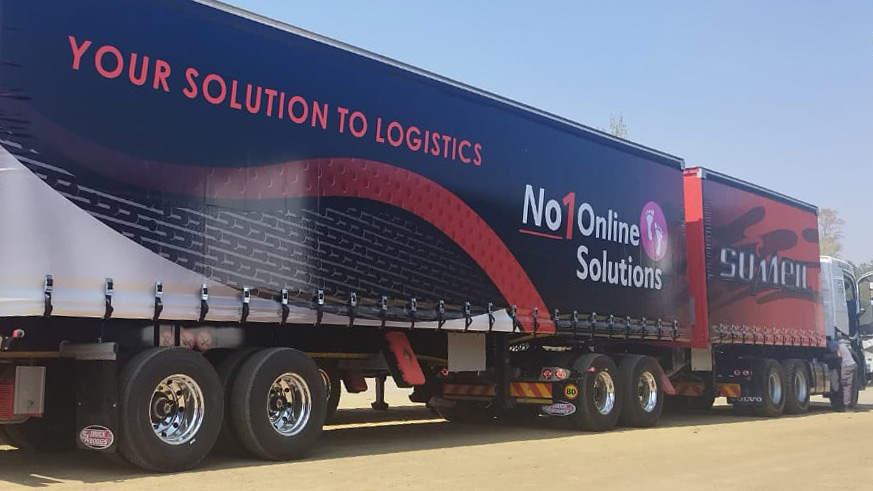
Tautliner trailers are one of the most versatile and widely used trailer types in modern road freight. Whether you’re an owner-driver, fleet manager, logistics coordinator, or procurement decision-maker, understanding how they’re built and why they perform so well in general cargo transport can help you make better operational and investment decisions.
This guide explains what tautliners are, where they excel, and what to evaluate before purchasing or operating one.
What Is a Tautliner Trailer?
A tautliner (also called a curtain-side trailer) is a flatbed trailer fitted with a reinforced sliding curtain system instead of rigid side walls. The curtain is tensioned tightly — hence “taut” — to protect cargo from weather while allowing rapid side access for loading and offloading.
Unlike enclosed box trailers, tautliners offer:
- Side loading with forklifts
- Rear loading through barn doors
- Top loading (if roof system allows)
- Faster turnaround times
They are commonly used for palletised goods, building materials, FMCG products, agricultural inputs, and general freight.
Why Tautliners Are Built the Way They Are
Every design feature serves a functional purpose.
1. Sliding Curtain System
The reinforced PVC curtain is supported by vertical straps and tensioning buckles.
Purpose:
- Weather protection
- Easy side access
- Reduced loading time
- Flexible cargo access
Modern curtains are tear-resistant and UV-stabilised for durability in harsh climates.
2. Internal Strapping and Load Restraint Systems
Tautliners are equipped with:
- Ratchet straps
- Load rails
- Buckles
- Sometimes internal cargo tracking rails
Purpose:
- Secure palletised loads
- Prevent load shift
- Improve road safety compliance
Load restraint is critical for legal compliance and insurance.
3. Strong Chassis Construction
Most tautliners are built on a reinforced steel chassis designed to handle high payload capacity and long-distance haulage.
Purpose:
- Structural rigidity
- Even weight distribution
- Longevity under heavy-duty use
4. Roof Systems
Some tautliners include sliding or lifting roof mechanisms.
Purpose:
- Allow crane loading
- Enable oversized cargo transport
- Improve versatility
Common Uses of Tautliner Trailers
Tautliners are preferred in sectors that require frequent loading and unloading:
- Retail distribution
- Construction materials
- Agricultural supplies
- Fast-moving consumer goods
- Cross-border freight
They are particularly popular in regions with diverse terrain and long-haul routes because of their balance between flexibility and protection.
Benefits for Drivers
For drivers, tautliners offer:
- Faster load access
- Easier visual load inspection
- Reduced waiting time at depots
- Simpler curtain repairs compared to rigid panels
However, correct load strapping is essential. Poorly secured loads can shift and compromise safety.
Benefits for Fleet Owners
For operators and fleet managers:
- Improved loading efficiency
- Lower turnaround times
- Multi-industry usability
- Good resale value
- Reduced structural repair costs compared to refrigerated units
Their versatility makes them a practical fleet standard where mixed cargo types are transported.
What to Look for When Buying a Tautliner Trailer
Whether purchasing new or used, pay attention to the following:
1. Curtain Condition
- Check for tears, UV degradation, or stitching failures.
- Inspect tensioning system integrity.
2. Chassis Integrity
- Look for cracks, weld fatigue, corrosion.
- Check alignment and axle wear.
3. Flooring
- Ensure the floor can support forklift traffic.
- Look for warping, soft spots, or delamination.
4. Suspension Type
- Air suspension improves ride quality and cargo protection.
- Mechanical suspension may offer lower maintenance cost.
5. Brake System
- Confirm compliance with local road regulations.
- Check service history.
6. Load Securing Systems
- Ensure sufficient straps and anchor points.
- Inspect ratchets and rails for wear.
Operational Considerations
Maintenance
- Regularly inspect curtain rails and rollers.
- Lubricate sliding components.
- Replace damaged straps immediately.
Compliance
Operators must ensure proper load restraint according to national transport regulations. Non-compliance can result in fines, cargo damage, or liability exposure.
Security
Curtain trailers are easier to access than rigid trailers. Consider:
- Tamper-proof buckles
- Additional cargo locks
- Telematics tracking systems
Are Tautliners Right for Your Business?
Tautliners are ideal if you:
- Move palletised goods
- Require frequent side access
- Operate in mixed freight environments
- Want flexible loading options
They may not be ideal if:
- You transport temperature-controlled goods
- You require high-security cargo containment
- You transport bulk loose materials
Final Thoughts
Tautliner trailers remain one of the most practical and adaptable freight solutions in road transport. Their design balances efficiency, flexibility, and durability — making them suitable for both small operators and large logistics companies.
For transport drivers, they offer ease of use and faster handling. For business owners, they provide operational flexibility and strong return on investment when maintained correctly.
If positioned correctly within your fleet strategy, a tautliner trailer can become one of your most productive assets.
Keep Reading
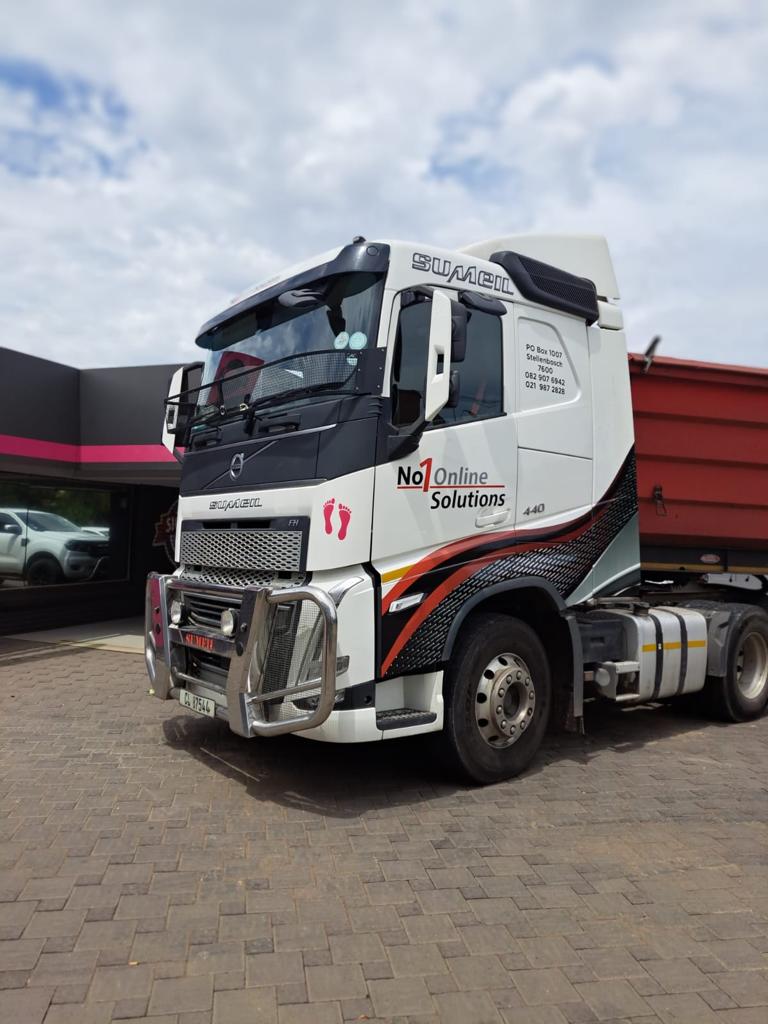
Selecting and maintaining the right trailer is a critical part of efficient farm operations. For many farmers and transport operators, side tippers are indispensable for...

Harvest season in the Free State is one of the most critical periods in South African agriculture. It is also one of the most logistically...
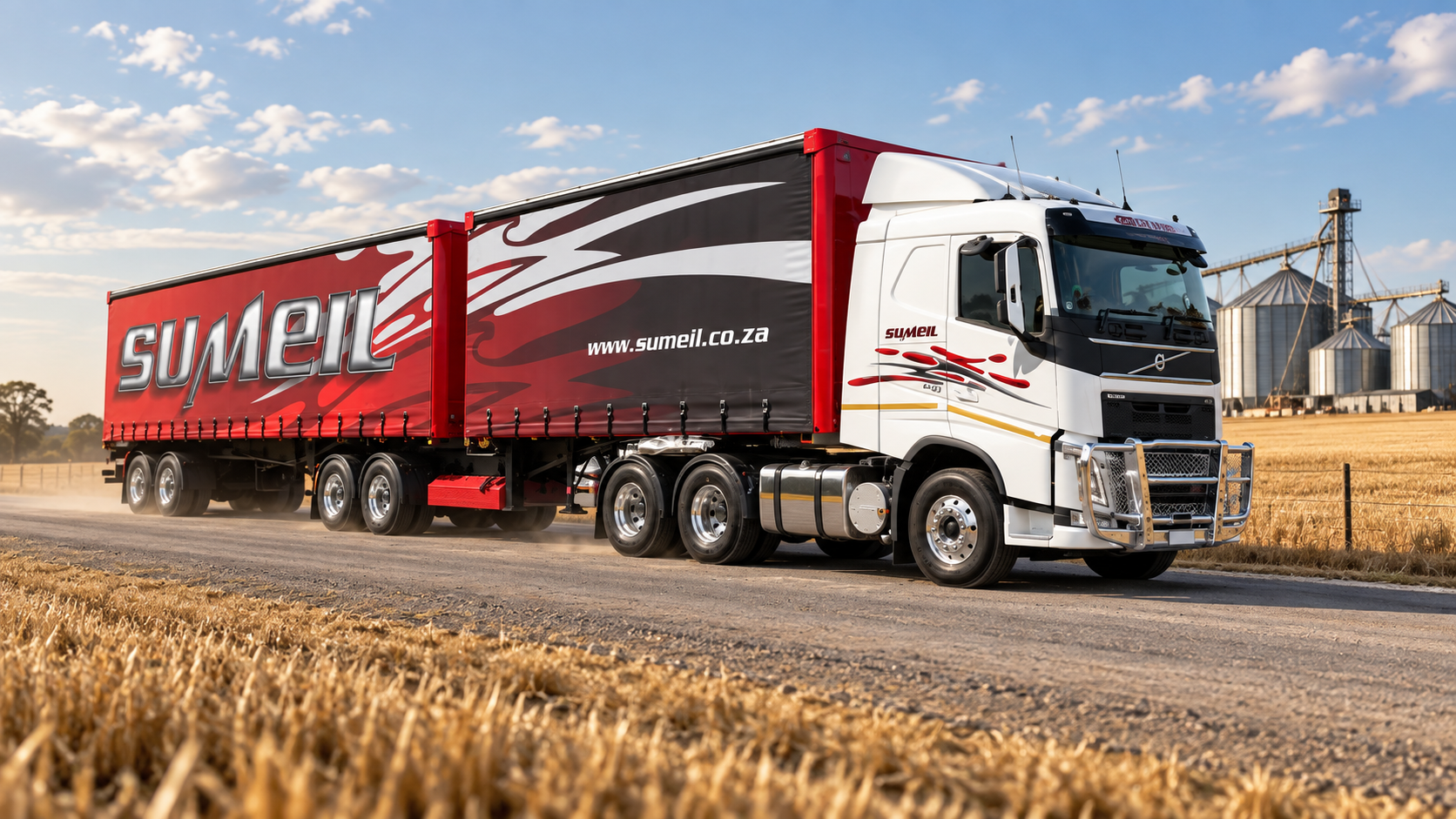
A successful harvest does not end when the crop leaves the field. From the moment grain comes off the combine, another part of the operation...
