
Keeping Harvest Moving: Why Transport Planning Matters Before the First Load
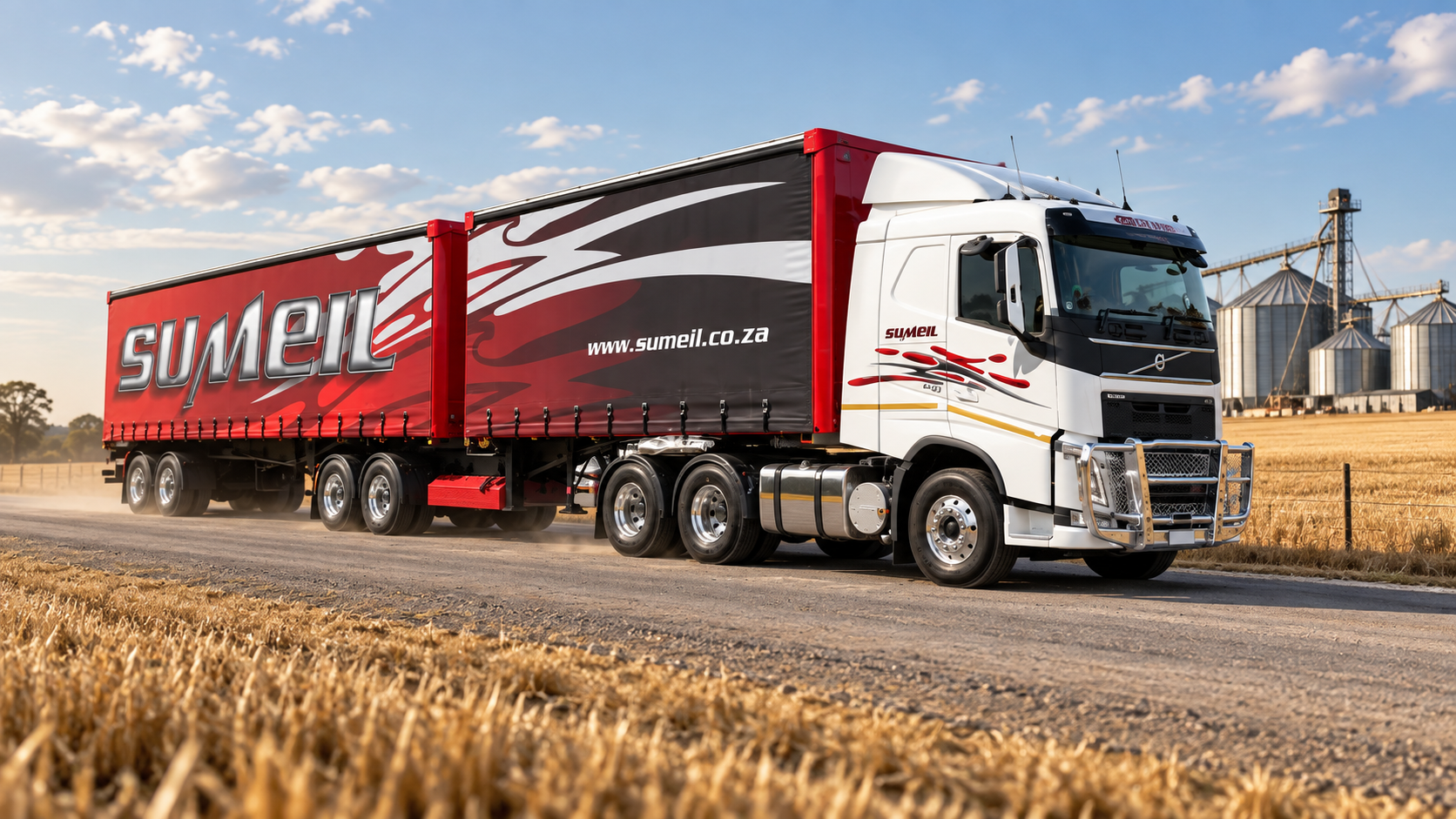
A successful harvest does not end when the crop leaves the field.
From the moment grain comes off the combine, another part of the operation begins: moving it efficiently, safely and reliably to its next destination.
Whether grain is heading directly to a silo, being stored temporarily on the farm or transported further along the supply chain, good transport planning can make the difference between a smooth harvest and one filled with avoidable delays.
When combines are running and crops are ready, nobody wants to be waiting for a truck.
That is why harvest transport needs to be planned before the first load is ready to move.
Harvest creates its own pressure
Agricultural transport is different from many other forms of freight because the timing is often dictated by the crop.
Once harvesting begins, there is pressure to keep moving.
Weather can shorten the available harvesting window. Crops can mature quickly. Machinery and labour are already committed, and unexpected downtime can have a knock-on effect across the entire operation.
If harvested grain cannot be moved away quickly enough, the transport side of the operation can become the bottleneck.
A combine standing because there is nowhere to unload is not producing.
Good logistics therefore needs to keep pace with what is happening in the field.
Start with the destination
Before planning the trucks, it helps to understand where every load is going.
Will the grain be delivered directly to a silo?
Will some of it be stored on the farm first?
Are different crops or grades being delivered to different destinations?
Are there receiving times or delivery requirements that need to be considered?
Knowing the destination allows farmers and transport operators to calculate routes, expected turnaround times and the number of vehicles likely to be required.
It can also highlight potential problems before they become expensive delays.
Turnaround time matters
A truck’s job during harvest is not simply to move from the farm to the silo.
It needs to complete the entire cycle efficiently:
load, travel, unload and return.
A route that looks short on a map can take considerably longer if road conditions are poor or unloading queues are long.
Even relatively small delays begin to matter when the same journey is repeated throughout the day.
This is why transport capacity should be considered in terms of complete turnaround time rather than simply distance.
The faster and more reliably trucks can complete each cycle, the easier it becomes to keep up with the harvesting operation.
Match transport capacity to the harvest
Too little transport capacity can leave machinery waiting.
Too much capacity can leave trucks standing unnecessarily.
The goal is to match available transport closely enough to the expected harvesting rate.
That means considering how quickly the combine is working, how much grain is being produced, the distance to the delivery point and how long unloading is likely to take.
Conditions can change from day to day, so the plan also needs some flexibility.
One field may produce better than expected. Another may take longer to harvest. Rain may stop operations completely before harvesting resumes at a much faster pace.
Agricultural logistics works best when it can adjust with the farm rather than relying on a rigid schedule.
Road conditions cannot be ignored
Many agricultural routes begin far away from major highways.
Farm roads, gravel roads and rural access routes form an important part of the journey.
Their condition influences travel time, fuel use and wear on equipment. Heavy rain can make some routes difficult or temporarily unusable, while damaged roads may require slower travel or alternative routing.
These conditions should be considered when planning the movement of heavy agricultural loads.
The shortest route is not always the most practical route.
Experience with agricultural transport helps operators understand these realities and plan accordingly.
Use the right equipment for the load
Different agricultural products require different transport solutions.
For bulk commodities such as maize, soya beans and other grains, side tipper combinations offer an efficient way to move large volumes.
Their ability to unload quickly is particularly valuable during periods when turnaround time matters.
Other agricultural products may require different trailers depending on the nature of the load, the destination and loading requirements.
Choosing suitable equipment helps reduce unnecessary handling and keeps the transport process efficient from collection to delivery.
Communication keeps everyone moving
Transport planning is not something that happens once and is then forgotten.
During harvest, communication between the farmer, drivers, transport operator and receiving point becomes increasingly important.
A change in harvesting progress can affect the timing of several vehicles.
A delay at the silo may require adjustments to collection times.
Weather may suddenly change the entire day’s plan.
Good communication means these changes can be managed quickly rather than allowing trucks or harvesting equipment to stand unnecessarily.
The most effective logistics operations are those where everyone understands what is happening and can respond when circumstances change.
Maintenance is part of logistics
Reliability becomes particularly important when vehicles are working repeatedly over long days.
A mechanical problem during a quiet period is inconvenient.
During harvest, it can affect several parts of the operation at once.
Preventative maintenance before peak agricultural periods therefore forms part of good transport planning.
Tyres, braking systems, hydraulics, electrical systems and trailers all need to be ready for the increased workload.
No maintenance programme can eliminate every unexpected problem, but it can reduce the chance of preventable downtime occurring at the worst possible moment.
Plan for the unexpected
Agriculture rarely follows a perfect timetable.
Weather changes.
Queues develop.
Roads deteriorate.
Equipment breaks.
Harvesting progresses faster or slower than expected.
A good transport plan recognises this from the beginning.
Building some flexibility into routes, schedules and vehicle availability makes it easier to respond when circumstances change.
The objective is not to predict every possible problem.
It is to make sure one unexpected delay does not bring the entire operation to a standstill.
Transport is part of the harvest
Transport may happen after the crop leaves the combine, but it should never be treated as an afterthought.
Every load still needs to move safely and efficiently from the farm to its destination.
When transport capacity, routes, equipment and turnaround times are considered in advance, the entire harvesting operation can run more smoothly.
At Sumeil, agricultural transport is about more than moving a load from one point to another.
It is about understanding the pressure of the season, keeping equipment moving and helping agricultural operations get their products where they need to go.
Because during harvest, every part of the chain needs to keep moving.
Keep Reading

Winter is the ideal time to inspect and service agricultural trailers. Learn how preventative maintenance improves safety, reduces costly breakdowns and keeps your fleet ready for the next harvest.

Harvest season in the Free State is one of the most critical periods in South African agriculture. It is also one of the most logistically...

Avoid costly delays and breakdowns with these 10 common agricultural transport mistakes. Practical tips to improve efficiency during harvest.
