
Foot-and-Mouth Disease and Livestock Transport in South Africa
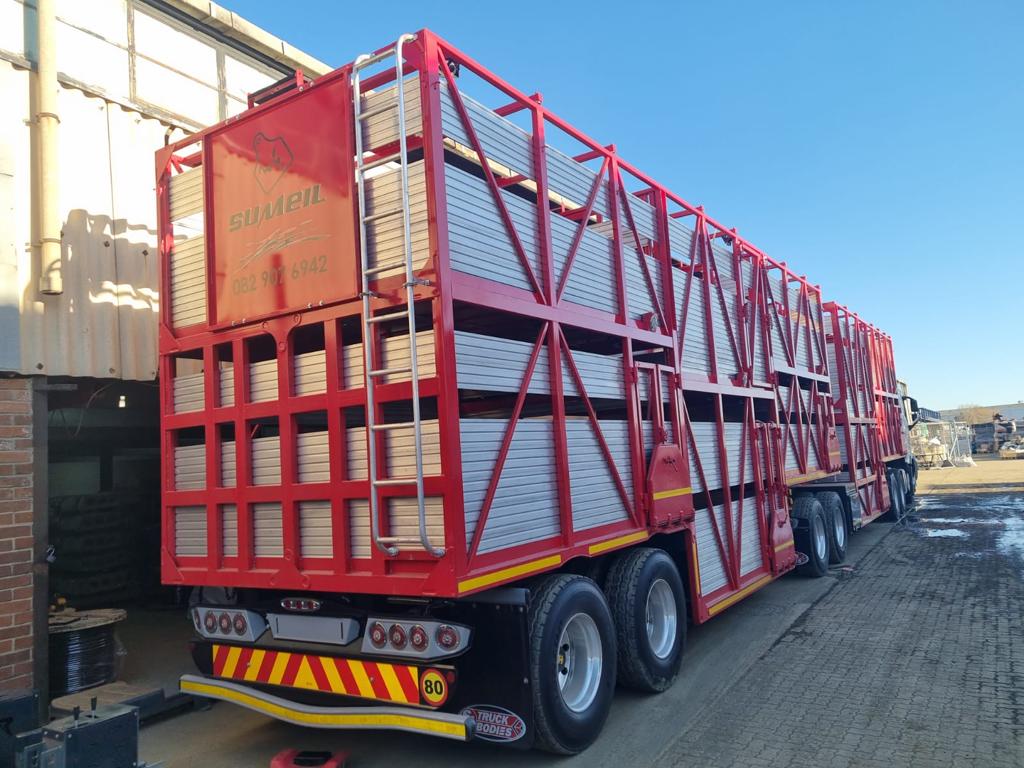
Foot-and-mouth disease (FMD) is one of the most serious threats to livestock farming in South Africa. For transport companies like Sumeil, the risk is not only about animal health—it’s also about protecting farmers’ livelihoods, maintaining trade access, and keeping communities safe from rapid disease spread. Because trucks and trailers move animals across long distances, strict biosecurity is essential.
The Current Situation in South Africa
As of July 2025, there have been 270 outbreaks across five provinces, with KwaZulu-Natal and Eastern Cape most affected. The government has deployed vaccines and movement restrictions, but outbreaks continue to put pressure on the transport sector . For companies like Sumeil, compliance with these regulations is not optional—it’s the law.
Why Transport Matters in FMD Control
Livestock transport can either:
- Stop the spread by enforcing strict loading, cleaning and movement rules, or
- Accelerate the spread if vehicles, drivers or equipment carry the virus between farms and auctions.
The virus survives on tyres, boots, manure and feed—making trucks and trailers high-risk if not properly managed .
Sumeil’s Approach to Safe Transport
Sumeil Transport implements strict practices to protect both our clients and the wider industry:
- Clean trucks and trailers before every trip
- High-pressure wash bays and disinfectants are used after every load.
- Particular attention is given to tyres, floors, ramps and partitions .
- Compliance with movement permits and control zones
- Animals are only moved with the required permits from State Veterinarians.
- Routes are planned to avoid restricted areas .
- Driver awareness and training
- Drivers understand FMD risks and are trained to spot suspicious symptoms.
- No unnecessary farm visits or stopovers occur during transport.
- Segregation of loads
- Animals from different farms are not mixed to reduce cross-contamination.
- Where possible, single-farm consignments are prioritised .
- Emergency response readiness
- In the event of suspect symptoms during loading, transport is halted, and the farmer is instructed to call the State Veterinarian immediately .
Farmer Responsibilities When Using Transport
- Inspect animals before loading. If you notice drooling, mouth blisters, or lameness, don’t send them on transport .
- Provide clean loading facilities. Dirty kraals or equipment increase contamination risk.
- Ensure all paperwork is ready. Movement permits are compulsory in affected provinces .
Who to Contact if You Suspect FMD
- Your local State Veterinarian (find provincial contacts here: Western Cape Elsenburg Directory, or via your provincial Department of Agriculture).
- DALRRD (Department of Agriculture, Land Reform and Rural Development) for outbreak updates and movement restrictions: gov.za FMD page.
Reporting is a legal requirement. Quick action protects the industry and keeps the disease from spreading further .
Bottom Line
Foot-and-mouth disease is everyone’s responsibility. At Sumeil, we take our role seriously by keeping livestock transport clean, legal and safe. Farmers can trust that when their animals are moved with us, every precaution is taken to prevent the spread of this devastating disease.
Keep Reading
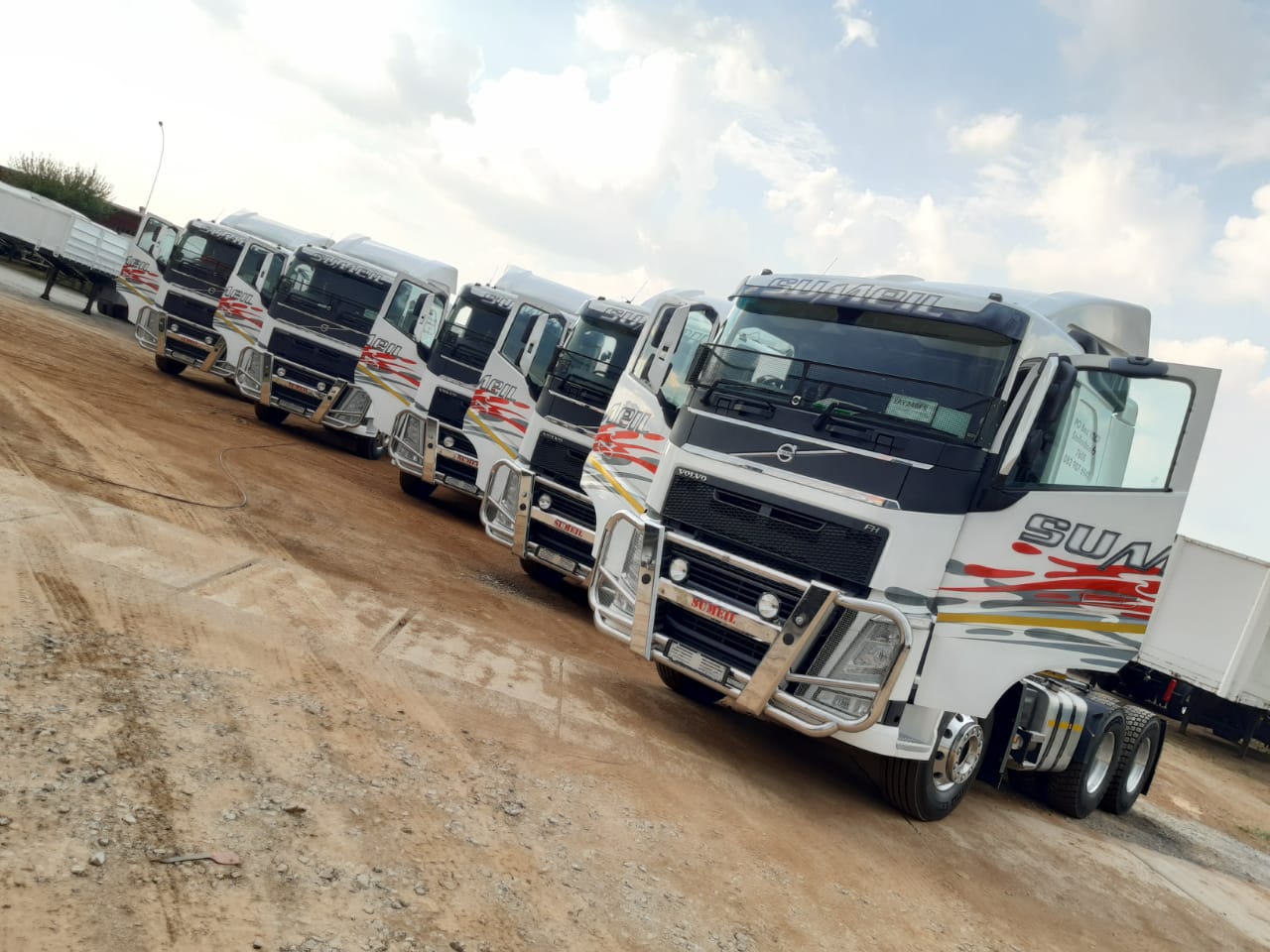
Explore how agricultural transport in South Africa has evolved from ox-drawn carts to modern, sustainable logistics solutions, and how Sumeil Transport delivers efficiency and reliability.

Discover why aluminium livestock trailers are the top choice for efficient and safe cattle transport. Learn about their durability, lightweight design, and how they enhance transportation efficiency.

Harvest season in the Free State is one of the most critical periods in South African agriculture. It is also one of the most logistically...
