
The Evolution of Agricultural Transport: From Traditional Methods to Modern Solutions
Introduction
Agriculture has been the backbone of South Africa’s economy for centuries. As the country developed, so did the methods of transporting agricultural produce. From the early days of ox-drawn carts to modern logistics solutions, the journey of agricultural transport is a testament to innovation, resilience, and the changing needs of the farming sector.
Traditional Methods: Ox-Drawn Carts and Horse-Pulled Wagons
In the early days, farmers relied heavily on animal power for transportation. Ox-drawn carts were the primary mode of moving goods, especially in rural areas. These carts were sturdy and capable of navigating the challenging terrains of the countryside. Horse- and mule-drawn wagons were also common in regions with more developed roads. Despite the simplicity, these methods were essential for connecting farms to local markets and communities.
The Advent of Rail: Connecting Farmlands to Markets
The introduction of railways in the late 19th and early 20th centuries revolutionized agricultural transport. Rail lines connected agricultural regions to ports, facilitating the export of produce and enabling bulk transportation over long distances. This reduced costs, opened new markets, and allowed farmers to scale their operations. Railways became a vital link between rural producers and urban consumers, shaping the growth of South Africa’s agricultural economy.
The Rise of Road Transport: Flexibility and Reach
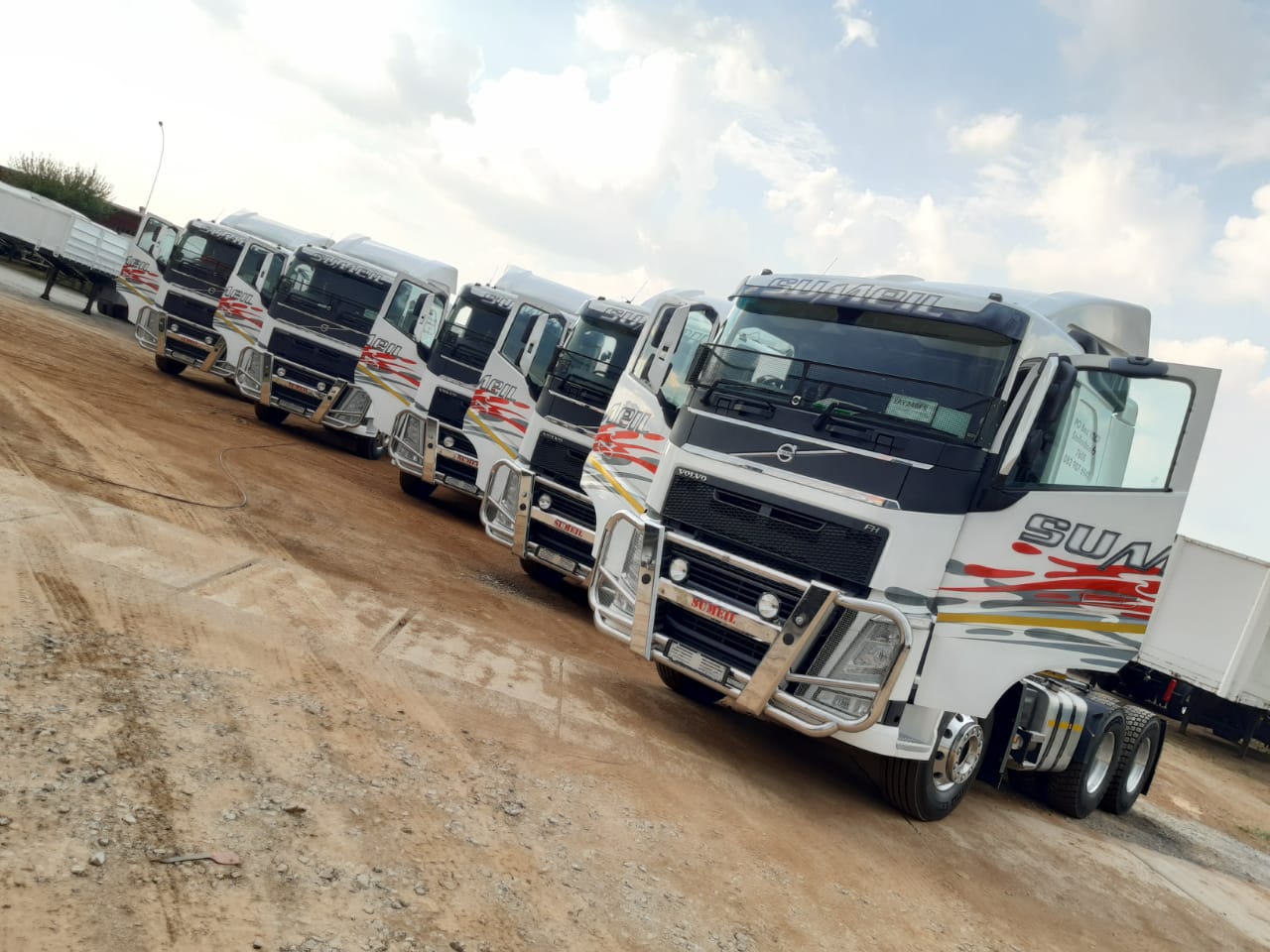
With the expansion of road networks, trucks became the preferred mode of transporting agricultural products. Road transport offered flexibility that rail could not match, allowing farmers to deliver produce to local markets, processing facilities, and ports on schedule. Companies like Sumeil Transport have been pivotal in this evolution, providing tailored transport solutions for agricultural goods and ensuring timely, reliable deliveries across South Africa.
Technological Advancements: GPS and Fleet Management
Modern agricultural transport is increasingly powered by technology. GPS tracking and fleet management systems have transformed route planning, improved delivery times, and enhanced safety. These tools enable real-time monitoring of shipments, giving farmers and clients greater transparency and peace of mind. By leveraging technology, Sumeil Transport ensures that every delivery is efficient, predictable, and secure.
Sustainable Practices: Eco-Friendly Transport Solutions
As environmental awareness grows, sustainability has become a core focus in agricultural transport. Companies are investing in fuel-efficient vehicles, exploring alternative energy sources, and optimizing routes to reduce carbon emissions. These efforts not only protect the environment but also contribute to cost savings and strengthen public perception. Sumeil Transport is committed to sustainable practices that balance operational efficiency with environmental responsibility.
Conclusion
The evolution of agricultural transport in South Africa reflects broader changes in the farming industry. From traditional ox-drawn carts to modern, sustainable logistics solutions, the journey has been marked by innovation, adaptation, and resilience. Companies like Sumeil Transport continue to play a vital role, providing reliable, efficient, and sustainable transport solutions that ensure South Africa’s agricultural products reach their destinations safely and on time.
Keep Reading
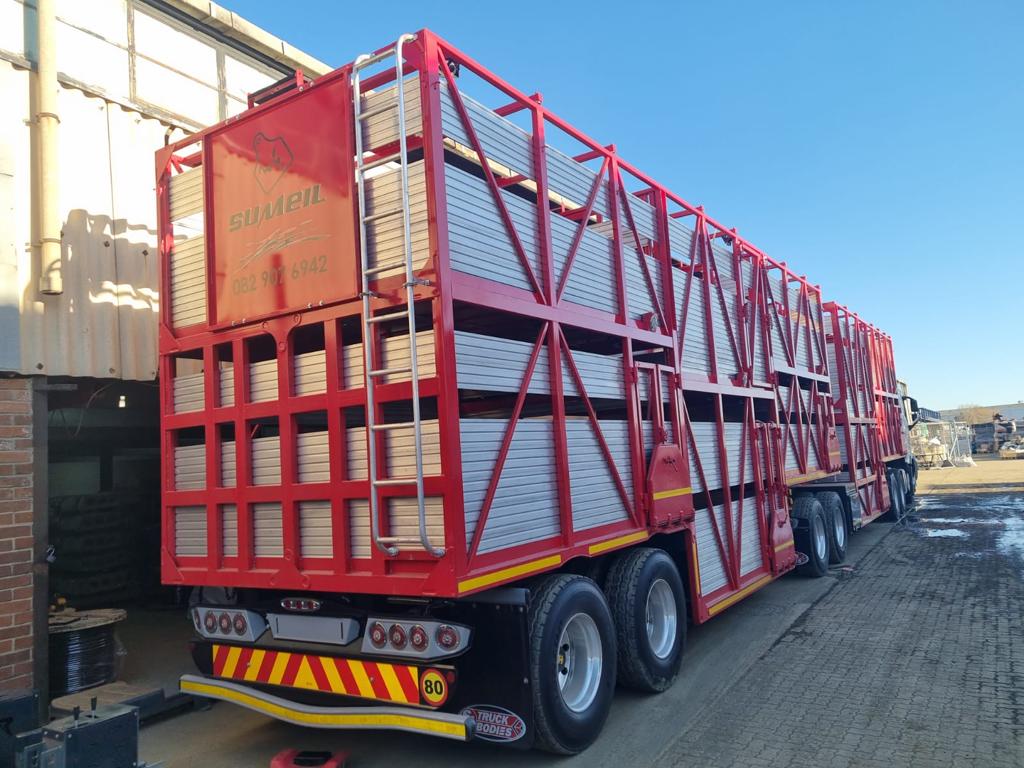
Discover how tipper trailers boost harvest efficiency, reduce grain loss, and support year-round transport for South African farmers.
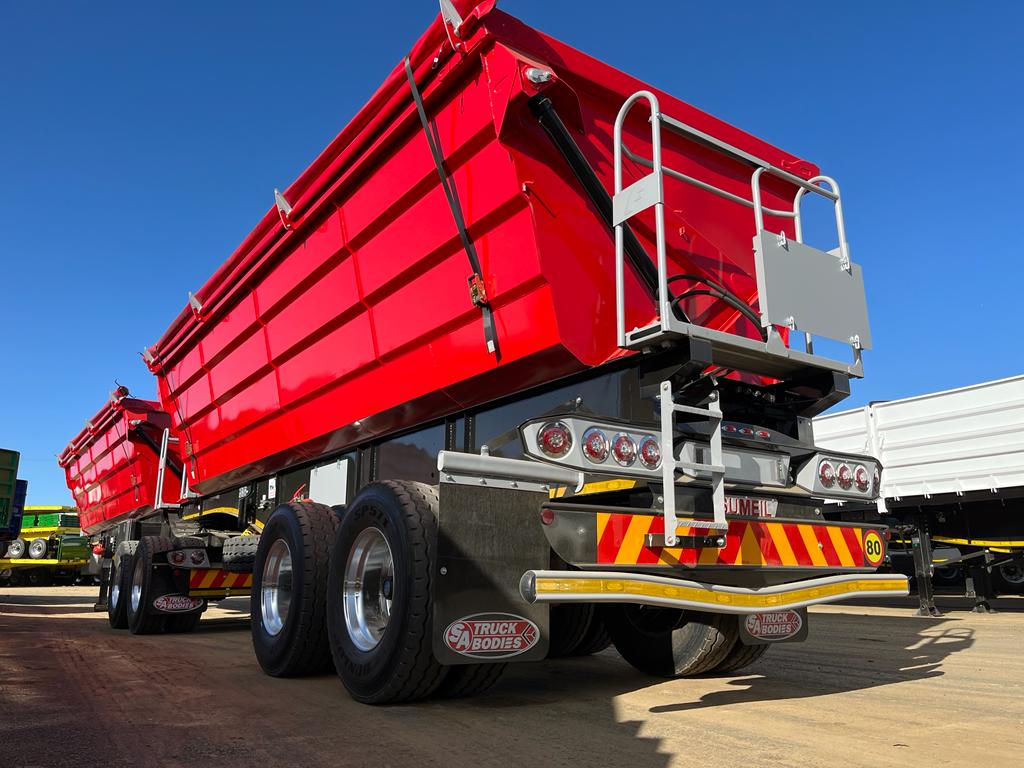
Compare side tipper and flat deck transport for grain, fertiliser, and bulk agricultural loads in South Africa. Learn which option is safer, faster, and more cost-effective.
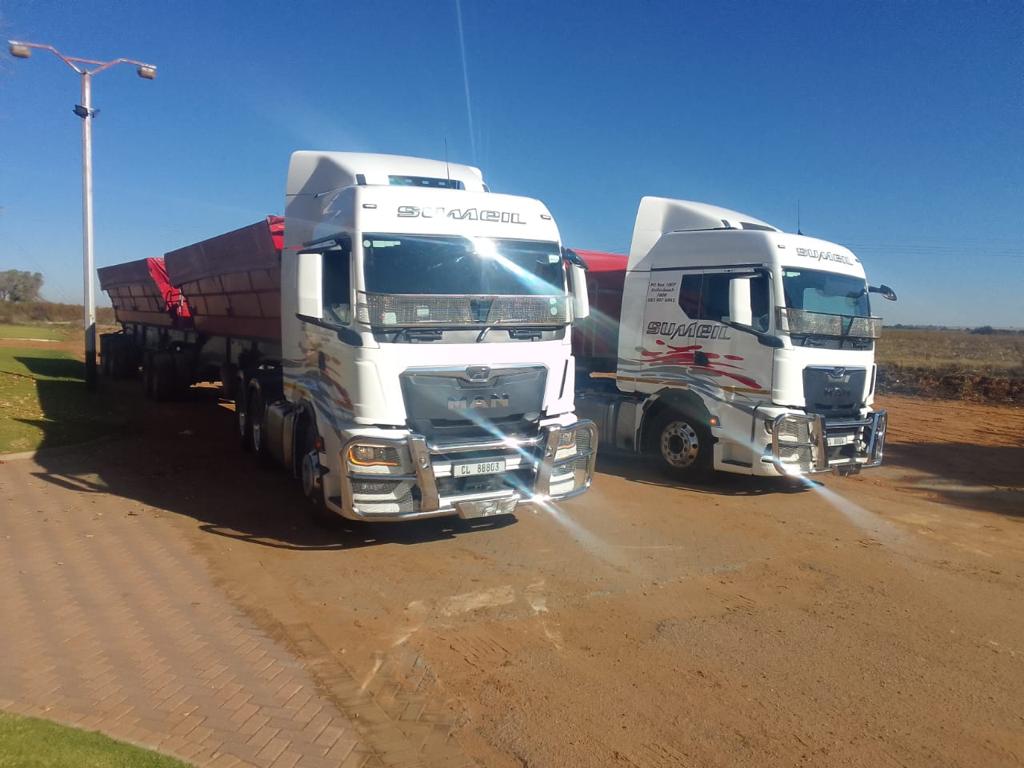
Avoid costly transport mistakes in agriculture. Discover how Sumeil helps farmers across South Africa move goods efficiently with nationwide coverage and expert logistics.
