How Far Can Cattle Travel by Truck?

Published On: 11 March 2026Categories: Livestock
sumeil livestock transport

Transporting cattle is a routine part of modern livestock farming. Whether animals are being moved between grazing areas, transported to auctions, relocated to feedlots, or delivered to abattoirs, road transport plays a vital role in the livestock supply chain. For farmers and transport operators, one of the most common questions is: how far can cattle safely travel by truck?

The answer depends on several factors including the age and condition of the animals, weather conditions, trailer design, and the way the transport is managed. When cattle are transported correctly, they can travel significant distances without compromising their welfare or productivity. However, poor transport planning can increase stress, lead to weight loss, or even cause injuries.

Understanding the limits of cattle transport and the best practices for long-distance hauling is essential for maintaining animal welfare and protecting the value of livestock.

Typical Transport Distances for Cattle

In many livestock regions, cattle regularly travel distances ranging from 50 km to over 500 km depending on the purpose of the journey.

Short-distance transport is common when moving cattle:

  • Between nearby farms
  • To local auctions
  • To neighbouring grazing areas
  • To veterinary facilities

Longer journeys typically occur when cattle are transported:

  • From farms to feedlots
  • Between provinces
  • From farms to abattoirs
  • To major livestock auctions

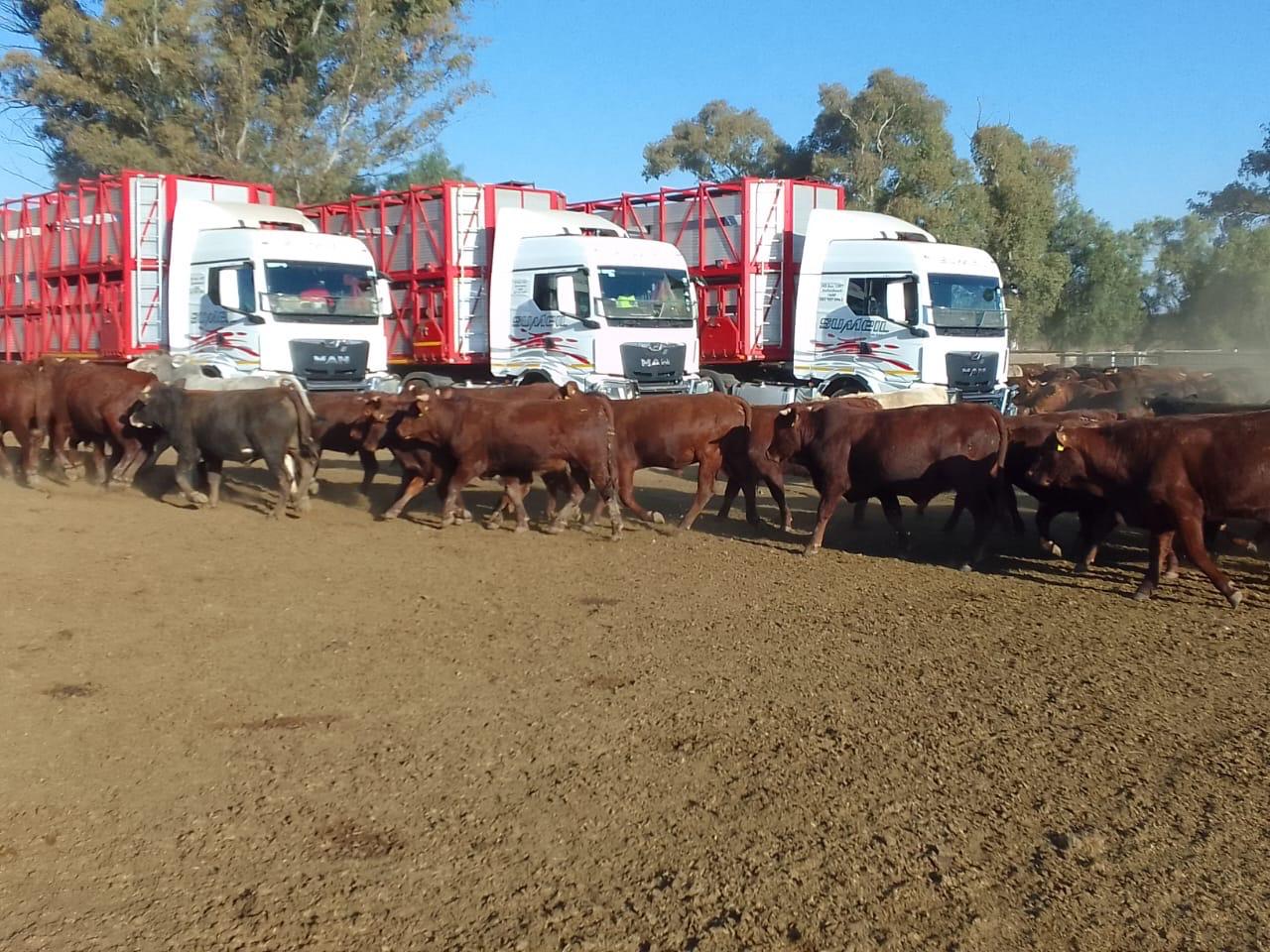
In South Africa, particularly in provinces such as the Free State where cattle farming is widespread, animals are often transported 200–400 kilometres between farms, markets, and processing facilities. These distances are well within safe limits when animals are handled properly and transported using suitable trailers.

How Long Can Cattle Stay on a Truck?

Distance alone does not determine transport limits. Travel time is equally important.

Under good transport conditions, cattle can generally travel up to 12 hours without needing to be unloaded. This assumes that:

  • Animals are healthy
  • The trailer provides good ventilation
  • Stocking density is correct
  • The driver maintains smooth driving practices

For longer journeys, rest stops may be required so animals can be given water and time to recover from the stress of transport.

Younger animals such as calves may require shorter transport times, while mature cattle in good condition can handle longer trips if managed carefully.

Factors That Affect How Far Cattle Can Travel

While cattle are resilient animals, several factors determine how well they tolerate transport. Understanding these variables helps farmers and transport companies plan safe journeys.

Animal Condition

Healthy cattle travel far better than animals that are sick, injured, or underweight.

Animals should always be checked before loading to ensure they are:

  • Fit for transport
  • Free from serious injury
  • Able to stand and walk normally
  • Not heavily pregnant

Transporting animals that are already stressed or weakened increases the risk of injuries and losses during the journey.

Weather Conditions

Temperature plays a major role in livestock transport.

During hot weather, cattle can experience heat stress, particularly if trailers have poor airflow or if animals are overcrowded. High temperatures are common during summer months in the Free State, making proper ventilation critical.

Cold weather can also affect cattle, especially if animals are wet or exposed to strong winds during transport.

Transport operators must adjust travel schedules and stocking density depending on seasonal conditions.

Trailer Design and Ventilation

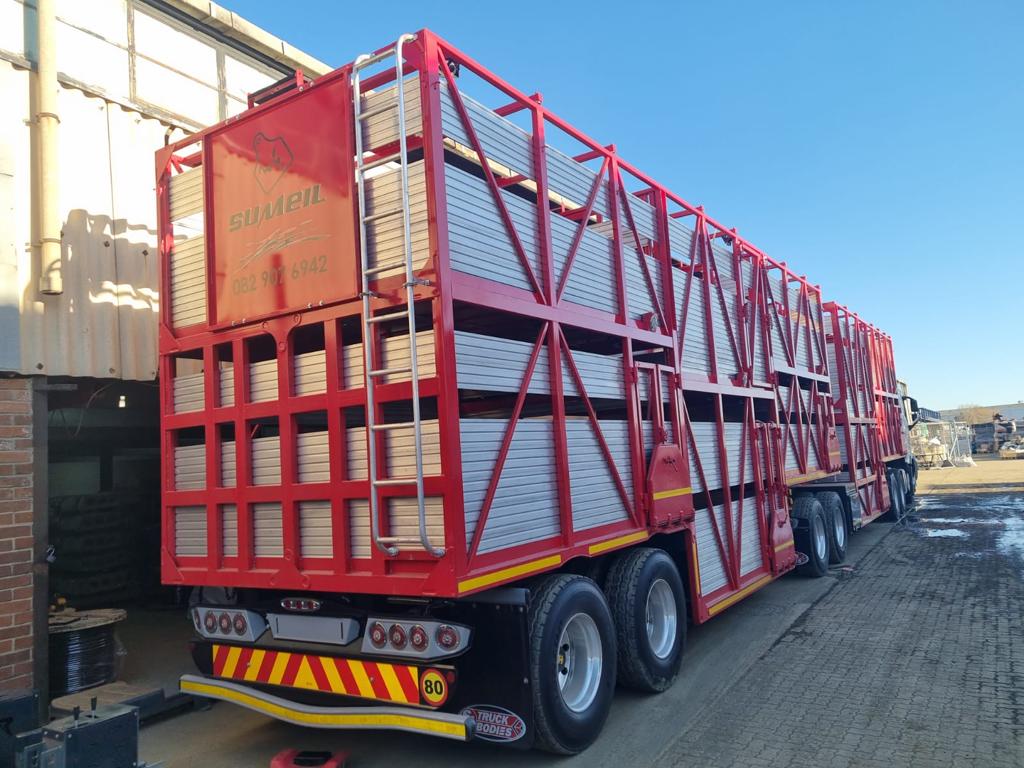
Modern livestock trailers are designed to maximise airflow, safety, and animal comfort.

Aluminium cattle trailers, which are commonly used in agricultural transport, offer several advantages:

  • Lightweight construction
  • Strong durability
  • Improved ventilation through slatted sides
  • Reduced rust and corrosion

Good ventilation allows fresh air to circulate throughout the trailer, preventing heat build-up and helping cattle remain calm during transport.

Proper trailer design also reduces sharp edges or protrusions that could cause injuries during movement.

Stocking Density

One of the most important factors in cattle transport is stocking density, or how many animals are loaded onto the trailer.

Overcrowding can lead to several problems:

  • Increased stress
  • Animals falling during transport
  • Poor airflow
  • Greater risk of injury

However, too much space can also create problems because animals may lose balance while the truck is moving.

The correct balance allows cattle to stand comfortably while still being supported by the animals around them.

Experienced livestock transporters carefully calculate stocking density based on:

  • Animal size
  • Weight
  • Age
  • Travel distance
  • Weather conditions

Driving Style

The way a truck is driven has a major impact on livestock welfare.

Sudden braking, sharp turns, and rapid acceleration can cause animals to lose their balance and fall. This increases the risk of bruising, injuries, and stress.

Professional livestock drivers use smooth driving techniques to keep cattle stable during the journey. Maintaining steady speeds and anticipating road conditions helps reduce unnecessary movement within the trailer.

Stress and Weight Loss During Transport

Even when transport is handled correctly, cattle may experience some level of stress during travel.

Stress can lead to:

  • Temporary weight loss
  • Dehydration
    Fatigue
  • Reduced immune response

Weight loss during transport is sometimes referred to as shrink, which occurs when animals lose body weight due to stress, dehydration, and reduced feed intake.

The longer the journey, the greater the potential shrink. However, good transport management can significantly reduce these effects.

Proper loading procedures, comfortable trailers, and efficient route planning all help minimise transport stress.

Preparing Cattle for Transport

Proper preparation before transport helps ensure animals can travel safely and comfortably.

Farmers typically prepare cattle by:

  • Allowing animals to rest before loading
  • Avoiding stressful handling
  • Ensuring cattle are accustomed to human interaction
  • Checking animals for injuries or illness

Animals should also be loaded calmly using appropriate handling facilities. Stressful loading processes can elevate heart rates and make animals more susceptible to fatigue during transport.

Quiet handling and experienced staff make a significant difference to how well cattle cope with travel.

Loading and Unloading Practices

The loading and unloading process is often the most stressful part of the journey for cattle.

Good loading facilities include:

  • Non-slip surfaces
  • Gradual ramps
  • Solid side panels to reduce distractions
  • Adequate lighting

These features encourage cattle to move calmly into the trailer without fear or hesitation.

When unloading, animals should be given time to walk out of the trailer naturally rather than being rushed or forced.

Calm handling reduces injuries and helps cattle recover more quickly after transport.

Planning Long-Distance Livestock Transport

For longer journeys, careful planning becomes even more important.

Transport companies typically consider:

  • Route conditions
  • Travel time
  • Weather forecasts
  • Loading and unloading locations
  • Access to rest facilities if required

Efficient route planning helps reduce travel time and prevents unnecessary delays that could increase stress for the animals.

In agricultural regions where farms may be located far from major markets or processing facilities, reliable transport planning ensures cattle arrive safely and in good condition.

The Role of Professional Livestock Transport

Transporting cattle is not simply about moving animals from one location to another. It requires specialised equipment, experienced drivers, and an understanding of livestock behaviour.

Professional agricultural transport companies invest in:

  • Purpose-built cattle trailers
  • Skilled livestock drivers
  • Proper loading equipment
  • Efficient logistics planning

These factors contribute to safer journeys and help maintain the value and condition of the livestock being transported.

For farmers, working with experienced livestock transport operators reduces risk and ensures cattle arrive at their destination in good health.

Conclusion

Cattle are capable of travelling considerable distances by truck when transport is handled correctly. In many farming regions, journeys of several hundred kilometres are routine and can be completed safely with proper planning and equipment.

The distance cattle can travel depends on several factors, including animal health, weather conditions, trailer design, and transport management. When animals are loaded correctly, transported in well-ventilated trailers, and handled calmly throughout the journey, they can travel long distances without significant stress or injury.

For farmers and livestock producers, understanding the principles of safe cattle transport helps protect both animal welfare and farm profitability. Careful preparation, experienced drivers, and suitable trailers all contribute to successful livestock transport across South Africa’s agricultural regions.

Keep Reading