
The Do’s and Don’ts of Livestock Haulage in Summer
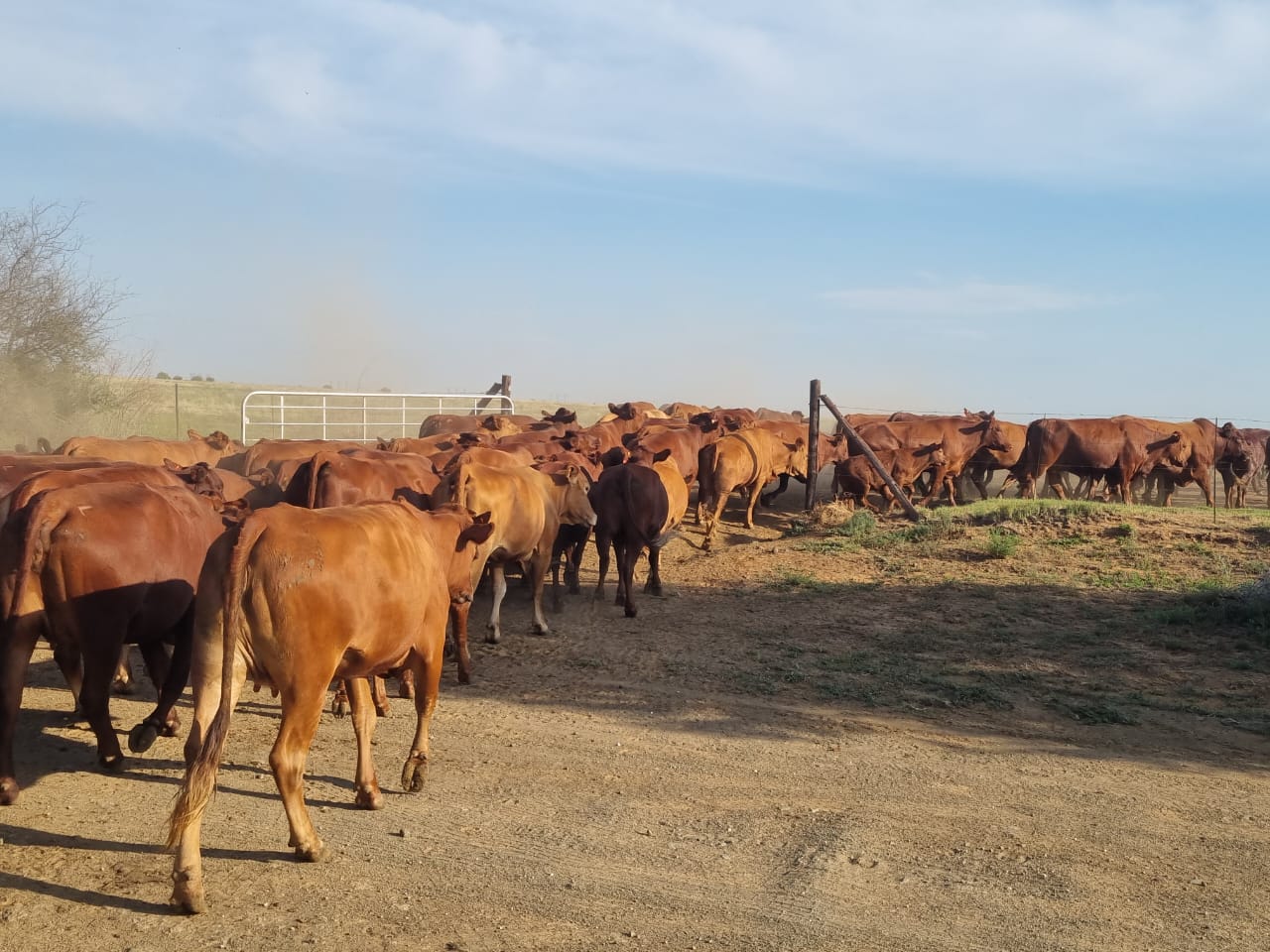
Summer is peak season for livestock haulage in South Africa. Farmers are busy preparing animals for market, auctions, and abattoirs, while transport companies are navigating high demand, long distances, and soaring temperatures. Moving livestock safely and efficiently isn’t just about having the right truck — it’s about understanding animal welfare, legal requirements, and practical planning.
At Sumeil Transport, we’ve learned that careful preparation can make the difference between a smooth haul and a stressful, costly journey. In this article, we’ll walk through the essential do’s and don’ts of livestock transport during the summer months — from farm preparation to arrival at the destination.
Understanding the Summer Challenge
Summer in South Africa brings both opportunities and risks. Warmer weather and longer daylight hours allow farmers to move livestock efficiently, but extreme heat can cause stress, dehydration, and even mortality if not managed properly.
High temperatures affect:
- Animal welfare: Heat stress can reduce appetite, slow growth, and affect meat quality.
- Transport safety: Hot trucks and overexerted animals increase the risk of injury.
- Legal compliance: The Animal Protection Act and transport regulations require proper care during transit, including water, shade, and rest.
Understanding these risks is the first step in planning a successful summer livestock haul.
Plan Ahead and Book Early
Summer is a peak period for livestock transport. Farmers and transport companies alike face high demand, especially in the weeks leading up to auctions or festive season markets.
- Schedule your transport well in advance to avoid last-minute stress.
- Confirm routes, vehicle availability, and drop-off locations.
- Communicate clearly with your transport provider about the type, number, and condition of animals.
Proper planning ensures animals aren’t waiting too long in the heat before or during the journey.
Hydrate Animals Properly
Dehydration is a major risk in summer transport. Animals should be:
- Watered before loading: Ensure livestock are well-hydrated but not overly full.
- Water available during long trips: Trucks equipped with troughs or water tanks help maintain hydration.
- Monitor for signs of stress: Panting, drooling, or sluggishness can indicate heat stress.
Even short trips can be challenging in extreme heat, so water management is crucial.
Feed Wisely
Feeding during transport requires balance:
- Avoid heavy meals immediately before loading, which can cause digestive upset.
- Provide a light feed 2–3 hours before the journey for energy.
- Supplementation: Consider mineral blocks to maintain electrolyte balance during hot weather.
Proper feeding supports both health and weight maintenance during transit.
Ensure Proper Vehicle Preparation
The truck itself plays a key role in summer livestock welfare:
- Ventilation: Ensure adequate airflow to reduce heat buildup. Open side panels or roof vents if possible.
- Non-slip flooring: Prevents injuries from slips or falls.
- Shade provision: Cover the truck or ensure roofed sections to protect animals from direct sunlight.
- Load security: Partitions or barriers prevent crowding and injuries.
A well-prepared vehicle reduces stress and ensures animals arrive safely.
Handle Animals Calmly
Livestock are sensitive to stress. In summer, high temperatures make them more susceptible to overheating from agitation.
- Use low-stress handling techniques — calm voices, minimal prodding, and gentle guiding.
- Avoid overcrowding in pens and on trucks.
- Allow animals to acclimate to the truck before starting long journeys.
Stress-free animals maintain body temperature more effectively and arrive healthier.
Schedule Trips During Cooler Hours
Whenever possible:
- Transport early in the morning or late in the evening to avoid peak heat.
- Minimise stops during the hottest parts of the day.
- Plan routes to include shaded rest areas or farm stops if the journey is long.
This simple scheduling strategy reduces heat-related stress and improves overall safety.
Don’ts: Common Mistakes to Avoid
Don’t Overload Trucks
Overcrowding increases heat stress, injuries, and mortality. Each animal needs enough space to stand, lie down, and balance during movement.
- Follow recommended space guidelines for each species and weight class.
- Avoid “cramming” animals to save costs — the long-term impact on welfare and quality outweighs any short-term gains.
Don’t Ignore Animal Health Checks
Sick, injured, or weak animals are highly vulnerable during transport, especially in hot weather.
- Inspect animals before loading.
- Avoid transporting those showing signs of disease or weakness.
- Work with a veterinarian if unsure about the health status of livestock.
Transporting unhealthy animals can result in losses and legal consequences.
Don’t Forget Legal Requirements
South Africa has clear regulations regarding livestock transport. Failure to comply can result in fines or legal action:
- Animal Protection Act: Requires humane treatment, rest periods, water, and shade.
- Permit regulations: Certain livestock types or routes may require permits.
- Transport documentation: Keep movement records for traceability.
Staying compliant protects both animals and your business.
Don’t Transport During Peak Heat Without Adequate Measures
Extreme temperatures can quickly lead to heat stress or death, particularly for cattle and sheep.
- Never transport during midday heat unless trucks are fully shaded and ventilated.
- Avoid extended journeys in high temperatures without planned rest and water stops.
Even experienced farmers can underestimate the risk of heat stress — caution is always warranted.
Don’t Ignore Staff Training
Even the best vehicles and planning fail if handlers lack knowledge:
- Train drivers and farm staff in low-stress livestock handling.
- Educate teams on signs of heat stress and emergency procedures.
- Ensure everyone understands legal and welfare responsibilities.
Well-trained staff are the first line of defense against problems during summer transport.
Practical Tips for a Smooth Summer Haul
- Check weather forecasts before departure.
- Inspect trucks daily for mechanical issues and safety concerns.
- Keep transport times short where possible, splitting longer hauls into stages.
- Monitor livestock during transit — even periodic checks can prevent serious issues.
- Document everything — water, rest stops, health checks — both for compliance and learning for future trips.
Why Choosing the Right Transport Partner Matters
Partnering with a professional transport company like Sumeil Transport ensures that your livestock arrive safely, efficiently, and in peak condition. We bring:
- Experienced drivers and handlers trained in low-stress livestock management.
- Vehicles designed and maintained for summer conditions.
- Knowledge of South African regulations and best practices.
- Flexible scheduling to meet seasonal demands.
Farmers can focus on raising healthy livestock while leaving the logistics, planning, and welfare oversight to trusted professionals.
Conclusion
Livestock haulage in summer is challenging but manageable with the right planning and care. Following the do’s and don’ts outlined here — from hydration and feeding to vehicle preparation, handling, and legal compliance — can mean the difference between a smooth journey and costly problems.
For farmers, preparation is key: know your animals, respect their needs, plan routes carefully, and work with a reliable transport partner. For transport companies, expertise, training, and attention to welfare ensure professionalism, compliance, and satisfied clients.Summer livestock transport doesn’t have to be stressful. With proper planning, care, and respect for the animals, every haul can be efficient, safe, and successful.
Keep Reading
Delayed agricultural transport can quietly reduce profits through storage pressure, quality loss, and missed market windows. Learn how better timing protects margins.
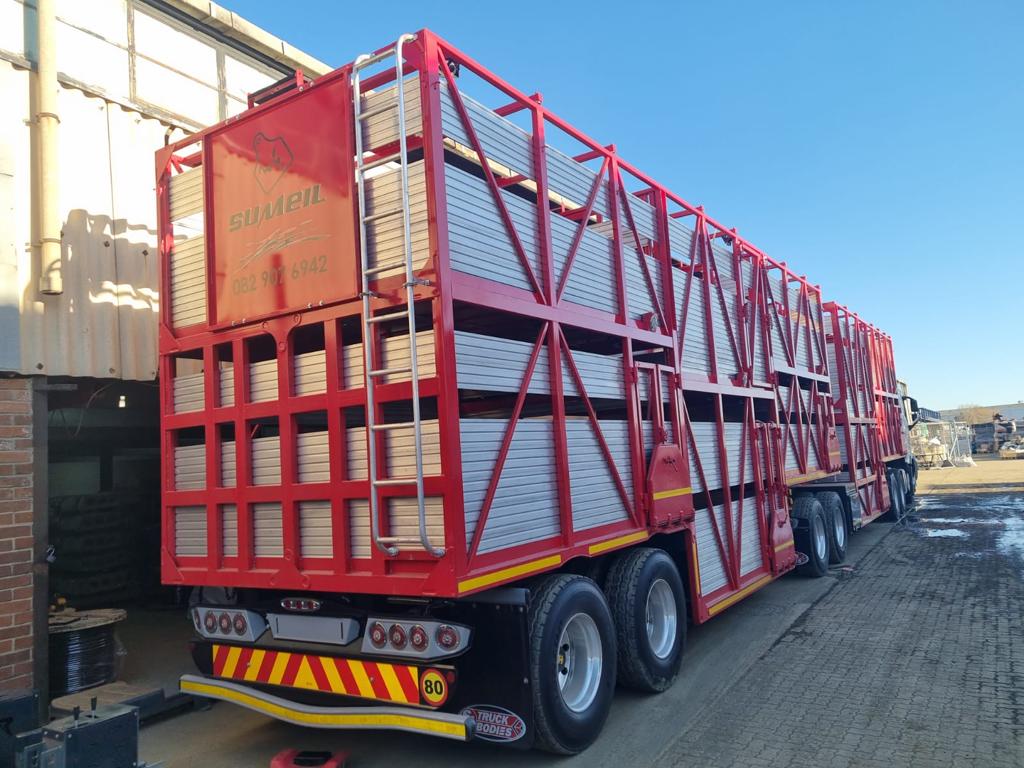
Discover key regulations and best practices for livestock transport in South Africa, ensuring compliance, animal welfare, and biosecurity.

Harvest season in the Free State is one of the most critical periods in South African agriculture. It is also one of the most logistically...
