
Why Accurate Load Weights Matter in Agricultural Transport
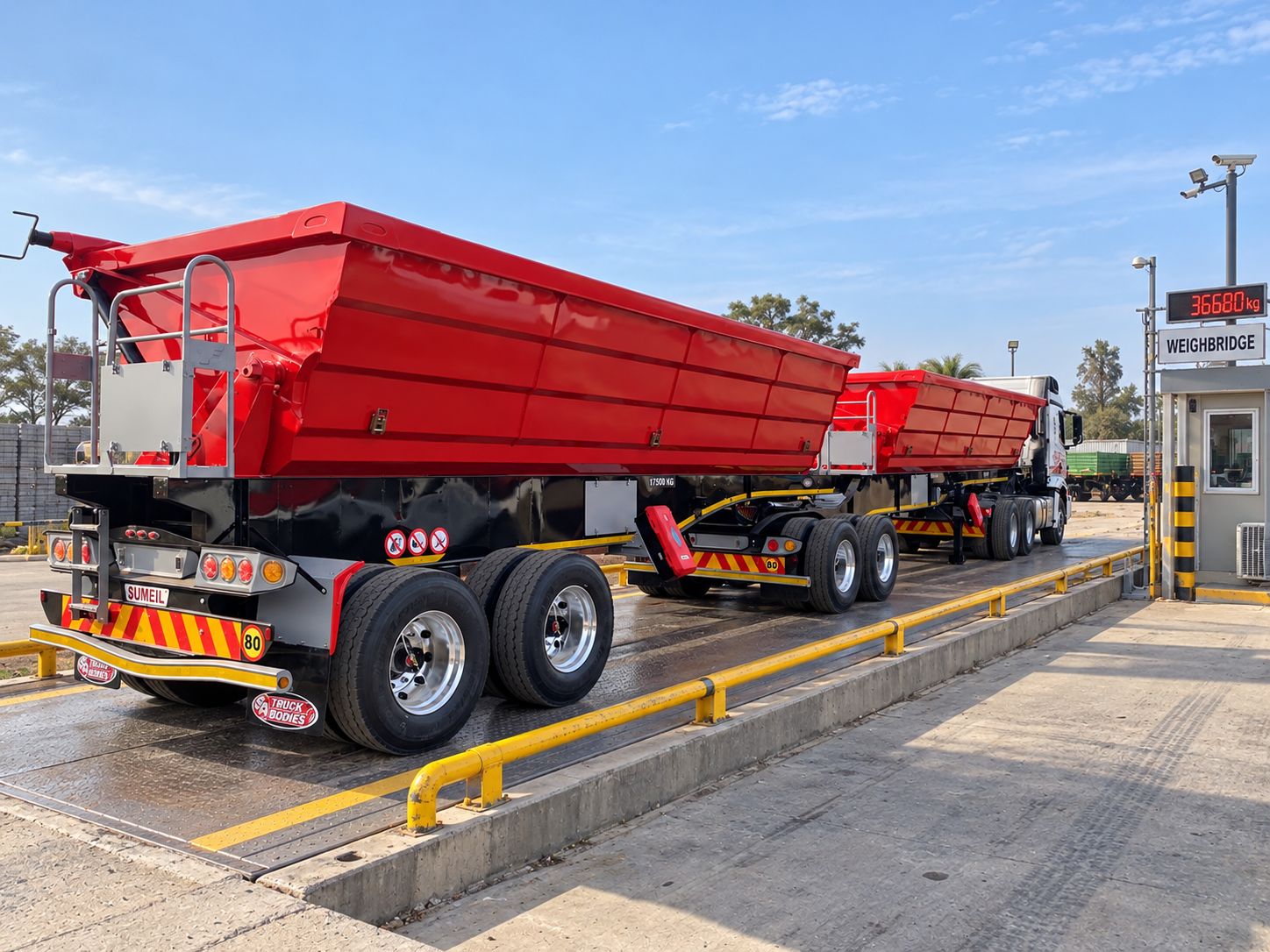
A truck can be loaded, secured and ready to leave the farm, but one important detail can still create problems before the delivery reaches its destination: the weight of the load.
Across South Africa, agricultural transport plays an essential role in moving grain, fertiliser, animal feed and other bulk products between farms, suppliers and processing facilities.
With large volumes being transported over considerable distances, accurate load weights are important for more than calculating how much product has been moved.
They affect road safety, legal compliance, vehicle performance and the accuracy of commercial transactions.
Understanding the role of load weighing can help farmers and transport operators avoid unnecessary complications.
Why Load Weight Is More Than Just a Number
When agricultural products are transported in bulk, even relatively small differences in recorded weight can create questions at the delivery point.
Consider a truck collecting a load of maize from a farm.
The farmer needs to know how much grain has left the property, while the receiving facility needs to establish how much has arrived.
The transporter must also ensure that the vehicle operates within its permitted loading limits.
These are related responsibilities, but they are not necessarily measured in the same way.
The weight of the cargo, the total vehicle combination mass and the weight carried by individual axles all matter.
A load can fall within a vehicle’s overall permitted mass while still placing excessive weight on a particular axle or axle group.
Understanding Gross Weight, Tare Weight and Net Weight
Three measurements are particularly useful when discussing bulk agricultural transport.
Gross Weight
Gross weight is the total measured weight of the loaded vehicle or vehicle combination.
This includes the vehicle, trailers, cargo and other items contributing to its mass.
Tare Weight
Tare weight is the weight of the vehicle or vehicle combination without the cargo being measured.
Net Weight
Net weight is the weight of the cargo itself.
It is calculated by subtracting the tare weight from the gross weight, provided the measurements are taken on a consistent basis.
For example, if a loaded truck weighs 48 tonnes and its corresponding tare weight is 16 tonnes, the calculated cargo weight is 32 tonnes.
These measurements provide an important basis for transport records and commercial transactions.
The Role of Weighbridges in Agricultural Transport
Weighbridges are used to determine vehicle mass at collection points, storage facilities and other locations.
Depending on the operation, a vehicle may be weighed before loading, after loading or at both ends of the journey.
At a grain receiving facility, weighing may form part of a broader process that also includes sampling, grading and delivery documentation.
Reliable measurements help establish a clear record of the quantity being transported.
However, accuracy depends on using suitable, properly verified equipment and following the correct weighing procedures.
A weighbridge reading is only useful when the vehicle configuration, measurement method and supporting documentation are understood.
Why Overloading Creates Serious Risks
Agricultural products can be exceptionally heavy, particularly when transported in large volumes.
An overloaded vehicle may place excessive strain on its tyres, suspension, brakes and other mechanical components.
This can increase the risk of equipment failure and affect the vehicle’s handling and stopping performance.
Overloading also contributes to damage to road infrastructure.
South African road traffic legislation places restrictions on vehicle and axle masses, making compliance an essential part of responsible transport operations.
The aim should never be to carry the greatest possible amount regardless of the vehicle’s limits.
It should be to transport the load efficiently while maintaining appropriate safety margins and complying with the applicable requirements.
What Happens When Delivery Weights Do Not Match?
Differences between dispatch and receiving weights can create uncertainty for everyone involved.
For example, a load may leave a collection point with one recorded weight and arrive at its destination with a different measurement.
There are several possible reasons for this.
These may include:
- Differences in weighing equipment or procedures
- Inconsistent tare measurements
- Changes in fuel or other items included in the vehicle’s measured mass
- Product loss or spillage during transport
- Recording or documentation errors
Not every discrepancy indicates that cargo has gone missing.
Before reaching a conclusion, the weighing records and conditions at both locations should be reviewed.
For agricultural businesses handling frequent bulk deliveries, clear documentation makes these questions easier to investigate.
Better Load Management Starts Before Departure
Accurate weighing forms part of a larger transport process.
Before a vehicle leaves the collection point, the operator should consider whether:
- The cargo weight has been established correctly.
- The vehicle and axle loading limits are being respected.
- The load is suitably distributed and secured.
- Relevant dispatch and transport documentation is complete.
- The receiving facility has the information needed to process the delivery.
These checks help reduce the likelihood of delays, disputes and preventable safety risks.
They also support smoother communication between the farmer, transporter and receiving facility.
Reliable Transport Depends on Getting the Details Right
A successful agricultural delivery involves more than moving a product from one location to another.
It requires proper preparation, suitable equipment, accurate records and responsible handling throughout the journey.
Load weighing is one part of this process, but it has implications for safety, efficiency and accountability.
For farmers and agricultural businesses, working with transport providers who understand these responsibilities can make the movement of bulk products more predictable.
At Sumeil Transport, agricultural logistics remains central to the services we provide.
From grain and other bulk agricultural products to livestock transport, the objective is to support reliable movement between farms, suppliers and destinations across South Africa.
Because in agricultural transport, every load matters — and so does knowing exactly what is being carried.
Keep Reading
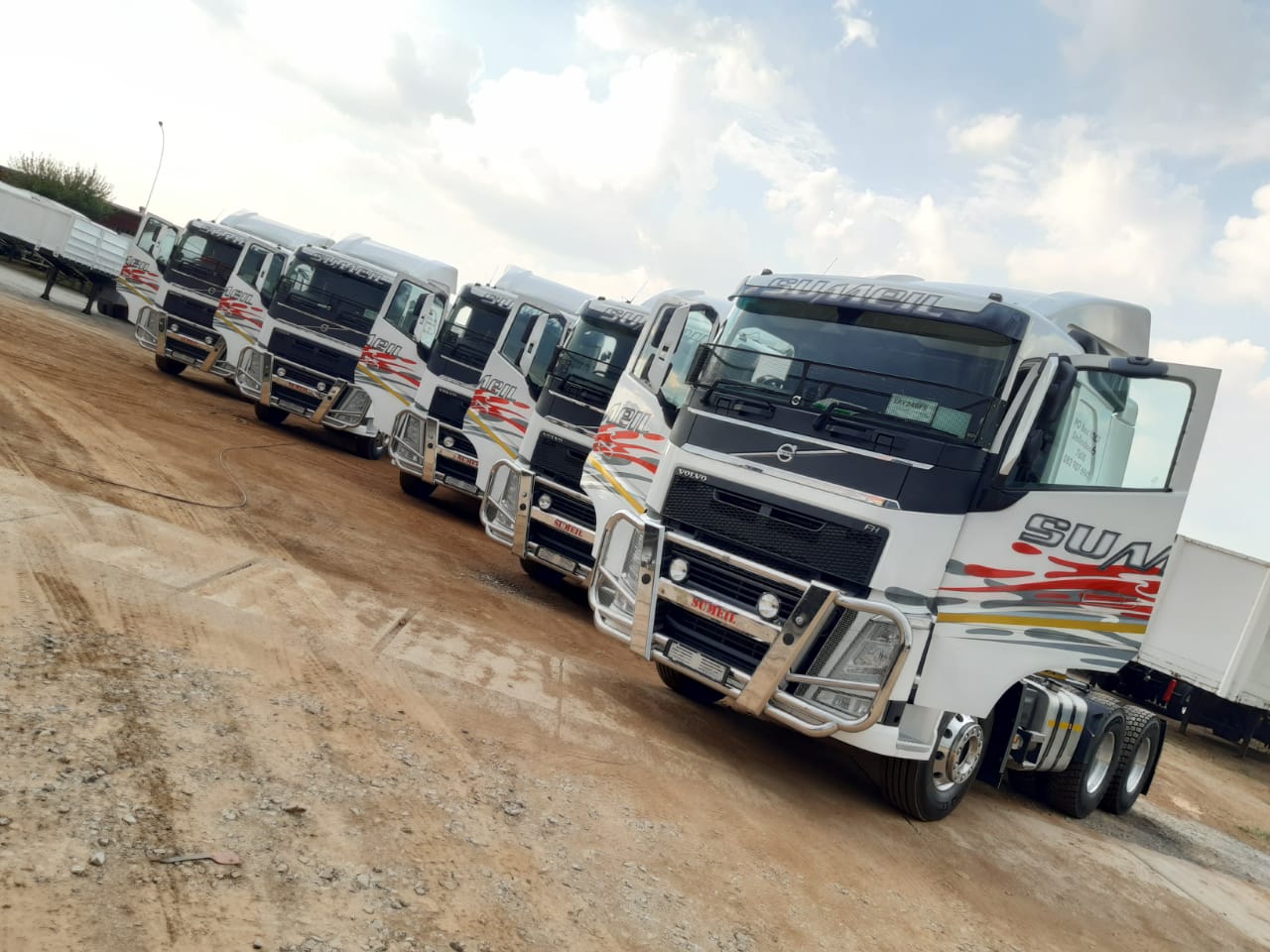
Explore how agricultural transport in South Africa has evolved from ox-drawn carts to modern, sustainable logistics solutions, and how Sumeil Transport delivers efficiency and reliability.
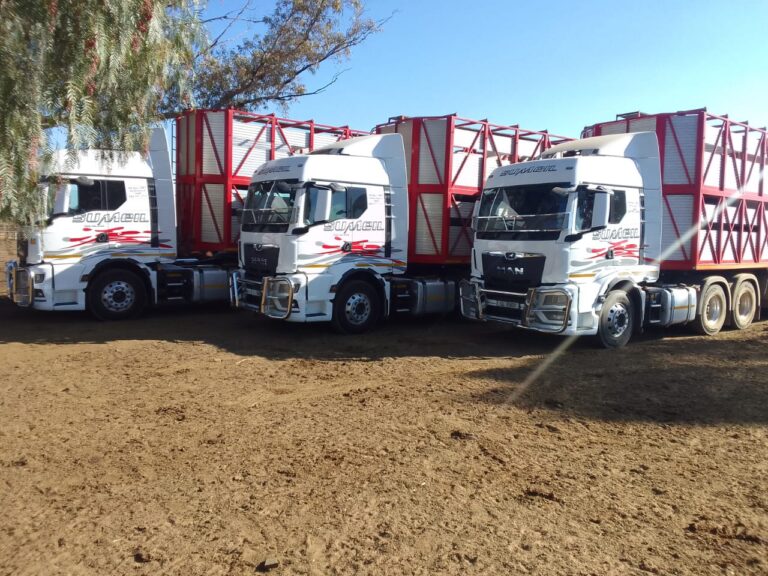
Discover how smallholder farmers can increase profits, reduce waste, and access larger markets with professional agricultural transport services.
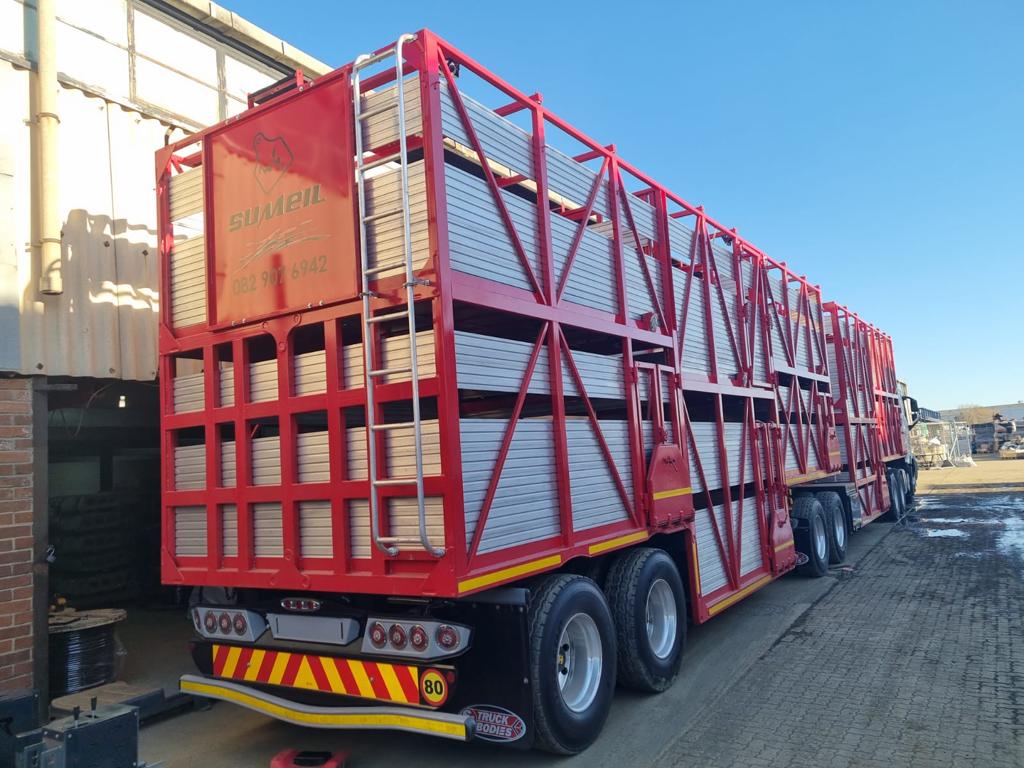
Discover how tipper trailers boost harvest efficiency, reduce grain loss, and support year-round transport for South African farmers.
