
Legal Load Limits in South Africa: What Farmers Should Know
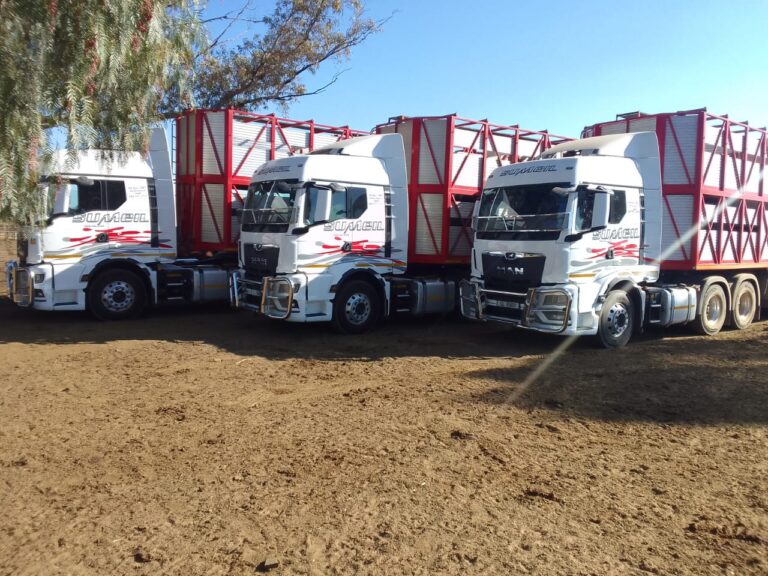
When it’s time to move your maize, wheat, cattle feed, or other bulk loads, weight matters. Not just for productivity—but for legality, road safety, and the success of your delivery.
Many farmers unknowingly run the risk of overloading trucks, especially during busy harvest seasons when every tonne counts. But exceeding South Africa’s legal truck load limits can lead to fines, damaged roads, offloading delays, or even confiscated goods.
In this guide, we’ll break down everything farmers and producers need to know about load regulations—and how Sumeil Transport ensures your goods stay within limits, on schedule, and protected.
Why Load Limits Matter in Agriculture
South Africa has strict load regulations for good reason:
🛣️ To protect road infrastructure (overloaded trucks damage rural and provincial roads)
🚓 To ensure driver and public safety
💰 To avoid costly fines and impoundments
⏱️ To reduce transport delays caused by reweighing or enforcement stops
For farmers, working with a compliant transport partner means fewer risks, less downtime, and a smoother harvest-to-market process.
Legal Load Limits in South Africa (Simplified)
The allowable load on a truck depends on a few factors:
- Vehicle type (rigid, articulated, tipper, etc.)
- Number of axles
- Axle spacing and configuration
- Permit type (general freight or abnormal loads)
Below is a simplified breakdown of general legal load limits under South African road traffic legislation:
General Gross Combination Mass (GCM) Limits:
| Vehicle Configuration | Axles | Max GCM (General Freight Permit) |
| Rigid Truck | 2 | ~16,000 kg (16 tons) |
| Rigid Truck + Trailer | 3-4 | ~24,000–30,000 kg |
| Tri-Axle Tipper Truck | 5 | 34,000 kg (34 tons) |
| Superlink Combination | 6+ | 56,000 kg (56 tons)* |
*Superlink GCM can vary depending on permits, tyres, road type, and spacing. A common bulk limit is 28–30 tons of product, depending on vehicle mass.
📏 Axle Load Limits:
- Single axle: 6–9 tons
- Tandem axles: 16–18 tons
- Tridem axles: 21–24 tons
Common Overloading Mistakes by Farmers
Even experienced producers can unintentionally overload trucks due to:
- Guessing weight based on volume, not density
- Ignoring the truck’s own tare weight
- Loading unevenly across axles
- Using old or wet grain, which increases density
- Skipping weighbridge checks
How Sumeil Ensures Load Compliance
At Sumeil Transport, we follow strict protocols to protect our clients:
1. Pre-Trip Load Planning
We calculate expected product weight using crop type, moisture content, and tipper trailer specs—before a load is moved.
2. Modern Weighing Systems
Where available, we load at facilities with certified weighbridges, or we double-check loads at nearby stations.
3. Axle-Load Awareness
Our drivers are trained to identify misbalanced loads across axles—one of the most common causes of fines.
4. Permits and Compliance
All our vehicles operate under compliant freight permits and roadworthy checks, with regular driver briefings on legal limits.
5. Farmer Education
We work with our clients to ensure that on-farm loaders and scale systems are accurate—and offer guidance where needed.
The Cost of Overloading: It’s Not Just a Fine
You might think a few extra tonnes won’t hurt. But in reality, overloading can lead to:
| Consequence | Cost/Impact |
| Fines at weighbridges | R3,000 – R20,000+ per offence |
| Vehicle damage | Tyres, axles, suspension repairs |
| Delays at inspection | Up to 12+ hours off the road |
| Lost contracts | Co-ops and buyers may blacklist |
| Confiscated cargo | In extreme or repeated cases |
Quick Reference: Common Agricultural Products & Their Densities
Understanding the weight per cubic metre (kg/m³) of your product can help you estimate legal loads more accurately:
| Product | Density (kg/m³) | Approx tonnes per full tri-axle |
| Maize (dry) | 720–780 | 28–30 tons |
| Wheat | 770–820 | 28–30 tons |
| Silage (wet) | 600–900 | 25–27 tons (depending on moisture) |
| Fertiliser | 1,000+ | Maxed out at volume or axle limit |
| Cattle Feed | 500–600 | ~25 tons per trip |
Pro Tips for Farmers
- Know your product density: Wet silage weighs more than it looks.
- Check vehicle tare: A heavier truck reduces net load.
- Use the weighbridge: It’s worth the stop.
- Partner with pros: Work with transporters who know the law and enforce it.
Sumeil Transport = Reliable, Compliant, Agricultural Logistics
We’ve been hauling maize, wheat, and silage across South Africa for years—and we know the weight of trust. When you partner with Sumeil, you don’t just get a truck. You get:
🚛 Legal, roadworthy vehicles
📦 Experienced loading and offloading practices
📊 Load planning and weight compliance
📍 Flexible routes across the Free State, Northern Cape, and beyond
We make sure your load arrives safely, legally, and on time.
Ready to Book a Compliant Transport Partner?
Avoid fines, stress, and transport delays. Contact the team at Sumeil Transport today for professional bulk and livestock logistics across Southern Africa.
Keep Reading

Discover how tipper trailers improve efficiency, durability, and safety during maize and wheat harvests. Learn why Sumeil trailers are trusted by South African farmers.
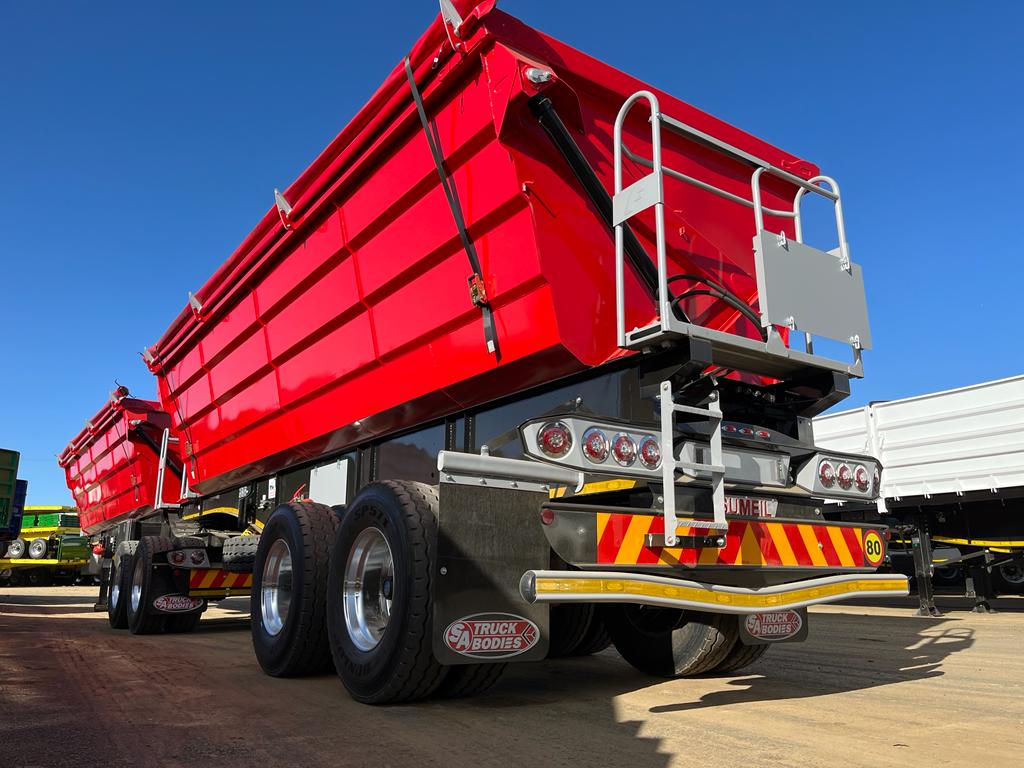
Compare side tipper and flat deck transport for grain, fertiliser, and bulk agricultural loads in South Africa. Learn which option is safer, faster, and more cost-effective.
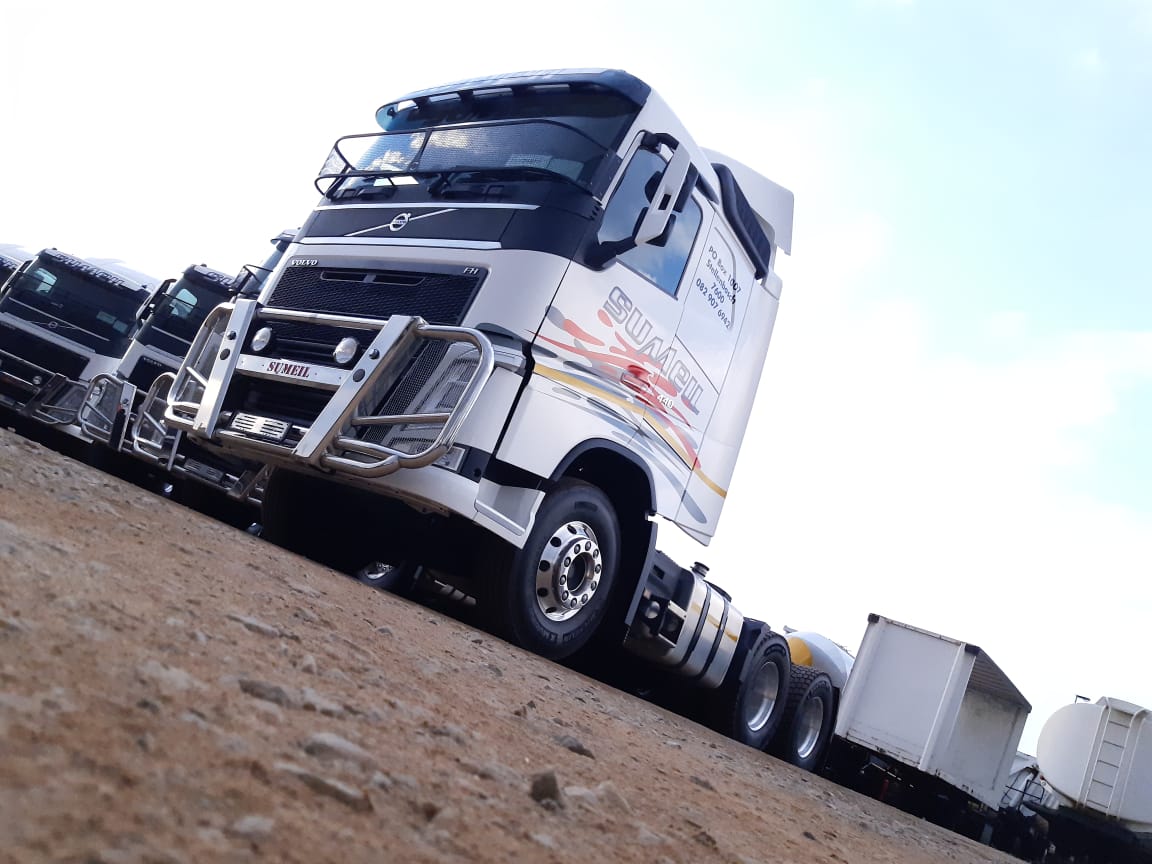
Discover how custom agricultural transport solutions improve efficiency, reduce costs, and ensure safe delivery of livestock, grains, and perishables. Learn about specialized trailers, tipper trucks, and cold chain logistics for South African farmers.
