
The Ripple Effect: Foot and Mouth Disease and South Africa’s Transport & Trade
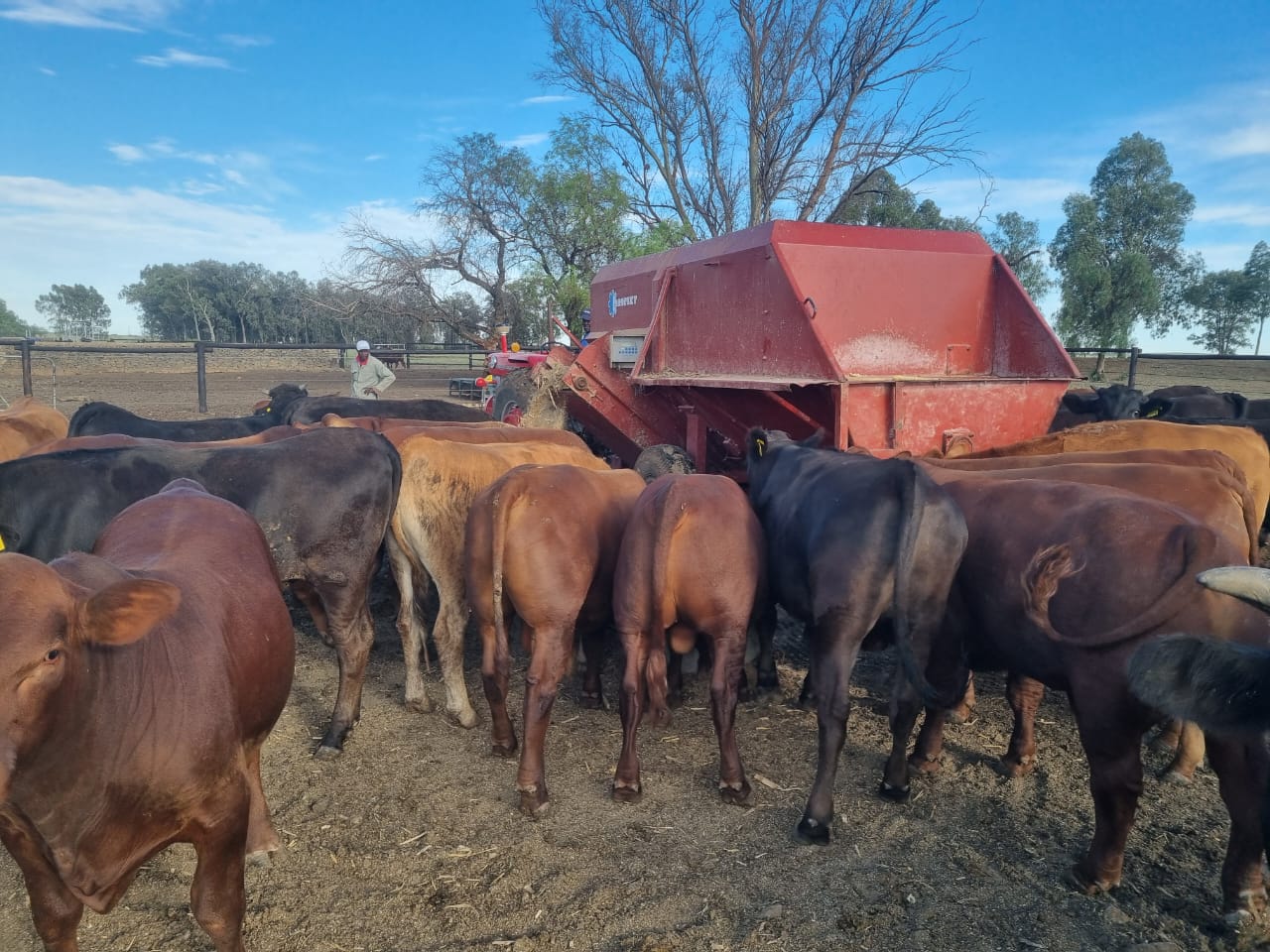
As South Africa continues to battle the Foot and Mouth Disease (FMD) outbreaks in 2025, the ramifications extend beyond the immediate agricultural sector, significantly impacting transportation logistics, trade relations, and biosecurity protocols.
Disruptions in Livestock Transport
The movement of livestock has been severely restricted in several provinces, particularly KwaZulu-Natal, where the majority of outbreaks have been reported. These restrictions have led to delays and increased costs in transporting animals to slaughterhouses, markets, and processing facilities. For instance, the quarantine measures at Karan Beef’s Heidelberg feedlot have disrupted beef supply chains, affecting both domestic markets and export commitments.
Trade Restrictions and Economic Impact
The spread of FMD has led to trade bans from key international markets, including China, Namibia, and Zimbabwe. These bans have not only affected beef exports but have also had a cascading effect on related industries, such as feed production and veterinary services. The economic impact is profound, with calls from industry stakeholders for the government to declare a “state of disaster” to mitigate financial losses.
Strengthening Biosecurity Measures
In response to the outbreaks, the South African government has implemented stringent biosecurity measures, including the establishment of Disease Management Areas (DMAs) and the enforcement of movement control protocols. These measures aim to prevent the further spread of the disease and protect unaffected regions. For example, the Eastern Cape and Limpopo provinces have lifted their DMAs following successful containment efforts, while KwaZulu-Natal remains under strict surveillance due to ongoing risks.
Future Outlook
Looking ahead, the South African government and industry stakeholders are focusing on enhancing vaccine production capabilities and improving surveillance systems to better manage future outbreaks. The development of a mid-scale vaccine production facility, expected to be operational by March 2026, is a significant step towards self-reliance in combating FMD.
In conclusion, the FMD outbreaks in South Africa serve as a stark reminder of the interconnectedness of agriculture, transportation, and trade. A coordinated approach involving stringent biosecurity measures, rapid response strategies, and international cooperation is essential to mitigate the impacts of such outbreaks and safeguard the nation’s agricultural and economic interests.
Keep Reading
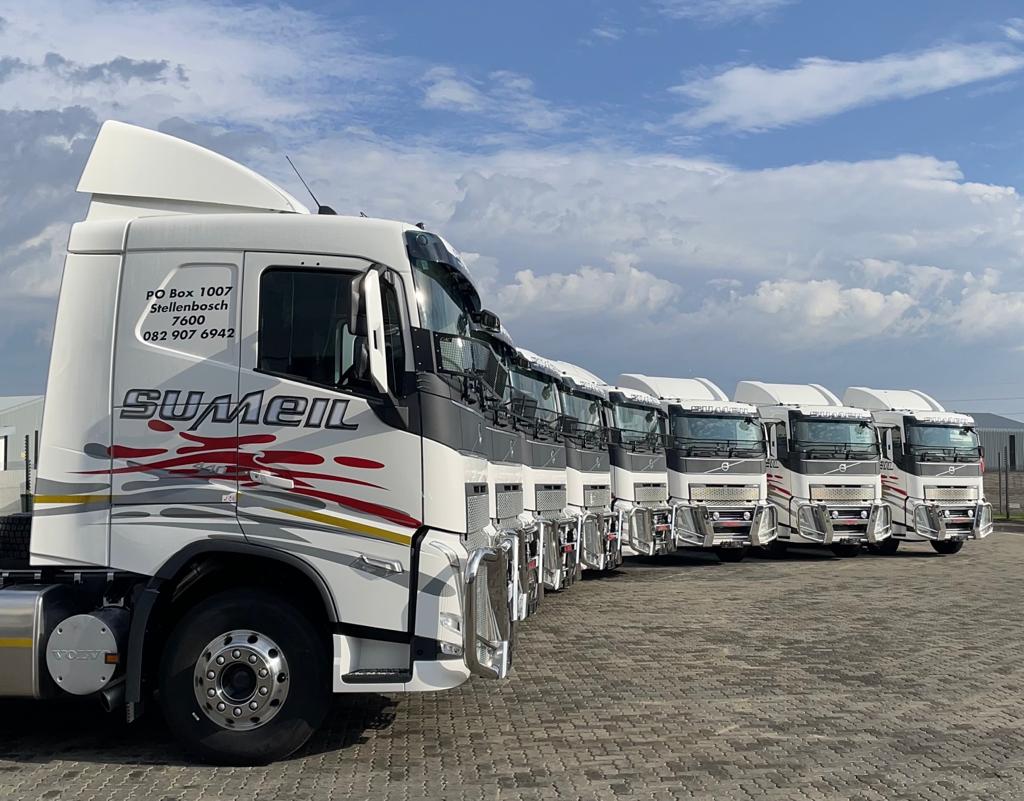
Discover how Sumeil delivers tailored transport solutions for South African farmers — from side tipper trailers to livestock welfare — with year-round reliability and nationwide reach.

Discover how Sumeil ensures top-quality maize and wheat delivery across South Africa using tipper trailers and grain handling best practices.
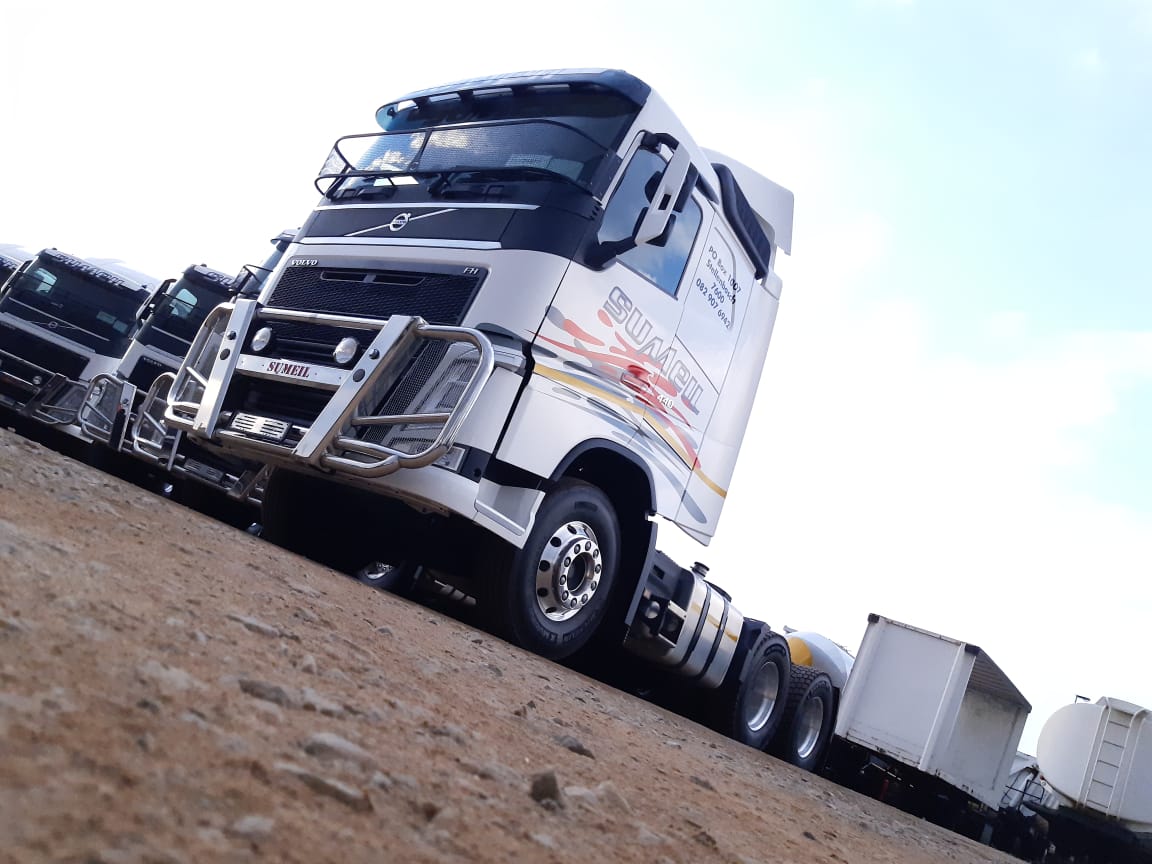
Discover how custom agricultural transport solutions improve efficiency, reduce costs, and ensure safe delivery of livestock, grains, and perishables. Learn about specialized trailers, tipper trucks, and cold chain logistics for South African farmers.
