
Ensuring Safe and Compliant Livestock Transport in South Africa: A Guide for Farmers and Transporters
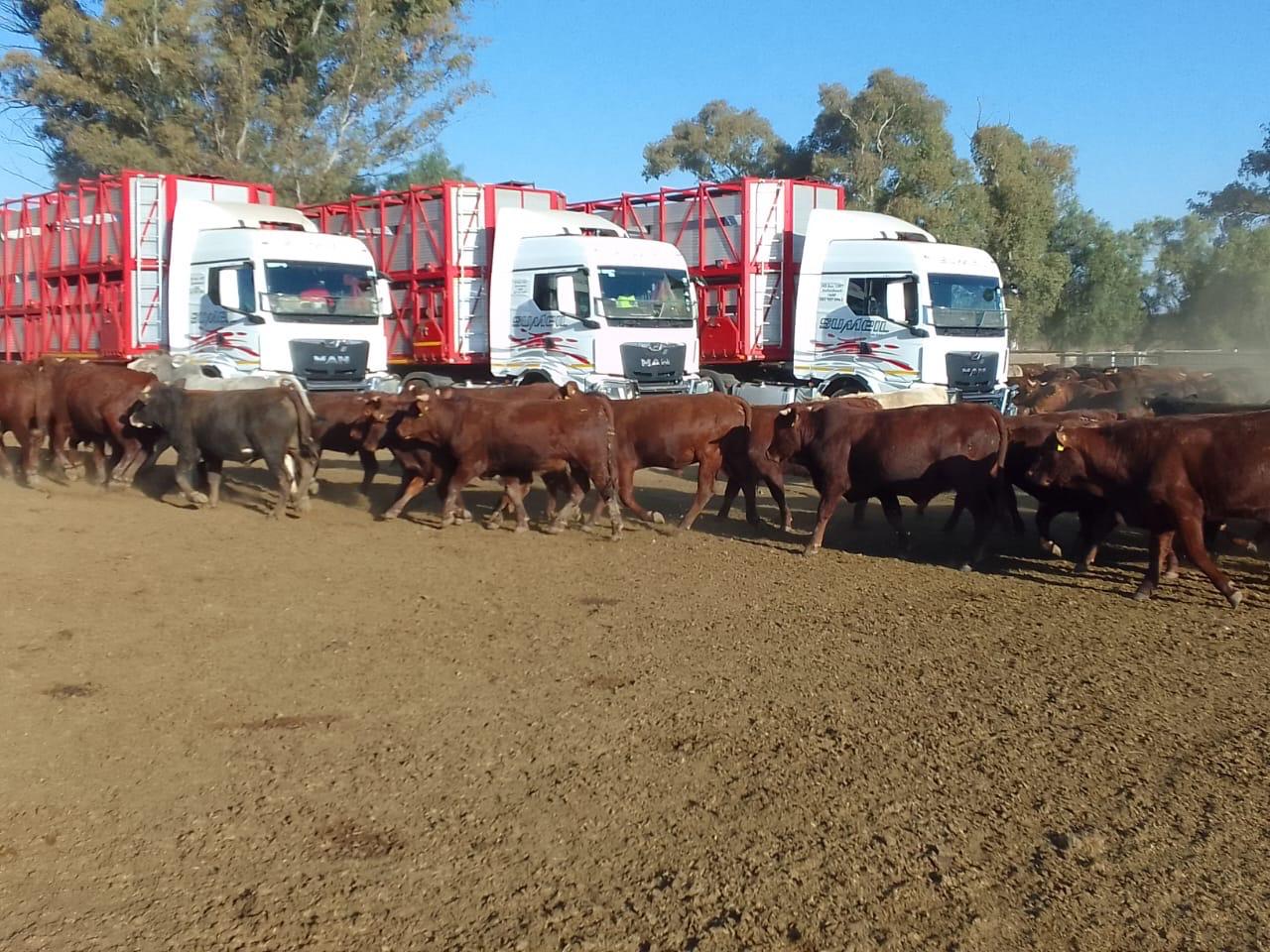
Transporting livestock in South Africa is a critical component of the agricultural supply chain, ensuring animals reach markets, abattoirs, and feedlots safely and efficiently. However, this process is governed by stringent regulations designed to protect animal welfare, public health, and the environment. Understanding and adhering to these regulations is essential for farmers and transporters to operate legally and ethically.
Understanding Livestock Transport Regulations
In South Africa, the transportation of live animals is regulated to prevent cruelty and ensure public safety. Key regulations include:
- Livestock Movement Permits: A permit is required for transporting animals between farms, markets, or abattoirs. This ensures traceability and biosecurity.
- Vehicle Standards: Vehicles used for transporting livestock must be designed to prevent injury and stress. They should be well-ventilated, have non-slip floors, and be easy to clean.
- Driver Training: Drivers must be trained in animal handling and emergency procedures to minimize stress and injury to animals.
- Rest Periods: Livestock must be given adequate rest during transport. For instance, cattle can be transported for up to 29 hours with a one-hour break, while pigs can be transported for 24 hours without a break.
Importance of Compliance
Non-compliance with livestock transport regulations can lead to:
- Legal Penalties: Fines and sanctions for failing to adhere to regulations.
- Animal Welfare Issues: Stress, injury, or death of animals due to improper handling or transport conditions.
- Market Access Restrictions: Countries may impose bans on South African livestock exports if regulations are not met.
Best Practices for Livestock Transport
To ensure safe and compliant transport:
- Pre-Transport Planning: Assess the route for potential hazards and plan for rest stops.
- Vehicle Inspection: Ensure vehicles are in good condition, clean, and suitable for the type of livestock being transported.
- Loading and Unloading: Handle animals gently, avoid overcrowding, and provide adequate space.
- Monitoring: Use GPS tracking and cameras to monitor the transport process and ensure compliance.
Role of Transporters
Transporters play a vital role in the livestock supply chain. Their responsibilities include:
- Maintaining Vehicle Standards: Regular maintenance and cleaning of vehicles.
- Ensuring Compliance: Adhering to all regulations and obtaining necessary permits.
- Providing Training: Ensuring drivers are trained in animal welfare and emergency procedures.
Challenges in Livestock Transport
Some challenges faced in livestock transport include:
- Disease Outbreaks: Events like foot-and-mouth disease outbreaks can disrupt transport and trade.
- Infrastructure Limitations: Poor road conditions and lack of facilities can hinder efficient transport.
- Regulatory Changes: Keeping up with evolving regulations can be challenging for farmers and transporters.
Conclusion
Ensuring safe and compliant livestock transport is crucial for the well-being of animals, the safety of the public, and the success of the agricultural industry. By understanding and adhering to regulations, and implementing best practices, farmers and transporters can contribute to a sustainable and ethical livestock supply chain.
For more information on livestock transport regulations and best practices, visit the official Department of Agriculture website. Stay informed and ensure your operations comply with the latest standards.
Keep Reading
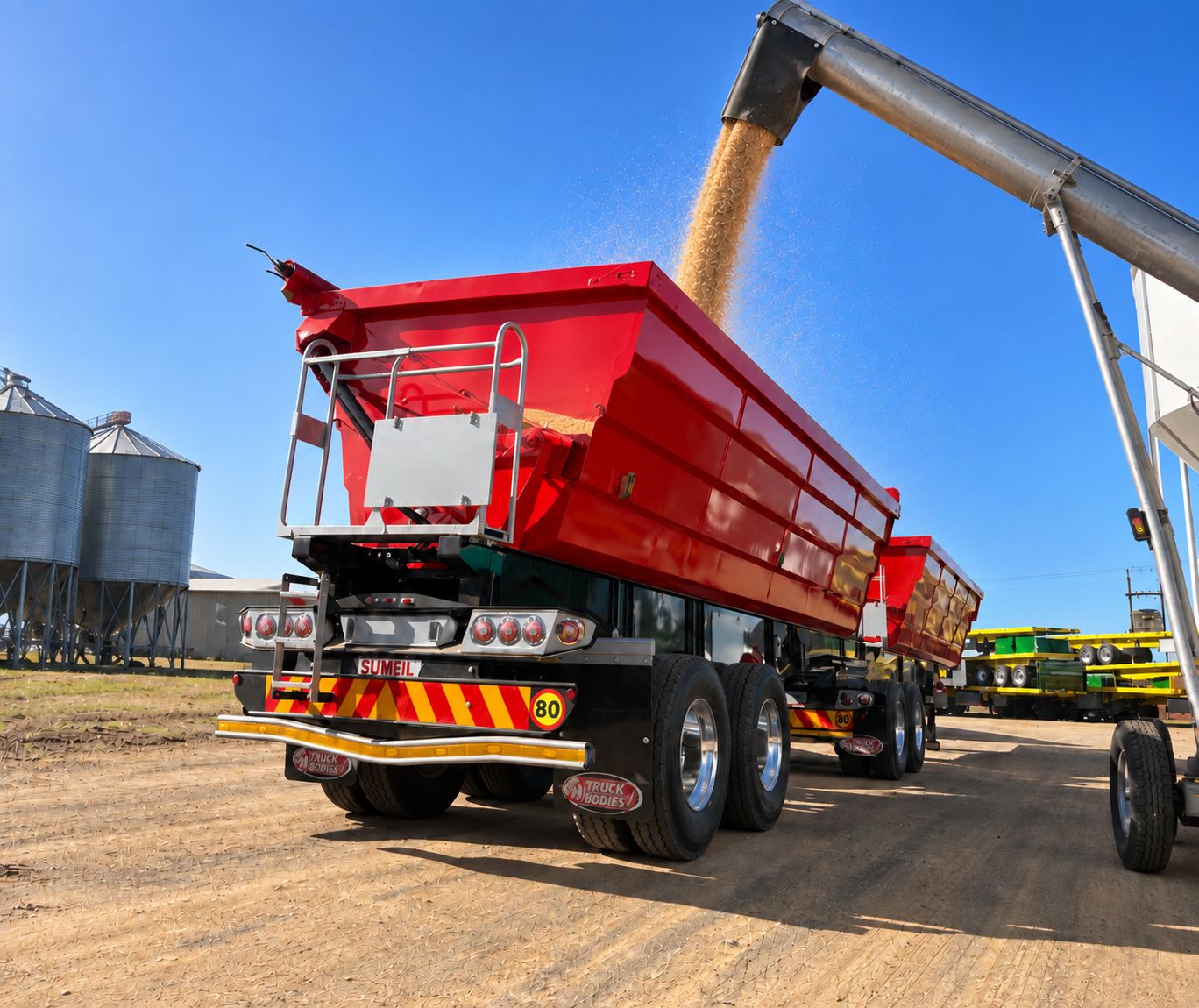
Summer brings changing road conditions and transport demands. See why early planning matters for grain, livestock and agricultural freight.

Avoid costly delays and breakdowns with these 10 common agricultural transport mistakes. Practical tips to improve efficiency during harvest.
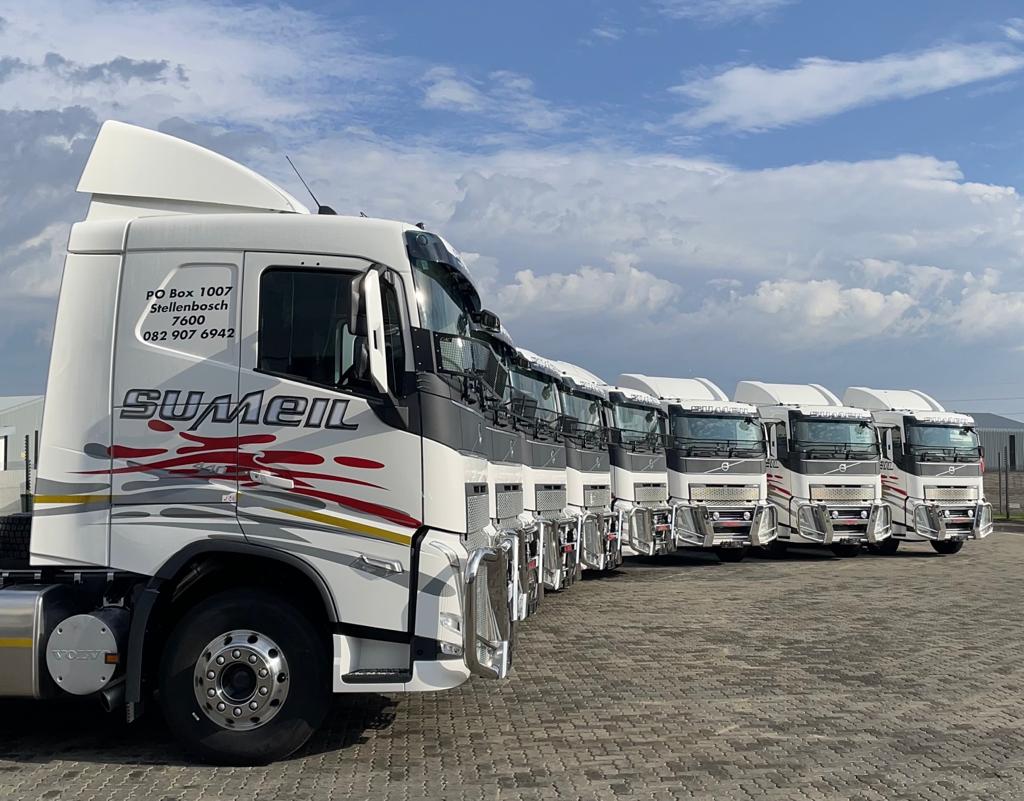
Discover how Sumeil delivers tailored transport solutions for South African farmers — from side tipper trailers to livestock welfare — with year-round reliability and nationwide reach.
