
Bulk Grain Transport in the Free State: Best Practices & Compliance for 2025
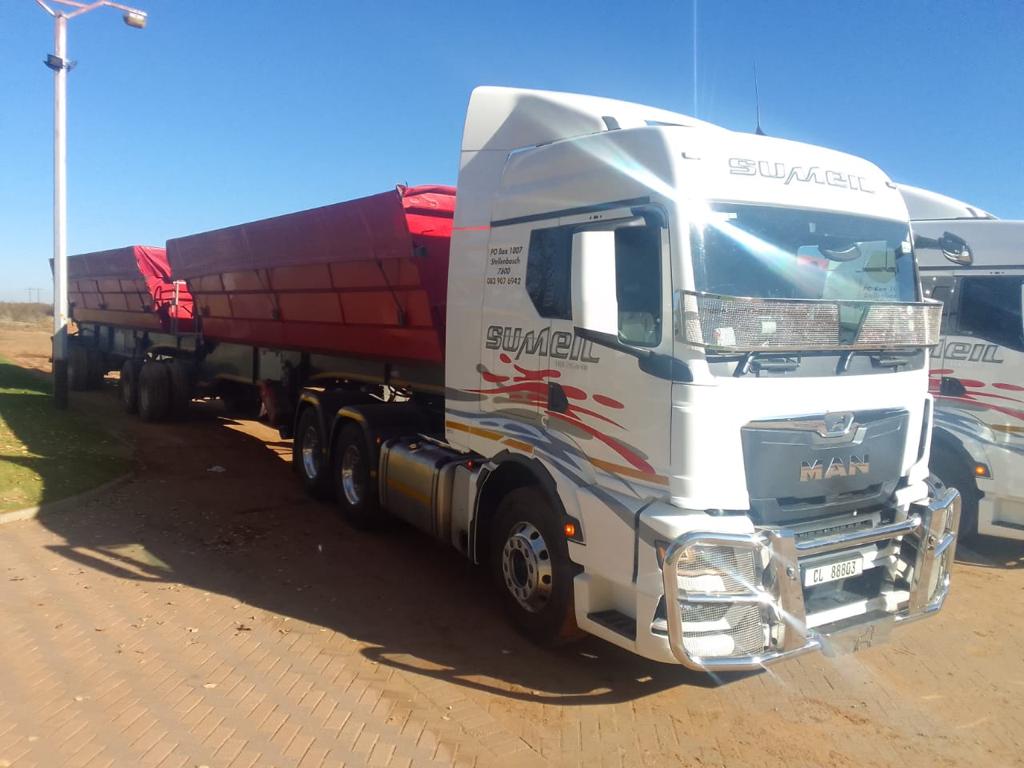
Transport is often the last step in the grain supply chain, but it is one of the most critical. A successful harvest loses value if grain cannot reach mills, silos, buyers, or ports in a safe, compliant, and time-efficient manner. In the Northern Free State, where maize production is one of the region’s economic powerhouses, bulk transport is a daily operation with high stakes.
For both farmers and logistics providers, 2025 brings updated expectations in safety, traceability, efficiency, and environmental performance. At Sumeil, we believe the right transport partner is not just a carrier — but a strategic advantage.
This guide covers the essential best practices for bulk grain transport in the Free State, plus the compliance standards every operator must meet in 2025 and beyond.
The Role of the Free State in South Africa’s Grain Movement
The Free State is the heart of South African maize production. Every year:
- 50%+ of South Africa’s maize harvest is produced here
- Much of it is transported north to processing hubs
- Export routes require long-haul movement to Durban and Gqeberha ports
Transport demand peaks during:
- Late summer to early winter (harvest + silo intake)
- Seasonal market shifts and export demand cycles
With distances often over 600 km per trip, reliability and timing become absolutely crucial.
What Makes Bulk Grain Transport Different?
Grain transport is highly regulated and sensitive. Transporters must ensure:
- Cleanliness — contamination risk is high
- Load integrity — grain must remain dry and secure
- Safe handling — to avoid losses on route
- Traceability — silo-to-destination documentation
Unlike pallets in general freight, grain is a free-flowing commodity. That means:
- Different loading/unloading systems (silos, augers, side-tippers)
- Different safety precautions (spillage, rollover risk)
- Strict weight distribution to avoid road damage & fines
Efficient logistics reduces:
✅ Total haulage cost per tonne
✅ Queue times at silos
✅ Quality downgrades caused by moisture or delays
Fleet Choices: The Right Trailer Makes All the Difference
Sumeil’s fleet includes side-tipper trailers specifically designed for agricultural bulk transport. Here’s why they are ideal:
| Feature | Benefit |
| High-volume load capacity | More tonnes per trip = better value |
| Fast offloading | Reduced silo turnaround times |
| Stable design | Lower rollover risk vs. rear-tippers |
| Easy cleaning interiors | Reduced contamination risk |
| Versatility | Maize, wheat, soya, fertiliser, and by-products |
Fleet reliability is fundamental. Breakdowns reduce not only time — they reduce grain grade and financial return.
Best Practices for Bulk Grain Transport in 2025
1️⃣ Reduce Loading & Queuing Delays
Time is money — and quality.
Sumeil uses:
- Scheduled loading coordination with silo managers
- GPS fleet tracking for better arrival timing
- Driver communication systems to avoid bottle-necks
2️⃣ Protect Grain from Environmental Risks
Moisture causes:
- Fungal growth
- Quality downgrades
- Weight loss (financial loss)
We enforce:
- Tarpaulin checks
- Load securing procedures
- Rapid dispatch from wet loading points
3️⃣ Zero-Tolerance on Contamination
Even small residue from previous loads can spoil grain.
We follow:
- Documented trailer cleaning logs
- Regular inspections before loading
- Sealed load controls when required
4️⃣ Weight Compliance & Axle Distribution
Load distribution is more important than just total weight.
We use:
- On-board load monitoring
- Weighbridge compliance checks
- Even flow loading procedures
This protects:
✅ road infrastructure
✅ vehicle safety
✅ clients from legal fines
5️⃣ Driver Training & Safety
Farm routes require special skill:
- Gravel roads
- Tight farmyard access
- Harvest season traffic
All Sumeil drivers are trained in:
- Agricultural load handling
- Defensive driving
- PPE requirements at silo facilities
Understanding Compliance in 2025: A Practical Guide for Farms & Fleets
Transport compliance in South Africa is constantly evolving. Here are the most important requirements:
Required Documentation
- Waybills or silo dispatch slips
- Client instructions & destination certificates
- PPE compliance for loading zones
- Moisture testing/grade documentation where applicable
Vehicle Safety Compliance
| Requirement | Why it matters |
| Roadworthy certificates | Safety & legal transport |
| Tyre condition logs | Prevent blowouts under load |
| Working tarpaulins | Protect grain quality |
| Fire extinguishers | High-lignin biomass risk |
| Reflective markers & lighting | Required for night transport |
Regulatory Standards
- Maximum permissible axle loads
- Hazard signage if transporting treated or fumigated grain
- Driver PrDP (Professional Driving Permit)
- Compliance with Agricultural Produce Standards Act where relevant
Sumeil maintains compliance proactively, not reactively.
Traceability: Technology Improving Every Trip
Farmers increasingly require proof of:
- Delivered tonnage
- Delivery timing
- Route taken
- Handling conditions
Tech enables:
✅ Proof of delivery accuracy
✅ Reduced disputes
✅ Optimised route efficiency
✅ Transparency for auditors and buyers
With GPS tracking and digital load records,
our customers always know:
Where their grain is, and when it will arrive.
The Impact of Transport on Grain Quality & Profitability
Transport costs can equal 15–30% of the crop’s market value.
Every small decision counts:
- Efficient loading preserves margins
- Reduced spillage protects profitability
- Moisture & grading protection prevents price drops
- Quick turnaround allows more trips and lower cost per tonne
Sumeil follows a principle:
Every kilometre should protect value, not destroy it.
The Road to Export: Ports and Processing
Free State grain frequently travels to:
- Durban
- Gqeberha
- Gauteng milling hubs
Export standards require:
- Container cleanliness certificates
- Traceability records
- Grain quality documentation
A logistics partner with export experience simplifies the complex paperwork and timing demands.
Environmental Responsibility: A New Expectation
Transport contributes to agricultural carbon footprint.
Sumeil is implementing:
- Route planning to reduce empty return trips
- Regular fleet service for fuel efficiency
- Load maximisation to reduce emissions per tonne transported
Sustainability is no longer just a selling point —
it’s a requirement from many commercial buyers.
Choosing the Right Transport Partner
Here’s what to look for when contracting a transport service:
| Essential Factor | Why |
| Fleet specialisation in bulk grain | Safer loading & unloading |
| Driver training for agriculture | Fewer incidents at silos |
| Full regulatory compliance | Protects farm reputation |
| Communication & tracking tools | No uncertainty |
| Cleanliness & documentation | Grain quality assurance |
| Fair pricing with transparency | Cost control without compromise |
A transporter is part of the farm’s brand once product leaves the gate.
Choose one that protects your reputation.
Sumeil’s Commitment to Free State Agriculture
We operate from:
- Hennenman, Northern Free State
- Stellenbosch, Western Cape
This gives us unique national mobility to:
- Serve major grain production regions
- Connect to inland & port terminals
- Support multi-season logistics year-round
Our advantage:
- Agriculture-focused fleet
- Practical experience on farms & silos
- Reliability built over years in the field
We’re proud to be a logistics partner that farmers trust with their harvest’s last kilometre.
Final Thoughts: Moving Grain Forward, Together
Efficient transport creates:
✅ Better profits
✅ Stronger supply chains
✅ Higher-quality food
✅ A more resilient Free State economy
As agriculture evolves, logistics must lead innovation — not lag behind.
With the right transport strategy and compliant operations:
South African farmers can compete not just locally,
but on the global stage.
Connect With Sumeil
Need transport for your 2025 harvest?
Our team is ready to help.
📍 Hennenman & Stellenbosch, South Africa
🚚 Bulk grain, agricultural supplies & livestock transport
📞 Contact us for bookings, pricing, or long-term partnerships
Let’s move South African agriculture forward — safely and sustainably.
Keep Reading
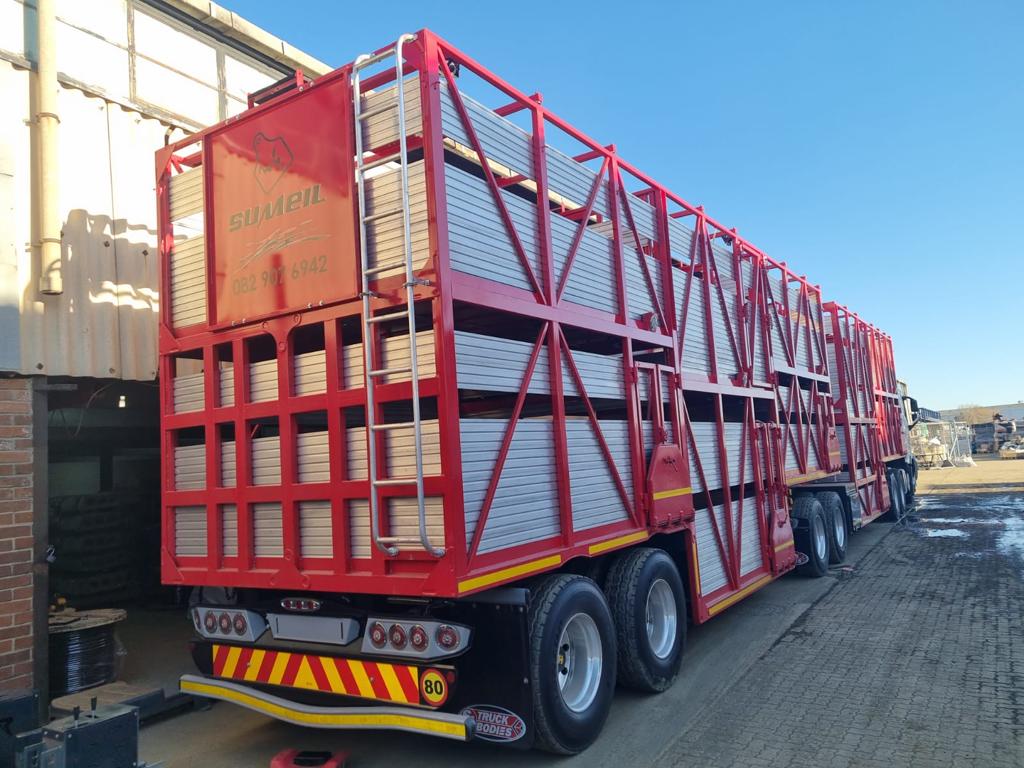
Agricultural transport logistics forms the backbone of South Africa’s farming economy. Whether moving maize from inland Free State farms to coastal silos, transporting cattle across...
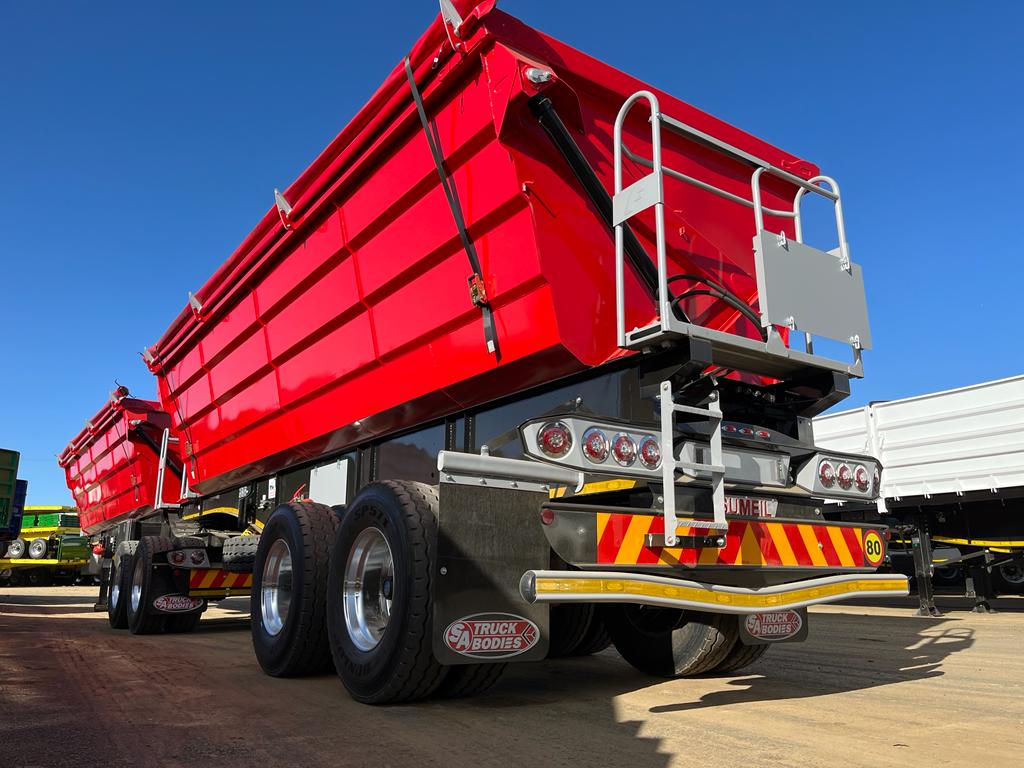
Discover how tipper trailers boost harvest efficiency, reduce grain loss, and support year-round transport for South African farmers.
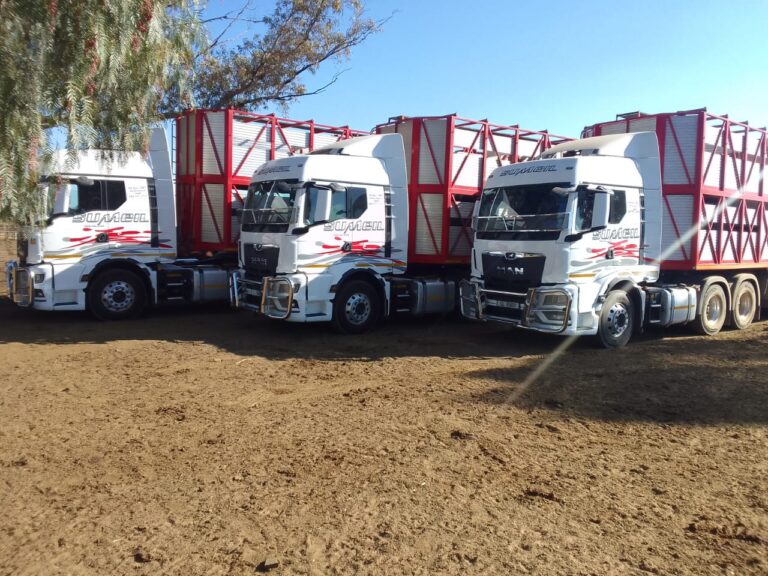
Understand the legal load limits for agricultural transport in South Africa. Learn how staying compliant protects your harvest, avoids fines, and ensures smooth logistics.
