
10 Common Mistakes in Agricultural Transport (and How to Avoid Them)

Agricultural transport is one of the most time-sensitive parts of the farming cycle. When harvest starts, there’s no room for delays, breakdowns, or poor planning—every hour counts.
Yet many costly issues in transport don’t come from major failures, but from small, avoidable mistakes.
Here are 10 of the most common agricultural transport mistakes—and how to avoid them.
1. Overloading Trailers
Overloading might seem like a way to reduce trips, but it puts serious strain on trailers, tyres, and braking systems. It also increases the risk of fines and accidents.
How to avoid it:
Stick to legal load limits and ensure proper weight distribution. A well-balanced load is safer, more efficient, and reduces wear on equipment.
2. Poor Tarping and Load Protection
Loose or poorly secured tarps can lead to crop loss, contamination, or damage from weather conditions.
How to avoid it:
Always secure tarps properly before departure and check them during long trips. This is especially critical during windy conditions.
3. Ignoring Tyre Condition
Worn or underinflated tyres are one of the leading causes of breakdowns during transport—often at the worst possible time.
How to avoid it:
Inspect tyres regularly for wear, pressure, and damage. Replace them before they become a risk, not after.
4. Inadequate Pre-Trip Inspections
Skipping basic checks can result in unexpected mechanical failures on the road.
How to avoid it:
Implement a simple pre-trip checklist that includes:
- brakes
- lights
- hydraulics
- couplings
- fluid levels
A few minutes of inspection can prevent hours of downtime.
5. Poor Route Planning
Not all roads are suitable for heavy agricultural loads. Narrow roads, poor surfaces, or unexpected traffic can cause major delays.
How to avoid it:
Plan routes in advance, taking into account:
- road conditions
- distance
- traffic patterns
- access to loading and offloading points
6. Lack of Coordination During Harvest
Transport delays often come from poor communication between farmers, drivers, and loading teams.
How to avoid it:
Ensure clear scheduling and communication. Everyone involved should know:
- loading times
- delivery points
- expected turnaround times
7. Running Equipment Without Proper Maintenance
Hydraulic systems, especially on side tippers, are critical. Neglecting maintenance can lead to costly failures and safety risks.
How to avoid it:
Follow a consistent maintenance schedule. Regularly check:
- hydraulic lines
- seals
- lifting mechanisms
Preventative maintenance is far cheaper than emergency repairs.
8. Underestimating Turnaround Time
Delays at silos, loading zones, or weighbridges can quickly create bottlenecks.
How to avoid it:
Build buffer time into your planning. Efficient transport isn’t just about speed—it’s about realistic scheduling.
9. Using the Wrong Trailer for the Job
Different loads require different equipment. Using the wrong trailer can lead to inefficiencies, damage, or safety risks.
How to avoid it:
Match the trailer to the load:
- side tippers for bulk commodities like maize
- cattle trailers for livestock
- tautliners for palletised goods
10. Focusing Only on Cost, Not Reliability
Choosing the cheapest transport option often leads to higher costs in the long run due to delays, breakdowns, or poor service.
How to avoid it:
Prioritise reliability and experience. Consistent, dependable transport ensures your product reaches its destination on time and in good condition.
Final Thoughts
Agricultural transport is a high-pressure environment where small mistakes can quickly turn into expensive problems. By focusing on proper planning, maintenance, and coordination, these risks can be significantly reduced.
At Sumeil Transport, the focus is on reliability, efficiency, and understanding the real demands of agricultural logistics—especially during peak harvest periods.
Avoiding these common mistakes isn’t just about saving money—it’s about keeping your entire operation running smoothly when it matters most.
Keep Reading
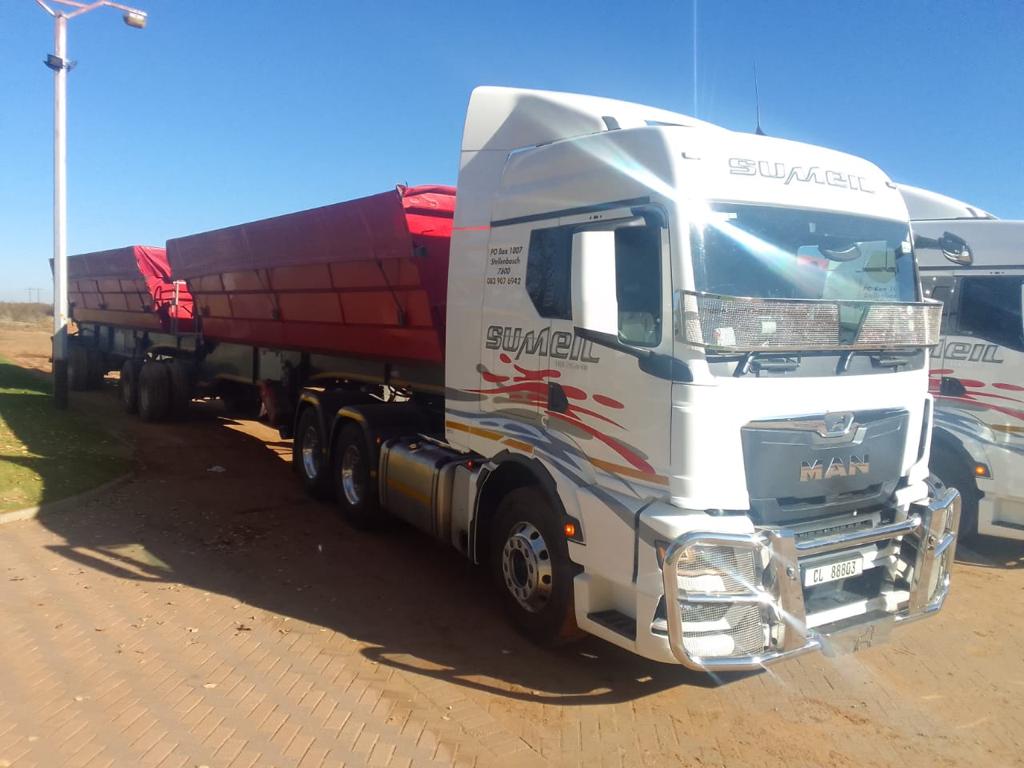
Transport is often the last step in the grain supply chain, but it is one of the most critical. A successful harvest loses value if...
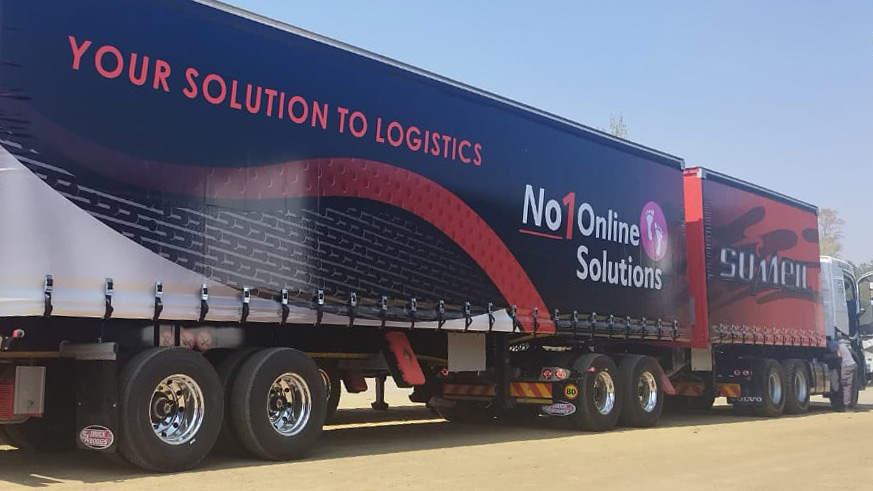
Tautliner trailers are one of the most versatile and widely used trailer types in modern road freight. Whether you’re an owner-driver, fleet manager, logistics coordinator,...
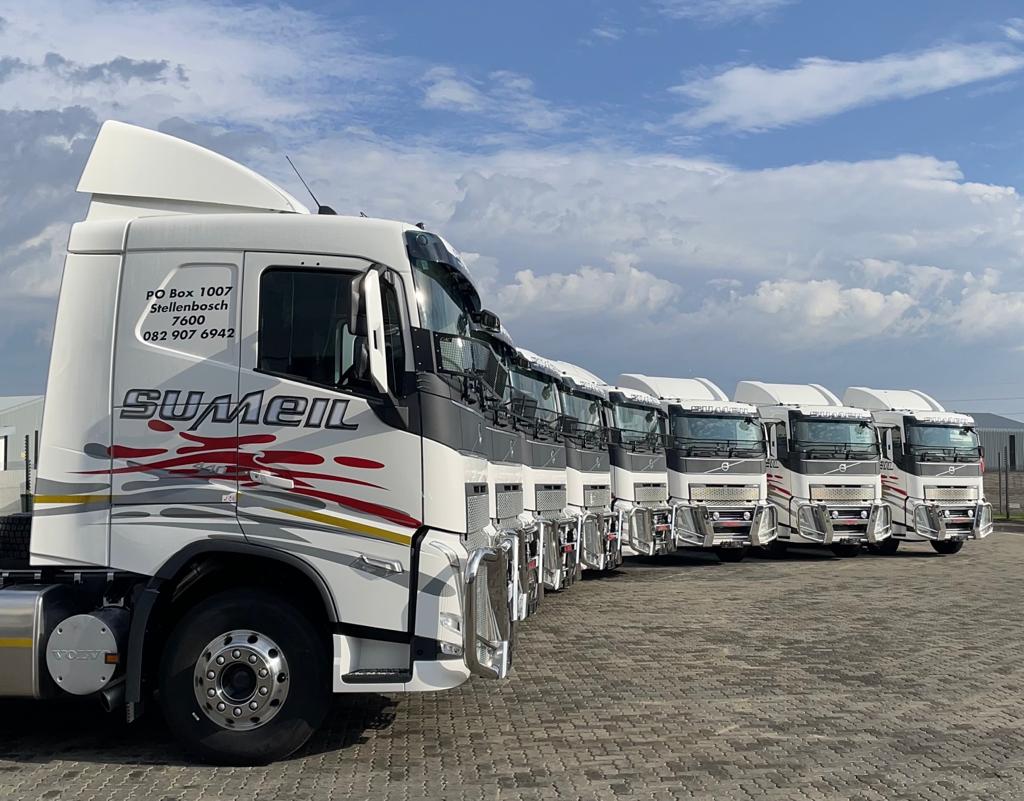
Discover how Sumeil delivers tailored transport solutions for South African farmers — from side tipper trailers to livestock welfare — with year-round reliability and nationwide reach.
