
Why the Right Trailer Matters in Agricultural Transport
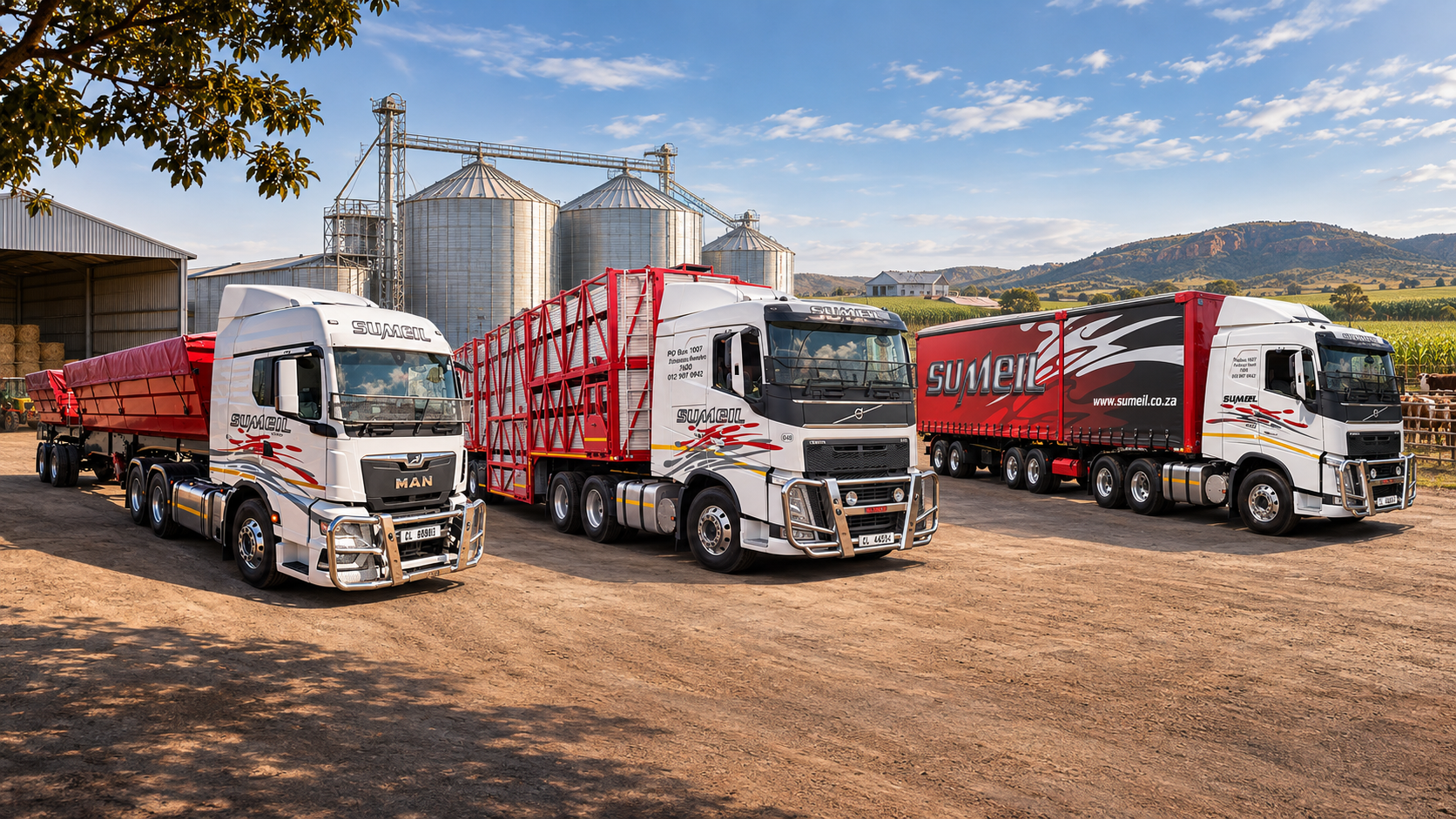
Transporting agricultural products involves much more than moving goods from one destination to another.
Different types of cargo have different handling requirements, and selecting the correct transport equipment can influence everything from loading efficiency to product protection and delivery reliability.
Whether transporting grain, livestock or palletised agricultural supplies, the trailer used for the journey plays an important role in the overall transport operation.
For agricultural businesses across South Africa, understanding these differences can help improve planning and reduce unnecessary complications.
Different Agricultural Loads Require Different Solutions
Agricultural transport covers a wide range of products, each with its own characteristics.
Bulk grain needs to be handled differently from livestock, while palletised goods may require additional protection from weather conditions and movement during transit.
Using suitable equipment helps transport operators load and unload more efficiently while taking the specific requirements of the cargo into account.
It also allows farmers and businesses to plan deliveries more effectively, particularly during busy periods when transport availability can affect daily operations.
Side Tipper Trailers for Bulk Agricultural Products
Side tipper trailers are commonly used to transport bulk products such as maize, wheat and other suitable loose materials.
Their main advantage is the ability to discharge loads through a tipping mechanism, reducing the need for extensive manual unloading.
This can be particularly useful at facilities designed to receive bulk agricultural commodities.
However, efficient transport also depends on suitable loading and offloading conditions.
Operators need to consider factors such as ground stability, available space, load distribution and the requirements of the receiving facility.
A trailer that is well suited to the product and destination can help reduce delays and keep deliveries moving.
Aluminium Cattle Trailers for Livestock
Transporting cattle introduces a different set of responsibilities.
Unlike bulk commodities, livestock must be transported in conditions that take animal welfare and safety into account.
Purpose-built cattle trailers are designed to accommodate live animals while providing suitable ventilation, internal divisions and features that support safe loading and unloading.
Aluminium construction offers the advantage of relatively low weight while maintaining structural strength.
However, the trailer itself is only one part of responsible livestock transport.
Proper stocking density, calm handling, journey planning and the condition of the animals all influence transport outcomes.
During South Africa’s warmer months, attention to ventilation, weather conditions and journey timing becomes particularly important.
Tautliner Trailers for Flexible Freight Transport
Not every agricultural product can be transported as a loose bulk load.
Certain goods are better suited to palletised or packaged transport, where protection and accessibility are important considerations.
Tautliner trailers, also known as curtain-sided trailers, provide an enclosed transport solution with flexible access from the sides.
This design can be useful when transporting suitable packaged agricultural products, machinery components and other general freight.
Because the curtains can be opened for loading, these trailers offer practical advantages at facilities where goods are handled using forklifts.
Correct load restraint remains essential, as the curtains themselves are not a substitute for properly securing cargo.
Matching the Trailer to the Journey
Selecting a trailer involves more than identifying the type of product being transported.
Other important considerations include the weight and volume of the load, the distance to be travelled, road conditions and the loading facilities available at both ends of the journey.
Agricultural operations often involve rural roads, farm entrances and destinations with limited manoeuvring space.
Understanding these conditions before dispatch can help operators avoid unnecessary delays and make better use of available vehicles.
Matching the right equipment to the job also supports safer operations and more predictable delivery schedules.
Reliable Transport Starts With the Right Equipment
Agricultural logistics depends on a combination of suitable vehicles, experienced drivers, effective planning and consistent maintenance.
At Sumeil Transport, our diversified fleet supports the needs of the agricultural industry through specialised trailer solutions for bulk commodities, livestock and other freight.
With operations based in Stellenbosch and Hennenman, we understand the importance of dependable transport in keeping agricultural businesses moving.
Choosing the appropriate equipment is an important first step towards delivering goods safely, efficiently and reliably.
Need agricultural transport assistance?
Contact Sumeil Transport to discuss your load requirements and find a suitable solution for your business.
Keep Reading
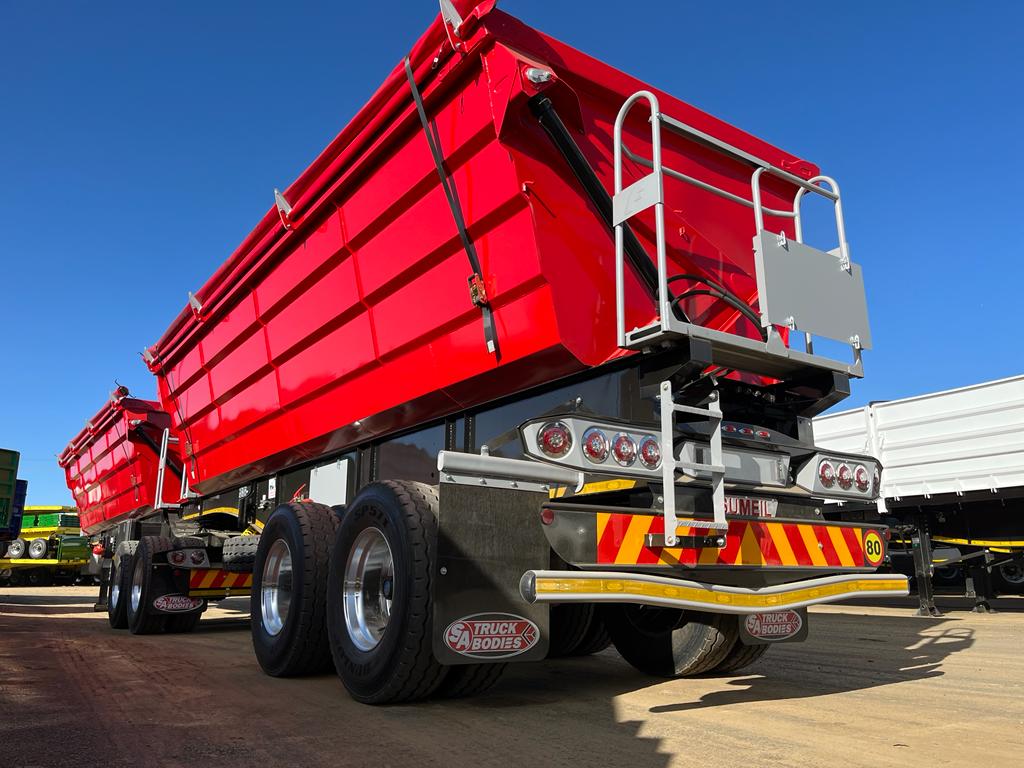
Agricultural transport logistics forms the backbone of South Africa’s farming economy. Whether moving maize from inland Free State farms to coastal silos, transporting cattle across...
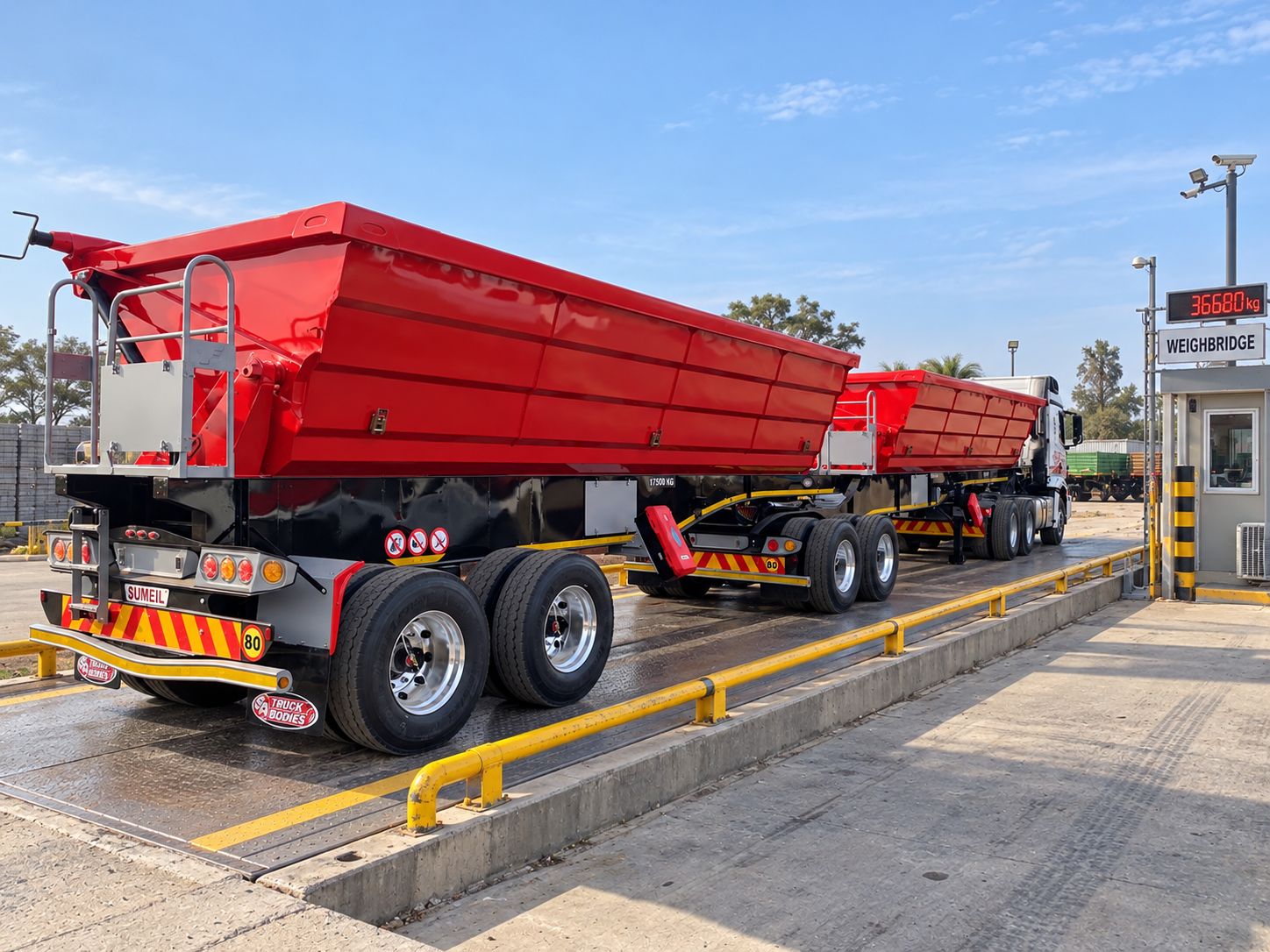
A truck can be loaded, secured and ready to leave the farm, but one important detail can still create problems before the delivery reaches its...
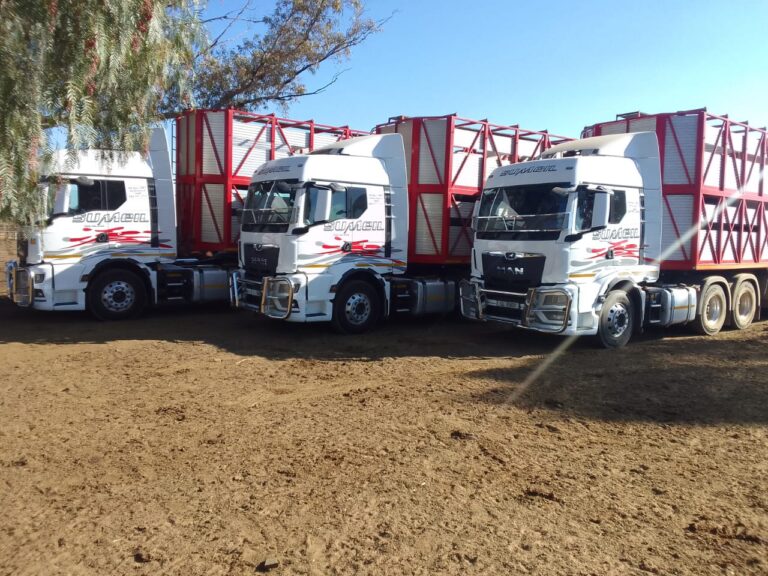
Understand the legal load limits for agricultural transport in South Africa. Learn how staying compliant protects your harvest, avoids fines, and ensures smooth logistics.
