
The Hidden Cost of Delayed Transport: Why Timing Matters More Than Price
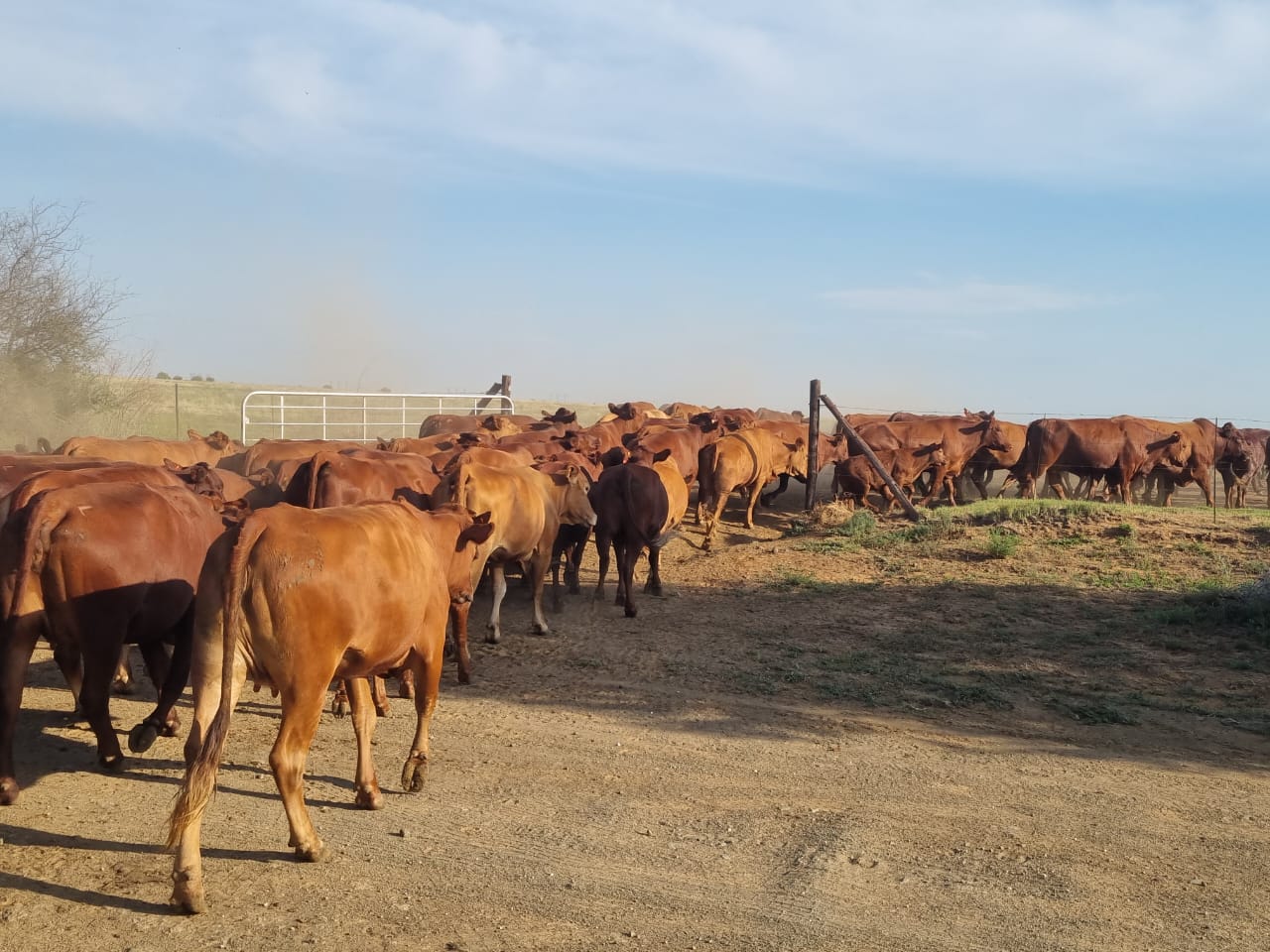
Effective agricultural transport timing is often one of the biggest overlooked factors affecting farm profitability.
When it comes to agricultural transport, most decisions are still made around one thing:
price per load.
But in reality, the biggest cost in transport isn’t the rate you pay.
It’s when you move.
Delays—whether planned or accidental—quietly erode margins in ways that aren’t always obvious at the time. By the time the numbers are clear, the opportunity is already gone.
This is where most producers lose money without realising it.
The Real Problem: Transport Is Treated as an Afterthought
In many operations, transport is only arranged once:
- The crop is ready
- The buyer is confirmed
- Or pressure starts building on storage
At that point, your options are limited:
- You take what trucks are available
- You accept the timing you’re given
- You pay whatever the market demands
And most importantly—
you lose control of timing.
Where Delayed Agricultural Transport Costs You Money
The impact of delayed transport isn’t always a direct expense. It shows up indirectly across your operation.
1. Storage Pressure and Compromised Decisions
When product sits too long:
- On-farm storage fills up
- Handling becomes rushed
- You’re forced to move product under pressure
This often leads to:
- Accepting lower prices
- Booking transport at peak rates
- Moving loads at suboptimal times
2. Quality Degradation (Especially Grain)
Time is not neutral when it comes to stored product.
Delays can lead to:
- Moisture fluctuations
- Increased risk of spoilage
- Contamination from repeated handling
Even small quality losses can result in:
Lower grading → lower price per ton
And that difference is often far greater than any saving on transport.
3. Missed Market Windows
Markets move faster than logistics.
If your product isn’t moving when:
- Prices peak
- Demand increases
- Buyers are actively sourcing
You don’t just delay income—
you miss the window entirely.
Waiting a week can mean:
- Lower contract prices
- Reduced negotiating power
- Lost opportunities with repeat buyers
4. Higher Transport Costs (Ironically)
Trying to “save” on transport often backfires.
Delays push you into:
- Peak demand periods (harvest congestion)
- Limited truck availability
- Urgent bookings
Which results in:
Higher rates than if you planned earlier
The Key Shift: Timing Is a Profit Lever
Most producers view transport as a cost to minimise.
The better approach is:
Treat transport timing as a tool to maximise profit.
That means asking:
- When should this product move for best return?
- What does a delay actually cost me per day?
- Is waiting improving my position—or weakening it?
A Practical Agricultural Transport Planning Framework
You don’t need complex systems—just a more structured approach.
Step 1: Define Your “Ideal Movement Window”
Before harvest or loading begins, identify:
- When buyers are most active
- When prices are historically strongest
- When logistics are least congested
This becomes your target window—not a last-minute decision.
Step 2: Align Transport Before You Need It
Booking transport early gives you:
- Better availability
- More predictable pricing
- Greater flexibility
It also removes the pressure-driven decisions that lead to poor outcomes.
Step 3: Quantify the Cost of Waiting
Instead of asking:
“Can I get a cheaper rate later?”
Ask:
“What is it costing me to wait?”
Factor in:
- Storage limitations
- Quality risk
- Market price movement
- Cash flow delays
In many cases, moving earlier at a slightly higher rate results in a better overall return.
Step 4: Avoid Reactive Transport Decisions
Reactive decisions usually happen when:
- Storage is full
- Buyers are pushing
- Conditions are changing quickly
At that point:
- You’re no longer negotiating
- You’re responding
And that’s when margins get squeezed.
Step 5: Work With a Transport Partner, Not Just a Supplier
A transport provider should do more than move loads.
They should help you:
- Plan around peak periods
- Anticipate delays
- Structure consistent movement schedules
This shifts transport from:
A last-minute cost
to
A planned part of your operation
The Bigger Picture
In agriculture, margins are often tight and conditions are unpredictable.
That’s exactly why timing matters.
Two producers can:
- Grow the same crop
- Achieve the same yield
- Sell into the same market
And still end up with very different results—
simply because one managed timing better than the other.
Final Thought
Transport isn’t just about getting product from point A to point B.
It’s about:
- Moving at the right time
- Protecting product value
- Supporting better financial outcomes
If timing is wrong, even the best price or the cheapest rate won’t fix the loss.
But when timing is right, transport becomes one of the simplest ways to protect—and improve—your margins.
Keep Reading

Transporting cattle is a routine part of modern livestock farming. Whether animals are being moved between grazing areas, transported to auctions, relocated to feedlots, or...
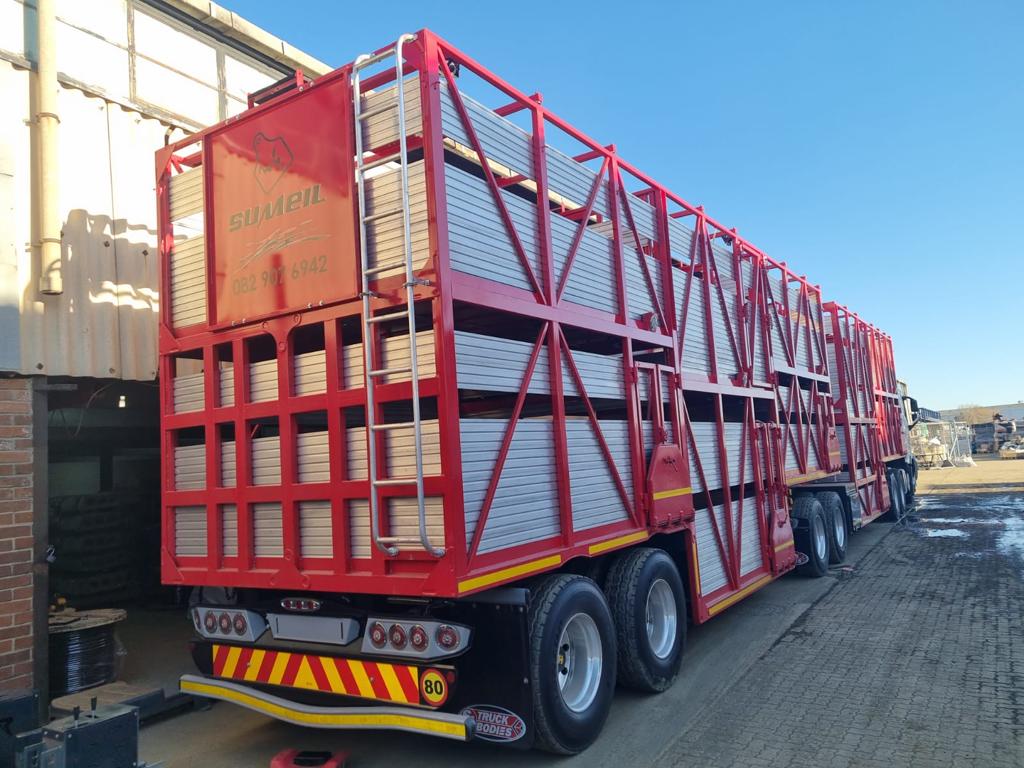
Discover key regulations and best practices for livestock transport in South Africa, ensuring compliance, animal welfare, and biosecurity.

Discover why aluminium livestock trailers are the top choice for efficient and safe cattle transport. Learn about their durability, lightweight design, and how they enhance transportation efficiency.
