
How Smallholder Farmers Can Benefit from Professional Transport Services
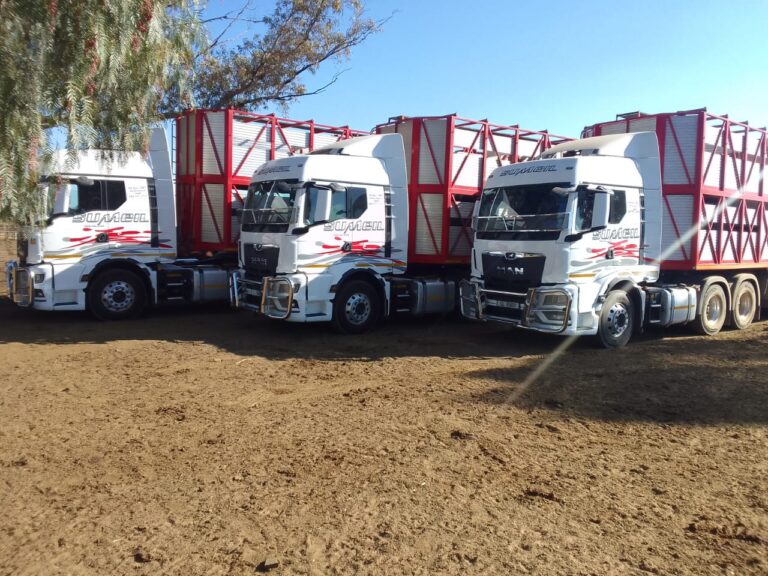
Smallholder farmers play a vital role in South Africa’s agriculture, producing food for local communities and supporting rural economies. Yet, many face logistical challenges that limit market access, reduce profits, and create unnecessary stress. Professional transport services can transform these challenges into opportunities, helping farmers deliver their crops and livestock safely, efficiently, and profitably.
1. Reliable Market Access for Smallholder Farmers
Transport is often the biggest bottleneck for small farms. Without efficient transport, produce may not reach buyers on time, causing financial loss. Professional transport services provide:
- Specialized vehicles for crops, grains, and livestock
- Timely delivery to local, regional, or national markets
- Consistent service that builds trust with buyers
By ensuring produce arrives in perfect condition, farmers can sell at better prices and expand their customer base.
2. Reducing Post-Harvest Losses
Improper transport can lead to spoilage, damage, or contamination. Professional transport helps:
- Protect perishable crops with temperature-controlled or secure vehicles
- Reduce handling damage with trained drivers and proper loading methods
- Minimize time on the road to preserve freshness
Even reducing losses by 10–15% can significantly improve profitability for smallholder farmers.
3. Livestock Transport with Care and Compliance
Livestock transport requires special attention to health and welfare. Benefits of professional services include:
- Trailers designed for animal safety, with proper ventilation and partitions
- Trained drivers who understand animal behavior
- Biosecurity measures to prevent disease spread
Healthy animals arrive in better condition, improving sales value and long-term herd productivity.
4. Cost Savings and Operational Efficiency
Many smallholder farmers assume self-transport is cheaper, but hidden costs are high. Professional transport offers:
- Optimized routes that save fuel and time
- Shared bulk transport, reducing cost per farm
- Focus on farming while logistics are handled by experts
Overall, professional transport maximizes farm efficiency and allows farmers to concentrate on production.
5. Access to Larger Markets and Higher Prices
Professional transport enables smallholder farmers to reach urban centers and wholesale buyers, leading to:
- Better pricing due to higher demand
- Diversification of customers, reducing reliance on local markets
- Long-term contracts through consistent, reliable delivery
With expanded reach, small farms can compete with larger producers on quality and reliability.
6. Supporting Sustainable Farming Practices
Professional transport also contributes to sustainability by:
- Reducing fuel consumption with fewer, optimized trips
- Minimizing waste through careful handling and timely delivery
- Promoting environmentally responsible practices in agriculture
This helps farmers meet sustainability goals while protecting their profits.
Conclusion
Professional transport services are more than just a convenience for smallholder farmers — they are a strategic tool for growth. From reducing loss and protecting livestock to expanding market access and increasing profitability, reliable logistics empower small farmers to thrive in a competitive agricultural landscape. Investing in professional transport solutions ensures that every harvest and every animal reaches its destination safely, efficiently, and profitably.
Keep Reading
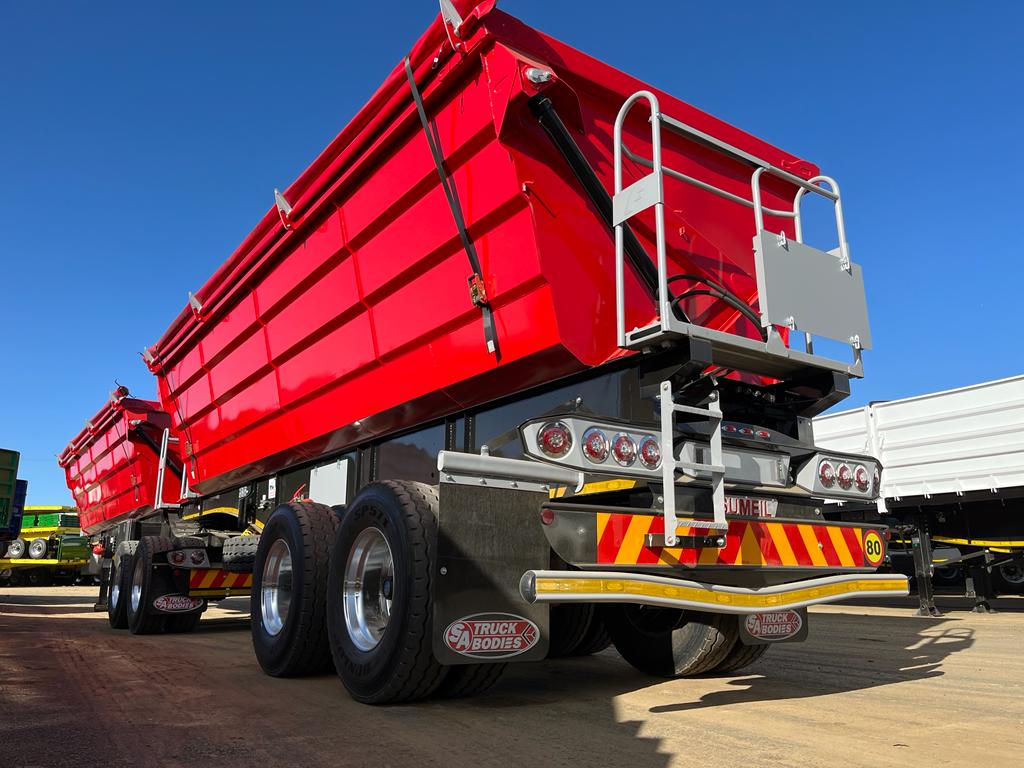
Efficient transport is a critical part of any successful farming operation. Whether it’s moving maize, soya beans, or other bulk commodities, getting your product to...
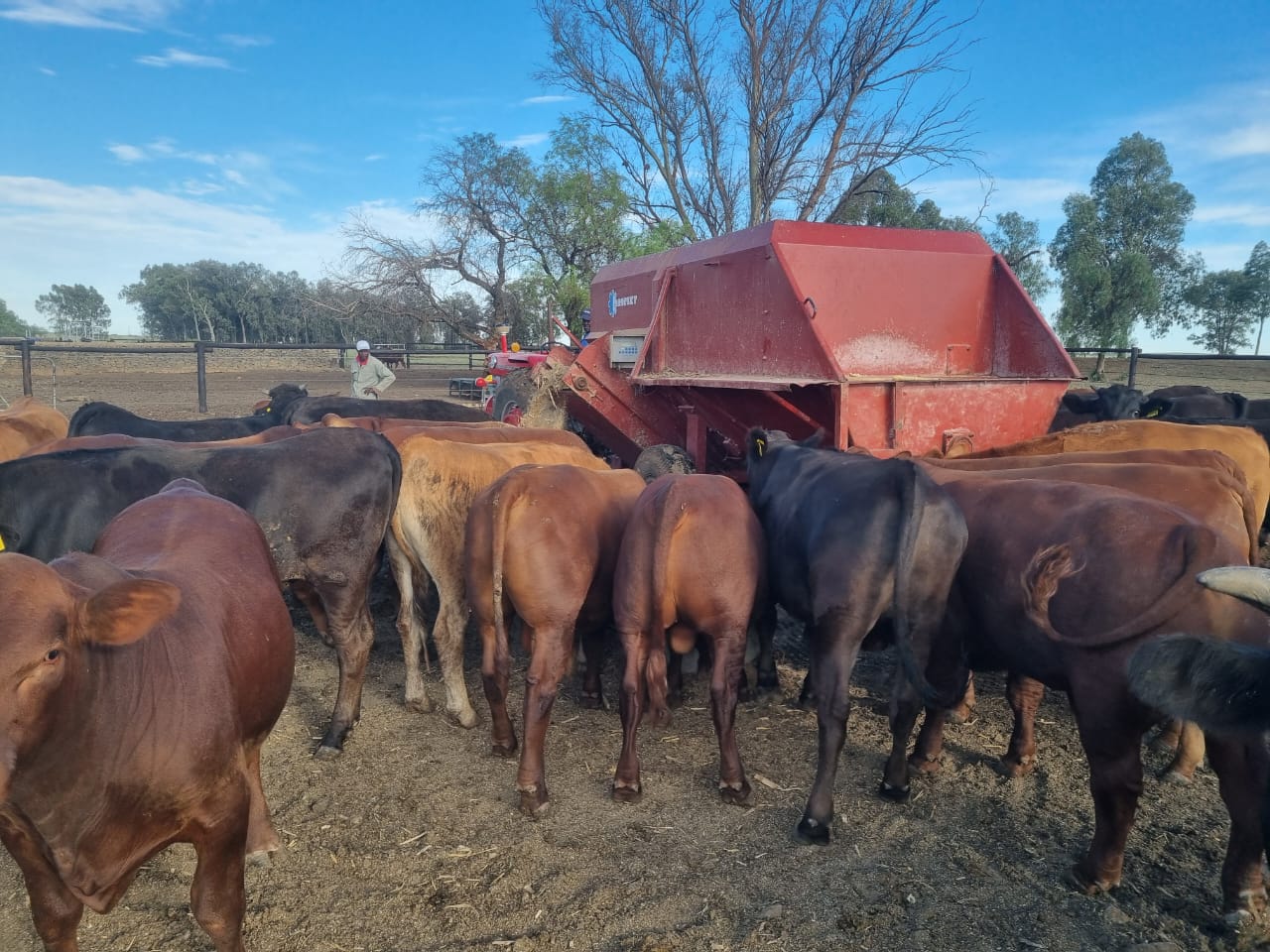
Explore the impact of Foot and Mouth Disease on livestock transport in South Africa. Learn about restrictions, biosecurity measures, and trade challenges in 2025.
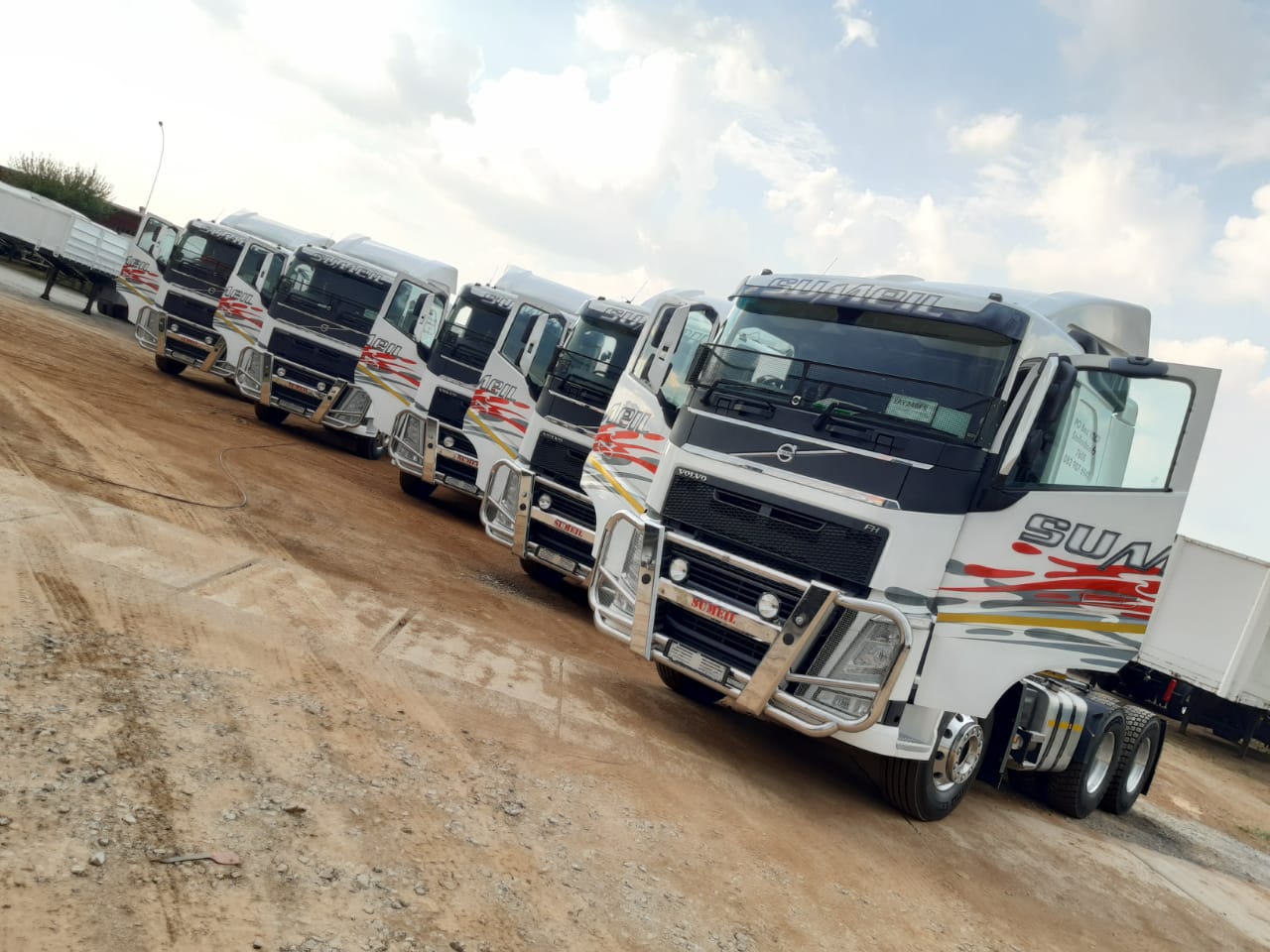
Explore how agricultural transport in South Africa has evolved from ox-drawn carts to modern, sustainable logistics solutions, and how Sumeil Transport delivers efficiency and reliability.
