
Cattle Transport Permits in South Africa: What Documents Do You Need?
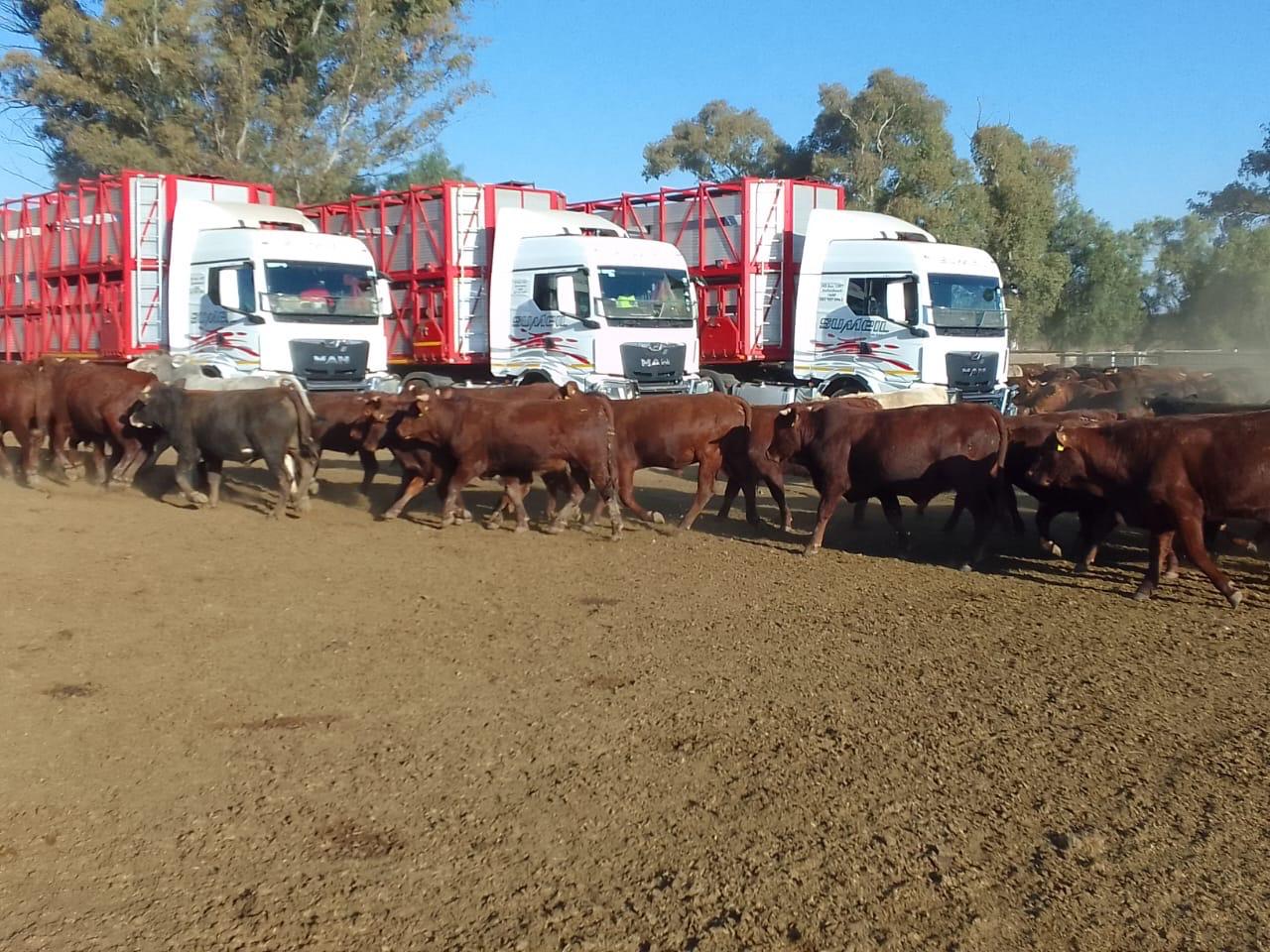
Moving cattle from one location to another involves more than simply arranging a truck. Whether cattle are being transported between farms, sent to an auction, moved to a feedlot, or delivered to an abattoir, farmers must ensure that the necessary documentation is in place before transport begins.
In recent years, livestock movement regulations have received increased attention due to animal disease control measures, particularly those aimed at preventing the spread of Foot-and-Mouth Disease (FMD). As a result, cattle owners and transport companies need to understand the documentation requirements that may apply when transporting livestock.
This guide explains the key documents commonly required for cattle transport in South Africa and highlights practical steps farmers can take to avoid delays and compliance issues.
Why Are Cattle Transport Documents Important?
Livestock movement documents serve several important purposes:
- Help prevent the spread of animal diseases
- Verify the origin of cattle
- Improve traceability within the livestock industry
- Support biosecurity measures
- Assist authorities during inspections
- Reduce the risk of stock theft and illegal movement
Having the correct paperwork available before transport can save time and prevent costly disruptions.
Do You Need a Permit for Cattle Transport?
The answer depends on where the cattle are being moved and the specific animal health requirements that apply at the time.
Certain cattle movements may require veterinary permits or additional documentation, particularly when movement involves disease management areas or specific animal health restrictions. South African regulations also require movement documentation that confirms the origin and health status of livestock being transported.
For this reason, farmers should always confirm current requirements with their local State Veterinarian when planning cattle transport.
Common Documents Required for Cattle Transport
1. Owner Declaration
An owner declaration is one of the most important livestock movement documents.
This declaration typically confirms:
- The origin of the cattle
- Ownership details
- Animal health status
- Farm information
- Destination details
Current livestock movement requirements commonly require an owner declaration that attests to the origin and health status of the animals being moved.
2. Animal Health Declaration
Animal health declarations help provide assurance that the cattle being transported have not shown signs of controlled diseases and originate from a herd with known health status.
These declarations are becoming increasingly important as biosecurity measures continue to evolve across the livestock industry.
3. Recipient Undertaking
In some situations, the buyer or recipient of the cattle may be required to provide an undertaking confirming that animals will be isolated before being introduced to the main herd.
This requirement forms part of disease prevention measures aimed at reducing the spread of infectious livestock diseases.
4. Veterinary Movement Permits
Certain movements may require a veterinary permit issued by the relevant animal health authorities.
Permit requirements often depend on:
- Disease management areas
- Current outbreak conditions
- Destination requirements
- Provincial regulations
- Specific animal health risks
Because these requirements can change, it is advisable to verify permit requirements before arranging transport.
5. Animal Identification Records
All cattle should be properly identifiable before transport.
Identification may include:
- Registered brand marks
- Ear tags
- Auction identification systems
- Farm identification records
Accurate identification improves traceability and assists with regulatory compliance.
Free Livestock Movement Declaration PDF
Farmers looking for an example of the documentation used during livestock transport can download the following resource:
Owner Animal Health Declaration for Movement of Livestock (PDF)
Download Livestock Movement Declaration PDF
This document provides an example of the type of information commonly required when moving cattle, including owner details, farm information, destination details, vehicle information and animal identification records.
Common Mistakes That Delay Cattle Transport
Many transport delays occur because documentation is incomplete or missing.
Some common issues include:
- Incorrect farm information
- Missing animal identification details
- Incomplete owner declarations
- Failure to confirm current permit requirements
- Missing recipient undertakings
- Last-minute transport arrangements
Preparing documents before booking cattle transport helps ensure a smoother process and reduces the likelihood of delays.
Choosing a Professional Cattle Transport Company
Reliable cattle transport involves more than moving animals from one location to another.
An experienced livestock transport company understands:
- Animal welfare requirements
- Biosecurity protocols
- Livestock handling practices
- Route planning
- Documentation requirements
- Industry regulations
Working with a professional transporter helps ensure cattle arrive safely while reducing administrative challenges for farmers.
How Sumeil Supports Safe Cattle Transport
At Sumeil Transport, we understand that cattle transport requires careful planning, professional livestock handling and attention to compliance requirements.
Our team works closely with farmers, feedlots, auctions and agricultural businesses to provide reliable livestock transport services throughout South Africa.
Whether you need to move cattle between farms, transport animals to market, or arrange long-distance livestock transport, our focus remains on safety, animal welfare and dependable service.
Final Thoughts
Cattle transport in South Africa often involves more than simply arranging a vehicle. Depending on the circumstances, farmers may need owner declarations, animal health documentation, recipient undertakings, animal identification records or veterinary permits before cattle can legally be moved.
By understanding the documentation requirements and preparing in advance, farmers can reduce delays, improve compliance and ensure a smoother transport process.
When in doubt, always confirm current requirements with your local State Veterinarian before moving livestock, as regulations and disease-control measures may change over time.
Keep Reading

Transporting cattle is a routine part of modern livestock farming. Whether animals are being moved between grazing areas, transported to auctions, relocated to feedlots, or...
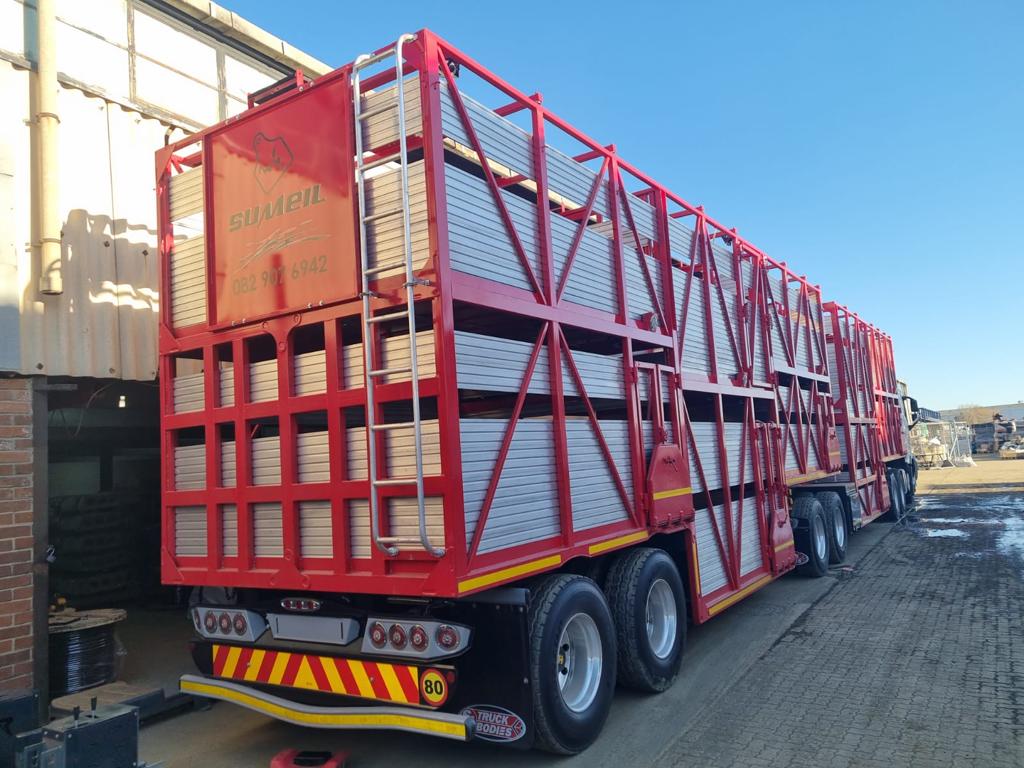
Learn how Sumeil Transport helps prevent foot-and-mouth disease spread in South Africa through safe livestock transport, biosecurity and compliance.
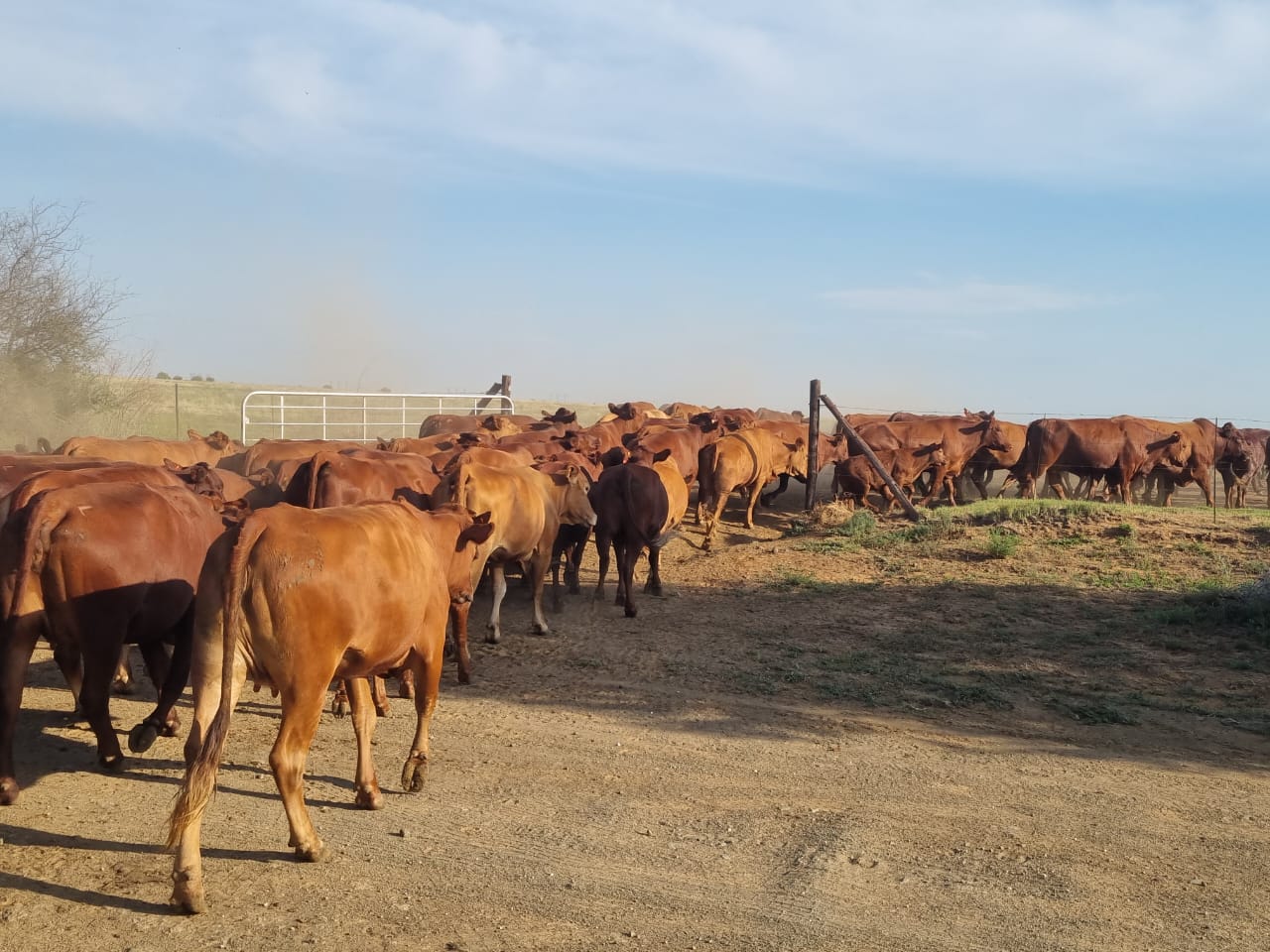
Learn about safe livestock haulage in South Africa’s summer months. Discover essential do’s and don’ts for animal welfare, vehicle preparation, feeding, and legal compliance.
