
Hydraulic Systems 101 and Choosing Between Used vs New Trailers: A Complete Guide for Your Farm
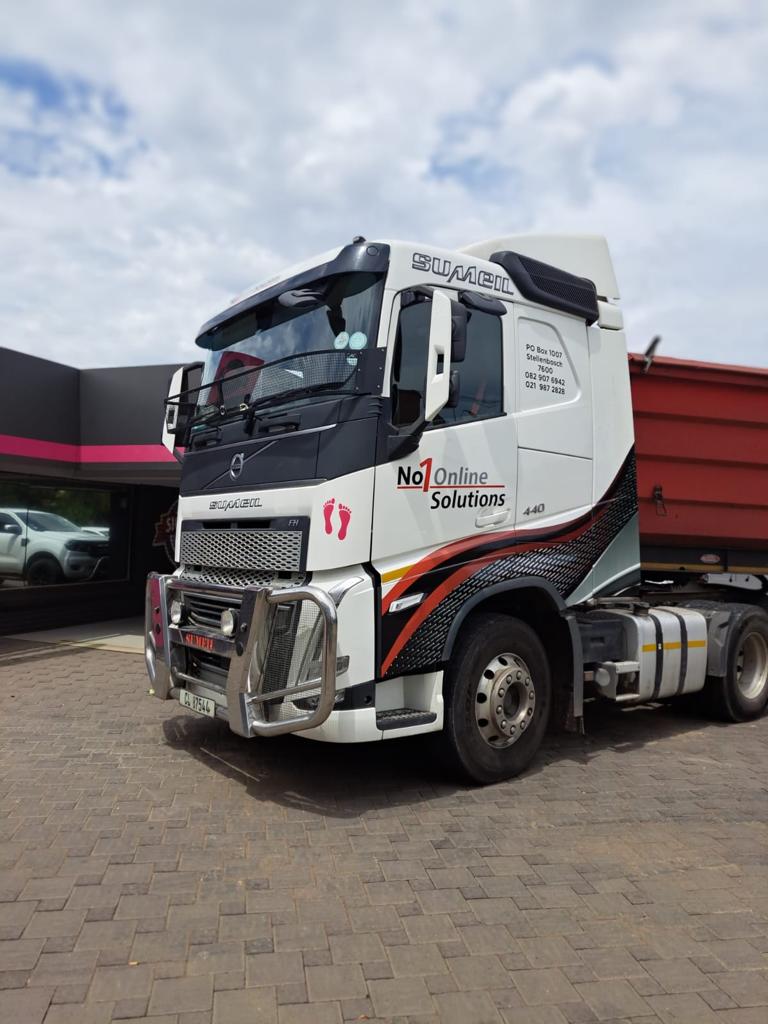
Selecting and maintaining the right trailer is a critical part of efficient farm operations. For many farmers and transport operators, side tippers are indispensable for moving bulk materials like grain, sand, and fertiliser. But owning a trailer comes with responsibilities: understanding its hydraulic system, keeping it maintained, and deciding whether to invest in a new or used trailer.
This guide will walk you through the essentials so you can make informed choices and keep your trailer operating safely and efficiently for years to come.
Understanding Side Tipper Hydraulic Systems
Side tipper trailers use hydraulic cylinders to lift and tip loads to the side. The hydraulic system is the heart of the trailer: it converts fluid pressure into mechanical movement, enabling heavy loads to be unloaded quickly and safely.
Key components include:
- Hydraulic pump: Powers the system, often connected to the tractor or vehicle PTO.
- Hydraulic fluid reservoir: Holds the oil that transfers power.
- Cylinders and rams: Convert fluid pressure into lifting force.
- Control valves: Direct fluid flow and control tipping speed.
- Hoses and fittings: Carry pressurized fluid between components.
Proper understanding of these parts is essential to prevent breakdowns and extend the life of your trailer.
Common Hydraulic Issues and How to Avoid Them
Hydraulic systems are durable, but improper use or neglect can lead to costly repairs. Key maintenance points include:
- Check fluid levels regularly: Low hydraulic oil can damage pumps and cylinders.
- Inspect hoses and fittings: Look for cracks, leaks, or loose connections.
- Maintain clean fluid: Contaminated oil can cause system failure.
- Avoid overloading: Follow the manufacturer’s load rating to prevent stress on cylinders.
- Operate slowly and evenly: Sudden or jerky movements can strain the hydraulic system.
Routine maintenance not only prolongs the life of the system but also improves safety during operation.
Used vs New Trailers: Understanding the Trade-Offs
When buying a side tipper trailer, many farmers face the choice between new or used. Each has advantages and considerations, especially regarding hydraulic systems.
New Trailers
Pros:
- Full manufacturer warranty
- Latest hydraulic technology and design improvements
- Lower risk of hidden wear or damage
- Reduced maintenance in the first few years
Cons:
- Higher upfront cost
- Depreciates faster in the first few years
Used Trailers
Pros:
- Lower initial investment
- Immediate ROI if purchased at a fair price
- Often robust if well-maintained
Cons:
- Higher risk of hydraulic wear, leaks, or corrosion
- Older components may need replacement sooner
- Maintenance records may be incomplete or unavailable
Inspecting Used Trailers: What to Look For
If considering a used trailer, inspect the hydraulic system thoroughly:
- Cylinder condition: Look for scratches, leaks, or bent rods.
- Hydraulic hoses: Check for cracks, bulges, or worn fittings.
- Fluid cleanliness: Ensure the oil is clear and free of debris.
- Operational test: Raise and lower the trailer fully under load to detect uneven or slow movement.
- Structural check: Inspect the chassis, suspension, and tipping frame for signs of fatigue.
A careful inspection can save thousands in repairs and prevent unexpected downtime.
Maintenance Tips for All Trailers
Regardless of whether your trailer is new or used, proper maintenance is key:
- Scheduled checks: Inspect hydraulic systems, tires, lights, and braking systems regularly.
- Lubrication: Keep pivot points and moving parts greased to prevent wear.
- Hydraulic fluid replacement: Follow the manufacturer’s recommended intervals.
- Storage: Keep trailers under cover to prevent rust and component degradation.
- Operator training: Ensure all drivers understand the correct use and limits of the trailer.
Well-maintained trailers last longer, operate safely, and reduce operational costs over time.
Making the Right Choice for Your Farm
The decision between used vs new trailers depends on:
- Your budget
- Frequency and intensity of use
- Risk tolerance for potential maintenance costs
- Available downtime for repairs
- Long-term operational goals
Combining this decision with an understanding of hydraulic systems ensures your trailer investment supports both efficiency and safety.
Conclusion
Side tippers are a vital tool for modern farm operations, but their performance depends on proper hydraulic care and the right purchasing decisions. By understanding how hydraulic systems work, performing regular maintenance, and evaluating whether a new or used trailer fits your operation, you can maximize efficiency, reduce costs, and ensure safe handling of materials for years to come.
At Sumeil, we provide expert advice, high-quality trailers, and practical solutions for farms across South Africa. Investing in knowledge and equipment together is the best way to protect your operations and improve productivity.
Keep Reading
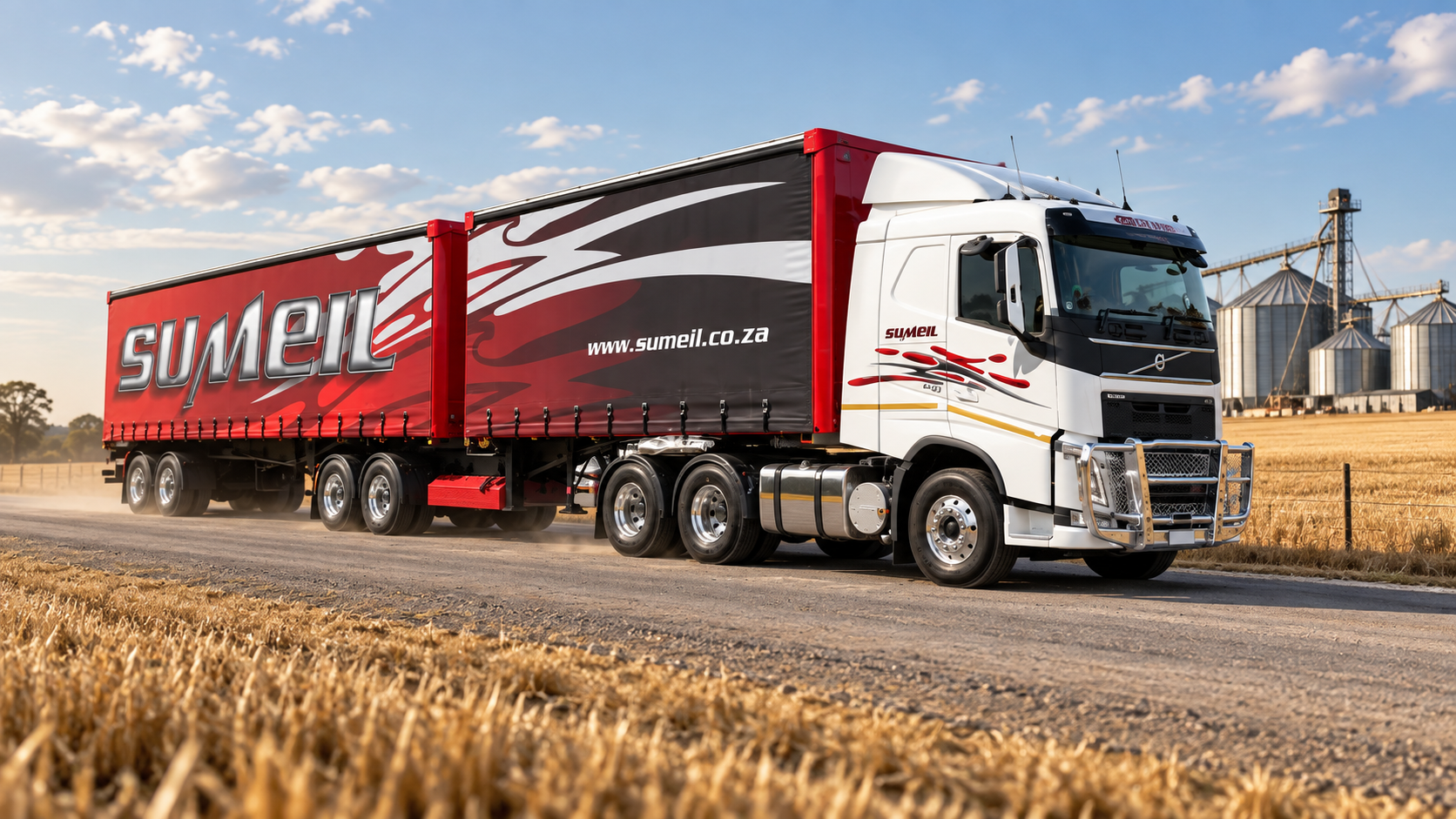
A successful harvest does not end when the crop leaves the field. From the moment grain comes off the combine, another part of the operation...
Efficient on-farm loading saves time and money. Learn practical techniques that reduce truck turnaround times and improve transport efficiency.

Winter is the ideal time to inspect and service agricultural trailers. Learn how preventative maintenance improves safety, reduces costly breakdowns and keeps your fleet ready for the next harvest.
