
Side Tipper vs Flat Deck: Which Is Best for Bulk Agricultural Transport in South Africa?
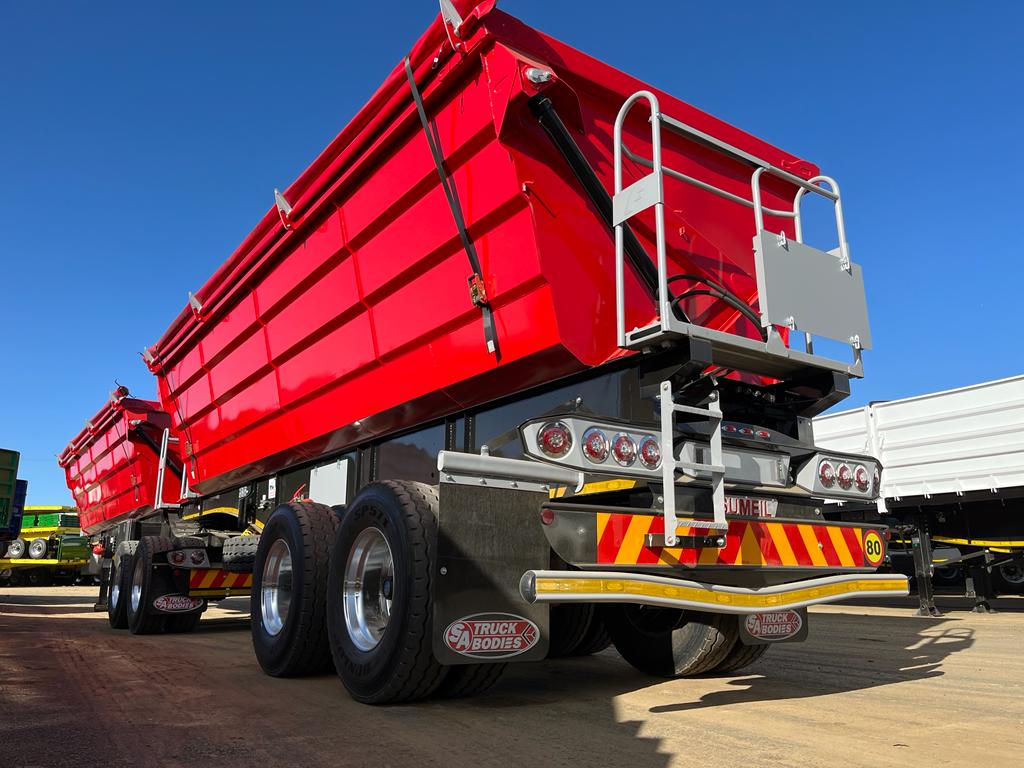
Choosing the right transport solution for bulk agricultural products can directly impact efficiency, turnaround times, and overall cost per ton.
In South Africa’s farming sector, two of the most common options are side tippers and flat deck trailers. While both serve important functions, they are designed for different operational needs.
Understanding the differences can help farmers and agri-businesses make informed decisions when planning logistics.
What Is a Side Tipper?
A side tipper trailer is designed to transport loose bulk materials such as:
- Grain
- Fertiliser
- Coal
- Sand and aggregates
- Agricultural inputs
The trailer tips to the side hydraulically, allowing the load to discharge quickly without manual handling.
Key Advantages of Side Tippers
1. Fast Offloading
Bulk materials can be discharged rapidly at silos or designated sites.
2. Ideal for Loose Bulk Loads
No need for pallets or packaging.
3. High Volume Capacity
Efficient for transporting large quantities over long distances.
4. Reduced Labour Requirements
Hydraulic tipping reduces handling time and manpower.
What Is a Flat Deck Trailer?
A flat deck trailer is an open, flat platform used to transport:
- Palletised goods
- Packaged fertiliser
- Equipment and machinery
- Bagged agricultural products
Flat decks require forklifts or cranes for loading and unloading.
Key Advantages of Flat Decks
1. Versatility
Suitable for a wide variety of loads.
2. Secure Transport for Packaged Goods
Ideal for palletised fertiliser or bagged seed.
3. Safer for Certain Load Types
Better suited for machinery and structured cargo.
Side Tipper vs Flat Deck: Key Differences
| Factor | Side Tipper | Flat Deck |
| Best for | Loose bulk materials | Palletised / packaged goods |
| Offloading | Hydraulic tipping | Forklift or crane required |
| Turnaround Time | Faster at bulk facilities | Slower (manual handling) |
| Load Type | Grain, coal, fertiliser (loose) | Bags, pallets, equipment |
| Cost Efficiency | High for bulk loads | Efficient for structured cargo |
Which Option Is Best for Agricultural Transport?
The correct choice depends on the type of product being moved.
Choose a Side Tipper if:
- You are transporting loose grain to a silo
- You need fast turnaround times
- You want to reduce manual unloading
- You are moving high-volume bulk loads
Side tippers are generally the preferred solution for large-scale grain and fertiliser distribution.
Choose a Flat Deck if:
- Your fertiliser or seed is bagged and palletised
- You are transporting agricultural equipment
- You require flexible load configurations
- Delivery sites lack bulk discharge facilities
Safety and Compliance Considerations
Agricultural transport must comply with:
- Load regulations
- Weight restrictions
- Proper securing of cargo
- Insurance requirements
Side tippers, when overloaded or used incorrectly, can present stability risks. Professional fleet management and proper loading procedures are critical.
Flat decks require correct strapping and load securing to prevent shifting during transit.
Choosing an experienced transport provider ensures these risks are managed effectively.
Cost Considerations
Cost per load depends on:
- Distance
- Volume
- Product type
- Loading and offloading requirements
- Fuel pricing
For loose bulk materials, side tippers generally provide better cost efficiency due to speed and capacity.
For palletised goods, flat decks may be more practical despite slightly longer handling times.
Final Recommendation
There is no one-size-fits-all answer.
The most cost-effective transport solution depends on your product, destination, and operational timeline.
If you are unsure which option suits your needs, consulting with an experienced agricultural transport provider can help ensure:
- Faster turnaround
- Reduced risk
- Lower cost per ton
- Improved harvest season efficiency
Planning logistics strategically can significantly impact overall farm profitability.
Keep Reading
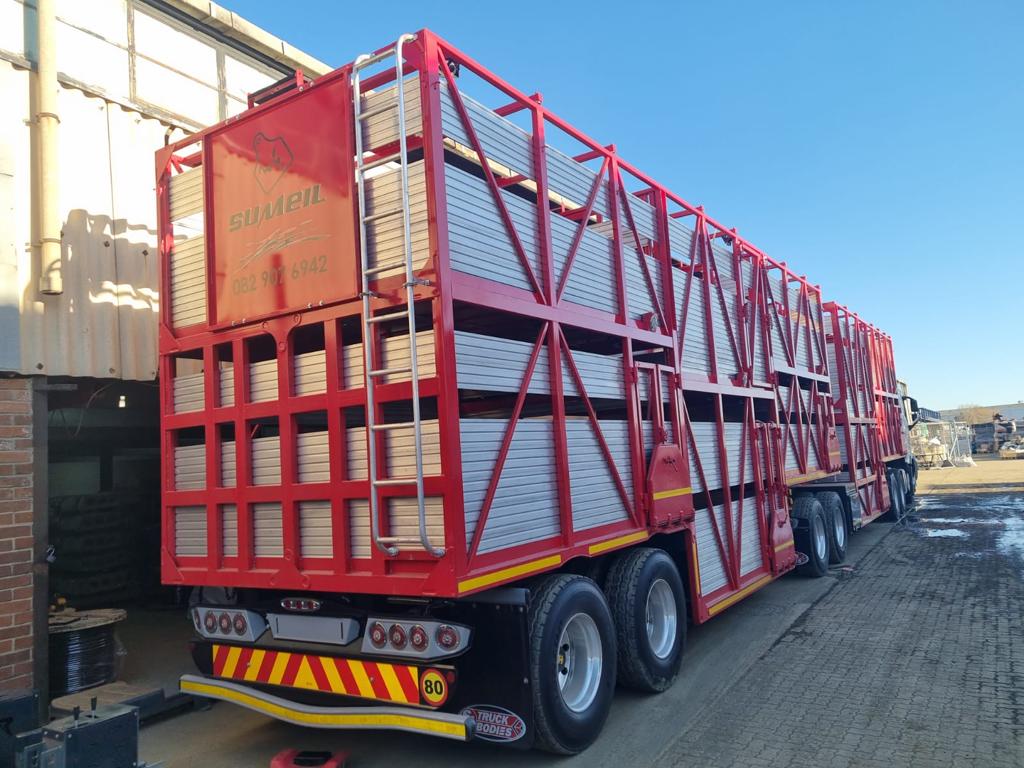
Discover how tipper trailers boost harvest efficiency, reduce grain loss, and support year-round transport for South African farmers.
Discover how smallholder farmers can increase profits, reduce waste, and access larger markets with professional agricultural transport services.
Explore how agricultural transport in South Africa has evolved from ox-drawn carts to modern, sustainable logistics solutions, and how Sumeil Transport delivers efficiency and reliability.
