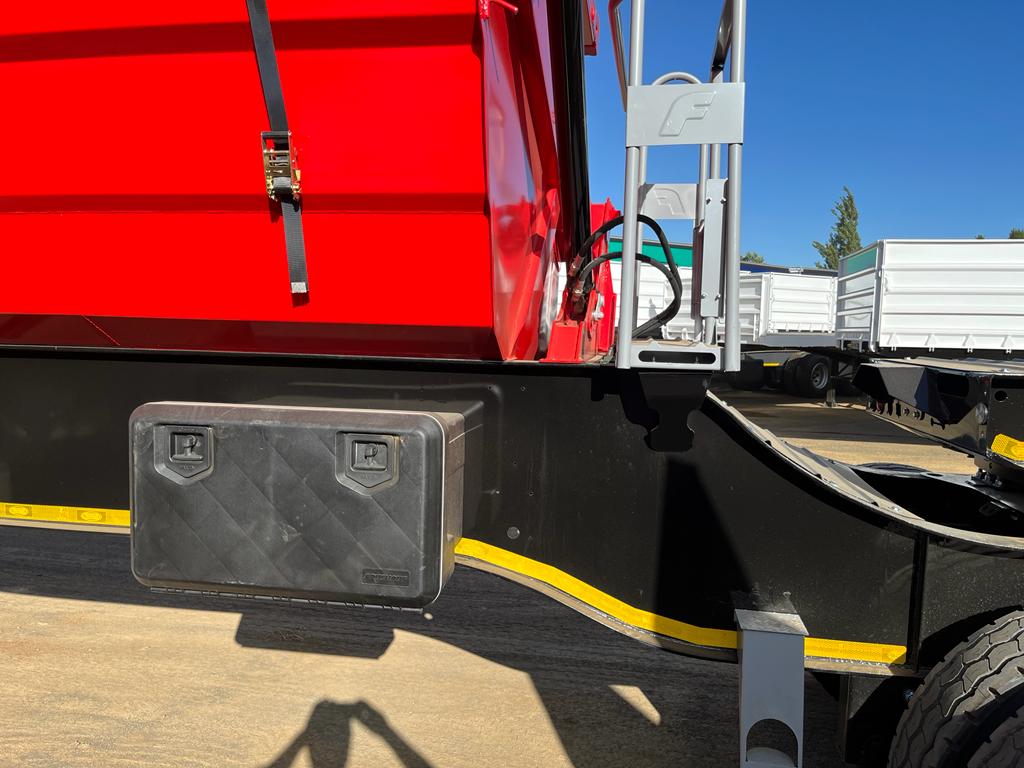
Year-End Fleet Inspection Checklist: Keeping Your Trailers Safe and Road-Ready
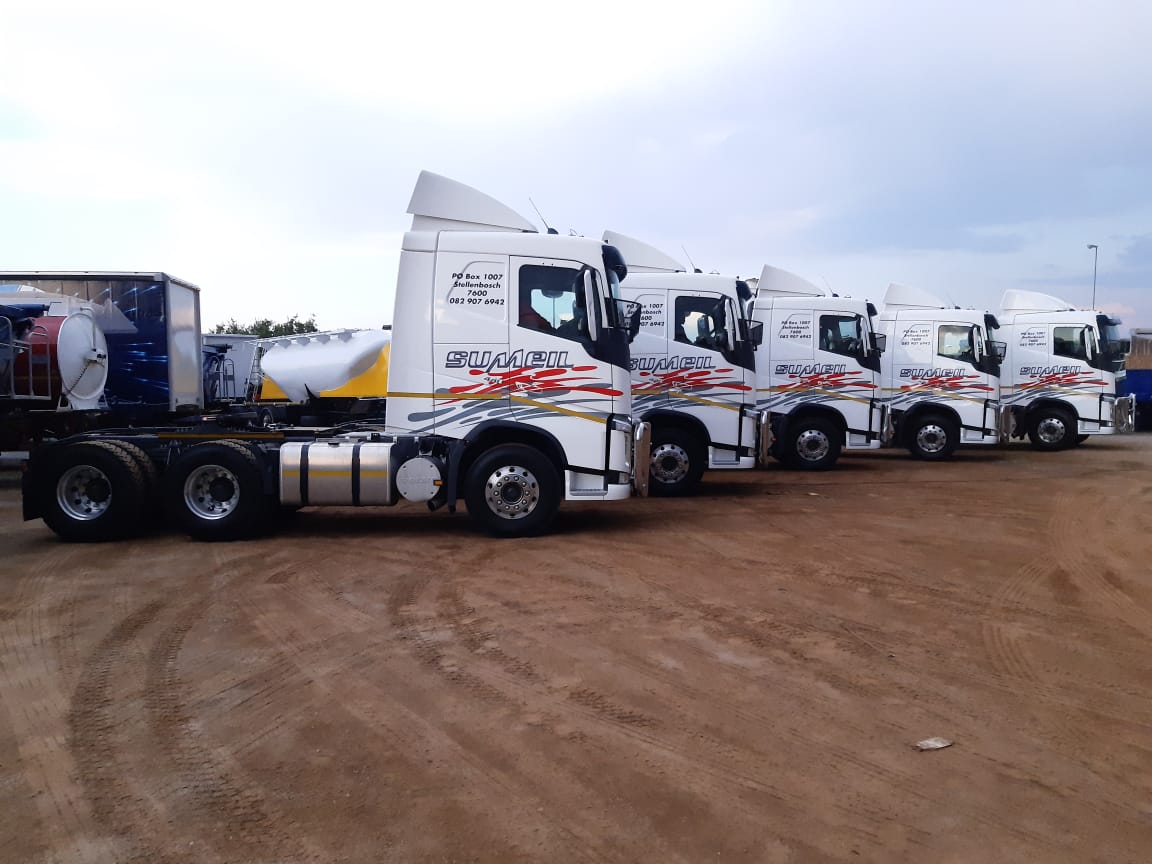
For transport operators across South Africa, the period from December into early January brings a unique mix of high temperatures, busy routes, holiday traffic, and tight delivery schedules. It’s one of the toughest times of the year for both drivers and equipment — especially trailers.
A thorough fleet inspection before the festive-season peak isn’t just good practice; it prevents breakdowns, delays, penalties, and unnecessary repair costs. Whether you’re running tautliners, tippers, or livestock trailers, a structured year-end checklist can make all the difference.
1. Start With the Braking System
Brakes carry the highest safety priority.
Check:
- Air lines for leaks
- Brake pads and linings for wear
- S-cams, slack adjusters, and drums
- ABS sensors and wiring
Trailers often work harder during hot months, and any small fault can quickly escalate.
2. Inspect Suspension Components
Suspension takes on a lot of strain over long distances and uneven roads.
Look for:
- Cracks in hangers and brackets
- Worn bushings
- Damaged airbags on air suspension trailers
- Loose bolts or alignment issues
A misaligned suspension system increases fuel usage and tyre wear.
3. Check All Electrical and Lighting Systems
Faulty lights are one of the biggest causes of fines at roadside stops.
Make sure:
- All indicator, brake and tail lights work
- Wiring is secure and not corroded
- Connections haven’t loosened due to vibration
For tautliners, confirm that interior lights and reflective panels meet safety standards.
4. Tyres: The Most Common Failure Point
Tyres heat up quicker during summer, especially under heavy loads.
Inspect:
- Tread depth
- Sidewall cracks
- Uneven wear
- Correct pressure (set when tyres are cold)
Don’t underestimate the risk of a single faulty tyre at 120 km/h with a full load.
5. Trailer Floor and Body Structure
Each trailer type has specific areas to check:
Tautliners:
- Curtain tension
- Roof bow integrity
- Rear doors and locking mechanisms
Tippers:
- Body cracks or dented reinforcement ribs
- Hydraulic cylinder sealing and pin wear
- Tailgate locks
Livestock trailers:
- Aluminium floor strength
- Ventilation openings
- Gates, hinges and latches
Structural failures can be catastrophic during peak season.
6. Hydraulic System Checks (For Tippers)
Heat expands hydraulic fluid.
Now’s the time to:
- Inspect hoses for signs of aging
- Check for oil leaks
- Confirm the cylinder raises smoothly
- Test the emergency stop system
A blown hose on the road can take an entire day out of operation.
7. Check the Coupling, Kingpin and Landing Gear
It’s easy to overlook these during busy months.
Ensure:
- The kingpin isn’t worn
- Fifth-wheel plate is greased
- Landing gear winds smoothly and locks firmly
These are small parts — but essential for safe, stable hauling.
8. Clean, Lubricate and Prepare for January
A clean trailer is easier to inspect, safer to operate, and lasts longer.
Finish your inspection with:
- A full wash
- Lubrication of moving parts
- A list of repairs to complete before mid-January
- Updates to your internal maintenance log
Consistency reduces breakdowns more than any single repair.
A Safe Fleet Means a Strong Start to 2026
Year-end inspections aren’t just a tick-box exercise; they set the tone for the next year.
A well-maintained trailer:
- Runs cooler
- Uses less fuel
- Gives drivers confidence
- Extends lifespan
- Reduces downtime
Whether you’re hauling goods, grain, aggregates, or livestock, a reliable fleet keeps your business moving when it matters most.
Keep Reading
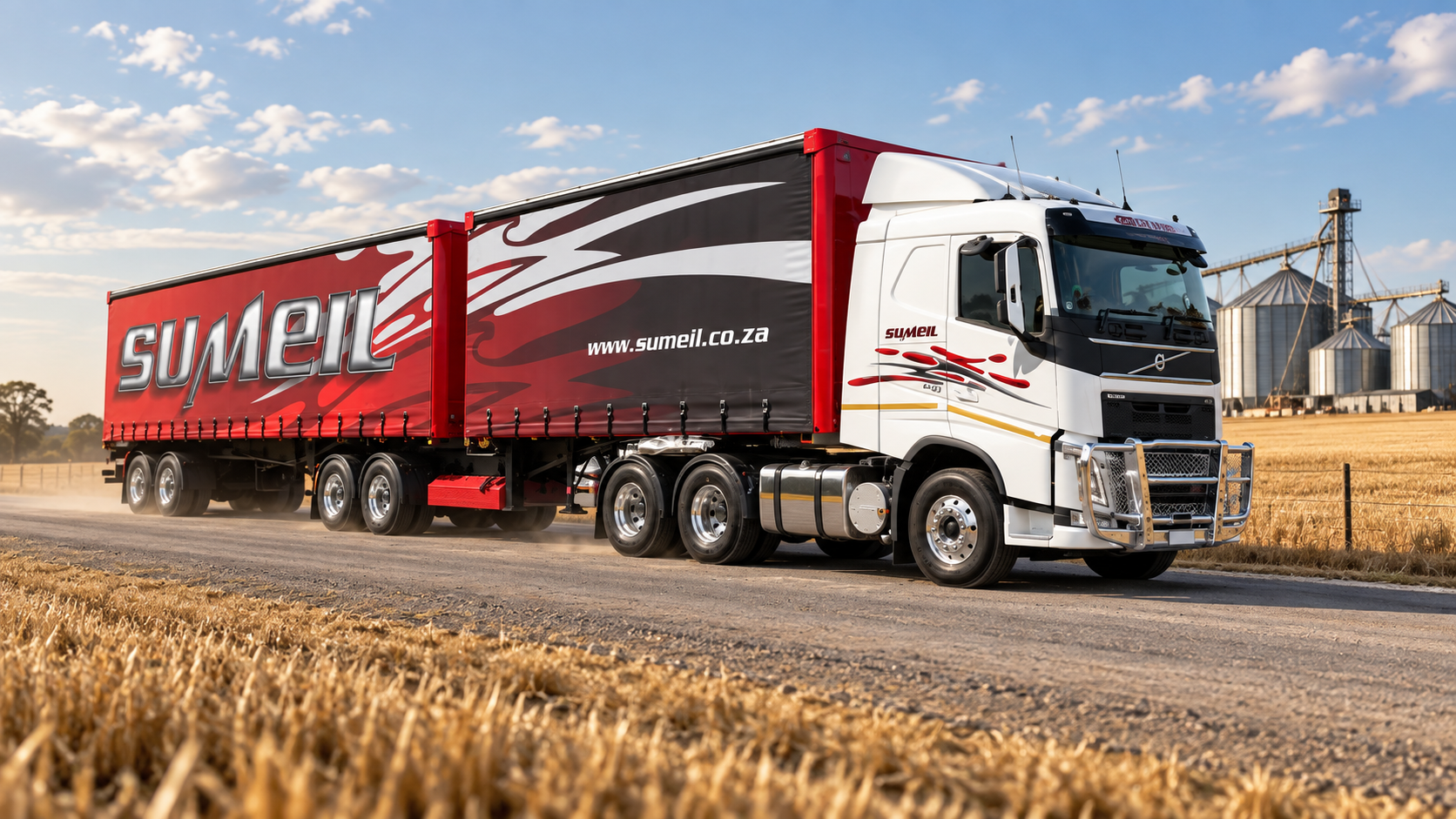
A successful harvest does not end when the crop leaves the field. From the moment grain comes off the combine, another part of the operation...
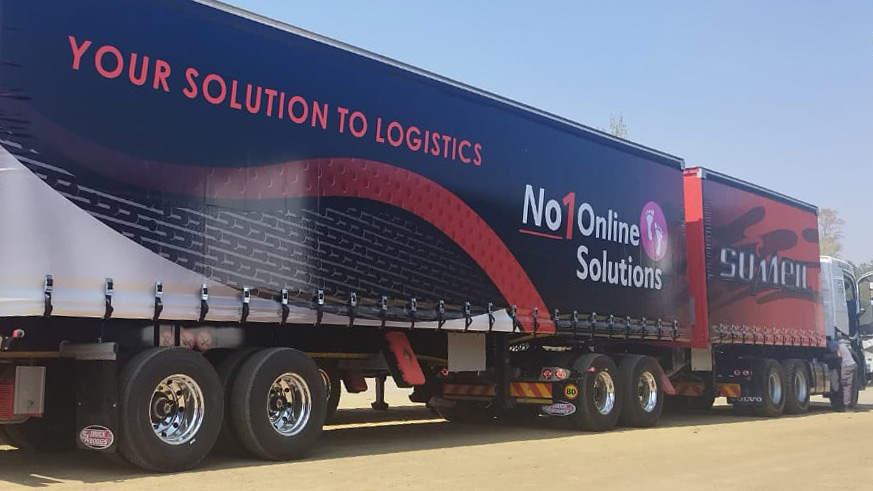
Tautliner trailers are one of the most versatile and widely used trailer types in modern road freight. Whether you’re an owner-driver, fleet manager, logistics coordinator,...

A practical explainer of legal weight limits in South African transport. Learn how axle loads, GVM, and GCM affect safety, compliance, and reliable delivery.