
Enhancing Maize Delivery and Scheduling in South Africa
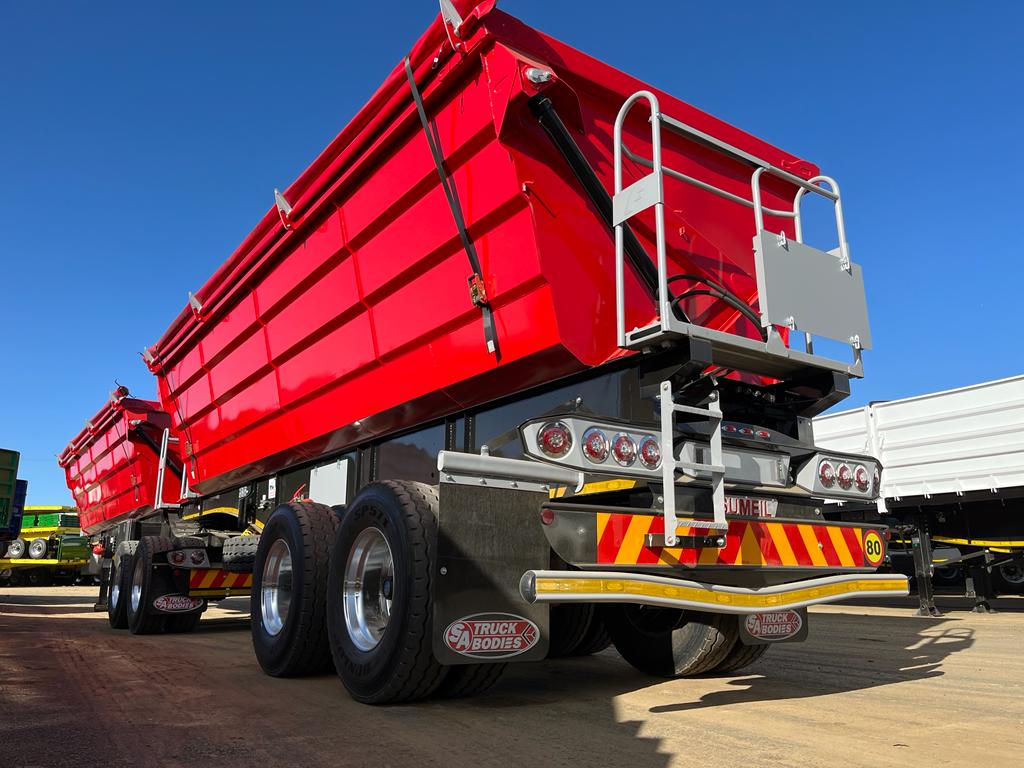
Efficient maize delivery and scheduling are vital for ensuring food security, reducing post-harvest losses, and optimizing supply chains in South Africa. Given the unpredictable weather and demand shifts, enhancing logistics is a game-changer for farmers, traders, and consumers.
Key Challenges in Maize Delivery and Scheduling in South Africa
1. Unpredictable Weather Conditions
Challenge: South Africa’s maize-producing regions, like the Free State and Mpumalanga, face extreme weather conditions—heavy rains and floods disrupt transport, while droughts can halt production. This uncertainty increases the cost and difficulty of planning.
Solution: Implementing smarter, weather-aware systems like mobile apps that provide real-time updates on road conditions and weather can help transporters plan alternative routes. Drones and satellite imagery can also be used to track crop health, giving farmers a heads-up on potential disruptions.
2. Poor Infrastructure
Challenge: Many rural areas in South Africa still struggle with poor road conditions and limited access to markets. This increases transport costs and leads to inefficiencies, especially during peak harvest times.
Solution: A collaboration between the government and private sector to upgrade rural roads and expand rail transport can drastically reduce logistics costs. Additionally, mobile apps could help small-scale farmers connect directly with transport services, ensuring better scheduling and more efficient use of available infrastructure.
3. Storage Limitations
Challenge: In regions like Limpopo and the Eastern Cape, farmers lack adequate storage options, leaving maize vulnerable to spoilage. Without reliable storage, farmers are forced to sell at low prices or risk losing the harvest altogether.
Solution: South Africa’s agricultural sector can benefit from modern, modular storage facilities—such as container storage that offers flexible, climate-controlled environments. Community-based storage cooperatives could also help reduce costs and prevent spoilage while enabling better price negotiations.
4. Inefficient Scheduling
Challenge: A lack of coordination between farmers, buyers, and transporters leads to delayed deliveries and wasted resources, especially in high-demand seasons. This causes some areas to experience oversupply while others face shortages.
Solution: Introducing a digital platform or app for maize logistics could solve this problem. The app would allow farmers to directly communicate with transporters and buyers, automating scheduling and improving efficiency. By tracking inventory in real-time, the platform ensures timely deliveries, reducing both waste and costs.
5. Price Volatility
Challenge: Maize prices in South Africa fluctuate dramatically due to logistical delays, affecting farmers’ incomes and consumers’ affordability. When supply chains break down, prices spike, hurting both ends of the market.
Solution: Introducing blockchain technology can stabilize prices by providing transparency across the supply chain. Blockchain helps track maize from farm to market, ensuring fair pricing. This visibility enables better forecasting and reduces price volatility, benefiting both producers and consumers.
Strategic Solutions for South African Maize Logistics
- Weather-Smart Logistics: Leveraging mobile apps and satellite technology can help farmers and transporters avoid weather-related delays. For example, apps that send alerts about road closures or adverse weather conditions allow for quicker route adjustments, preventing losses and improving delivery time.
- Improved Road Networks: Better road infrastructure is crucial for efficient logistics. Collaborating with local governments and businesses to build stronger rural roads and improve rail access can lower costs and increase market access. Moreover, linking farmers directly with transporters through digital platforms reduces reliance on third parties and ensures smoother operations.
- Flexible Storage Solutions: South Africa could benefit from more community-based, climate-controlled storage options, such as portable silos or refrigerated containers, which could be shared among farmers in rural areas. By pooling resources, smallholder farmers can store their maize at optimal conditions and wait for better market prices.
- Digital Coordination Tools: A South African version of scheduling platforms like “Farmers Connect” could revolutionize the logistics process. Real-time communication between farmers, buyers, and transporters through an app would make scheduling more efficient and reduce delays. This also allows for better demand forecasting, helping farmers plan harvest times to avoid oversupply.
- Blockchain for Price Stability: Blockchain could provide a secure and transparent way to track maize through the supply chain, ensuring that price fluctuations are minimized. By offering end-to-end traceability, blockchain technology can also help build trust between producers and consumers, ensuring fairer market prices for all.
South African Success Stories
Mobile Platforms for Farmers in Gauteng: Mobile-based platforms have been transforming the way South African farmers engage with buyers and markets. For example, farmers in Gauteng use apps like “Agri-Connect” to instantly connect with buyers, access real-time pricing, and reduce reliance on middlemen, boosting their profits.
Zambia’s Warehouse Receipt System Applied in South Africa: Inspired by Zambia’s success, South Africa’s maize farmers are exploring warehouse receipt systems. By using storage as collateral, farmers can secure loans during low season periods, preventing rushed sales at a loss and better managing cash flow.
Conclusion
Enhancing maize logistics in South Africa is a multifaceted challenge, but innovative solutions like weather-aware technologies, better infrastructure, and blockchain transparency can transform the industry. By embracing digital tools, modern storage solutions, and more coordinated logistics, South African maize farmers and suppliers can increase efficiency, reduce waste, and ensure more stable prices for both producers and consumers.
Keep Reading

Common on-farm transport and loading mistakes during harvest, and practical ways to improve efficiency, safety, and turnaround time.
Efficient transport is a critical part of any successful farming operation. Whether it’s moving maize, soya beans, or other bulk commodities, getting your product to...
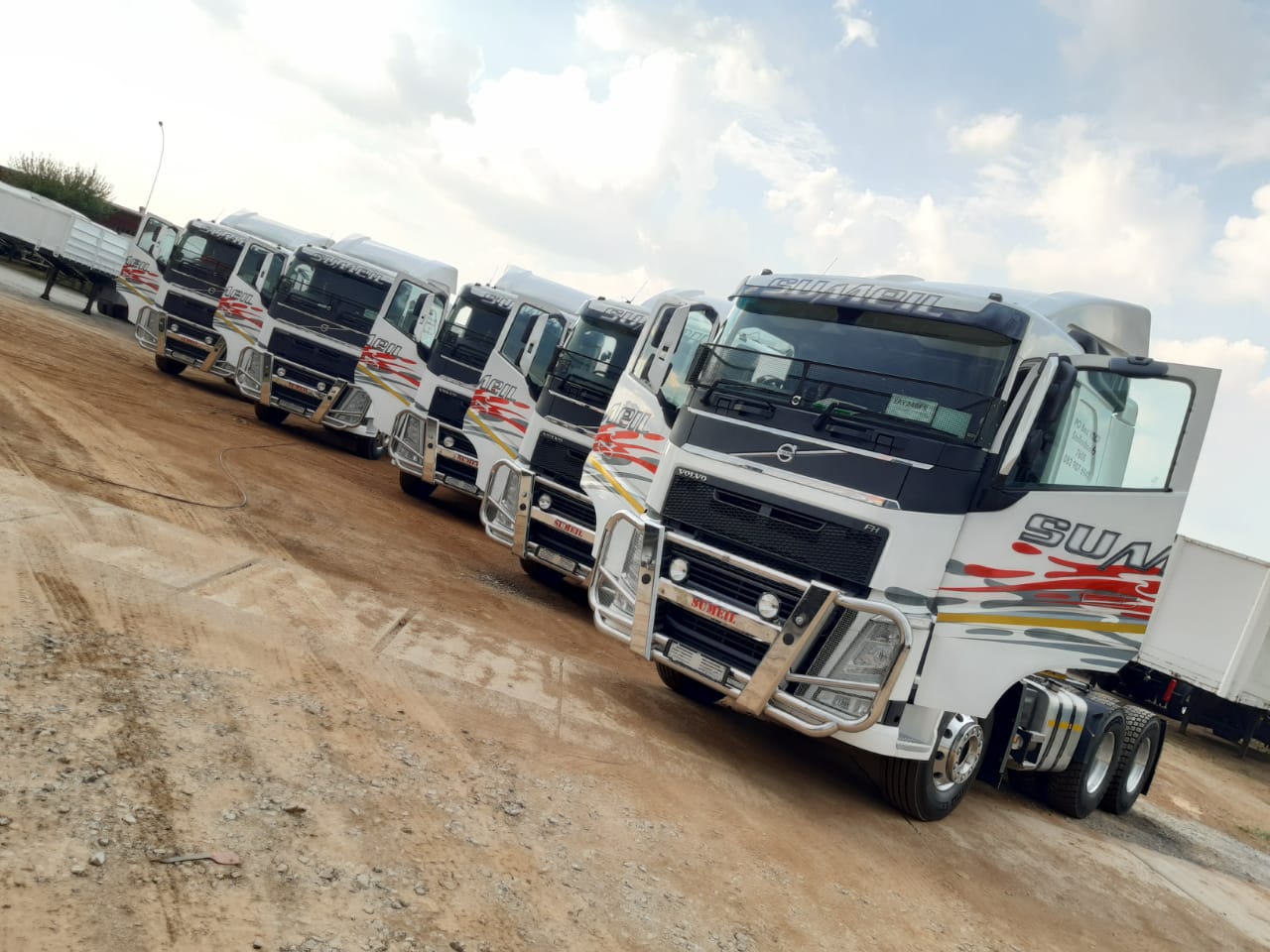
Explore how agricultural transport in South Africa has evolved from ox-drawn carts to modern, sustainable logistics solutions, and how Sumeil Transport delivers efficiency and reliability.
