
The Complete Guide to Agricultural Transport Logistics in South Africa
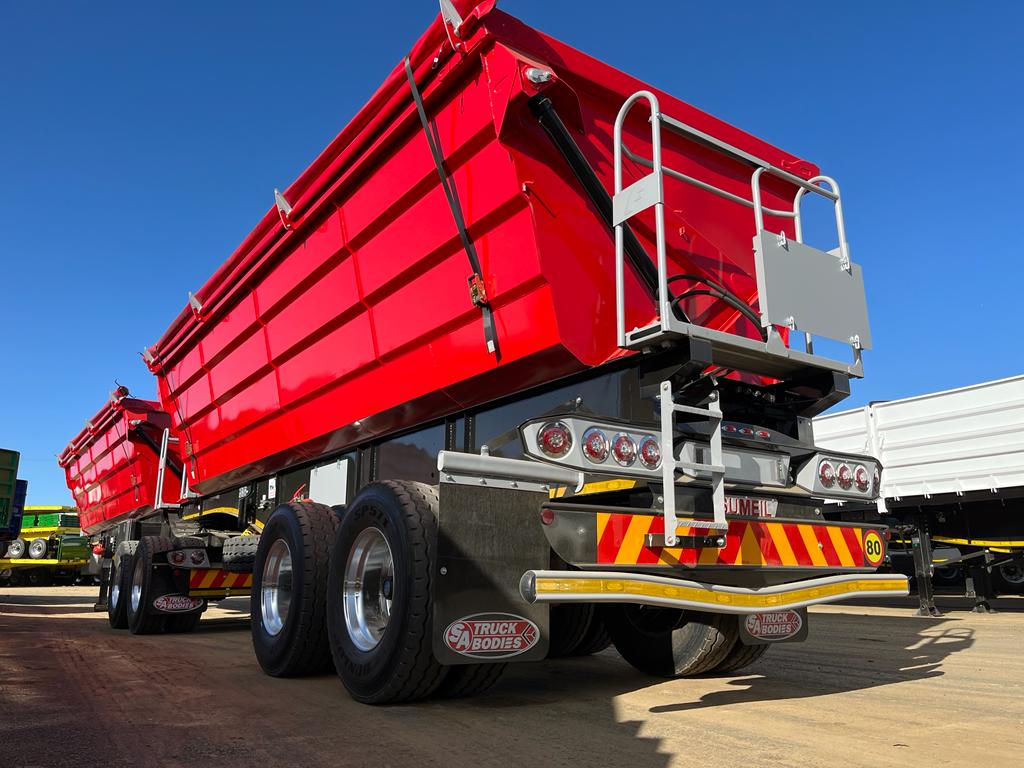
Agricultural transport logistics forms the backbone of South Africa’s farming economy. Whether moving maize from inland Free State farms to coastal silos, transporting cattle across provinces, or coordinating seasonal harvest flows, efficient logistics determines profitability, quality retention, and supply chain reliability. This guide provides a holistic, practical, and locally grounded resource for anyone engaged in farm logistics — from growers to transport managers.
Why Agricultural Transport Matters
Agriculture remains a significant sector in the South African economy. It contributes meaningfully to employment, food security, and exports, moving millions of tonnes of produce annually. Yet, logistical challenges — from rural infrastructure quality to regulatory compliance — directly affect producers’ bottom lines. Logistics is not merely a cost centre; it is a strategic asset that influences product quality, turnaround times, market access, and customer satisfaction. Efficient logistics minimise post-harvest losses, protect commodity quality, and enable farmers to reach both domestic and export markets with confidence.
Core Components of Agricultural Transport Logistics
1. Modes of Transport
The South African agricultural transport system is dominated by road freight, particularly for first-mile and last-mile deliveries. Roads allow flexibility and reach even the most remote farms. Rail freight remains underutilised but is poised for transformation as private operators gain access to the network, offering long-haul economies for bulk commodities to ports.
Road Transport
- Most common mode for agricultural cargo.
- Offers flexibility for variable routes and scheduling.
- Tailored vehicles accommodate grains, livestock, fertilisers, and inputs.
Rail Transport
- Cost-effective for bulk over long distances.
- Historically constrained by infrastructure challenges.
- Recent reforms are expanding private rail roles to alleviate pressure on roads.
Types of Agricultural Cargo
Grain and Bulk Commodities
Transporting bulk grains like maize or wheat requires purpose-built trailers and strict handling protocols. These ensure quality is preserved from harvest to silo or mill. Moisture contamination, dust ingress, and physical damage all affect value in transit, so specialised equipment — such as clean tipper or side-tipper trailers with tarpaulin covers — is a baseline requirement for quality logistics.
Livestock
Livestock transport demands a focus on welfare, safety, and regulations. This includes:
- Adequate ventilation and shade,
- Non-slip flooring,
- Hydration consideration on long journeys,
- Loading and unloading safety.
Customised livestock trailers and trained drivers reduce stress and risk, making welfare a logistical priority.
Inputs & Equipment
Agricultural inputs like seed, fertiliser, diesel, and machinery components need careful staging for seasonal peaks. Timely movement of these inputs facilitates planting windows and production cycles.
Supply Chain Stages in Agricultural Logistics
First-Mile Collection
This is the initial transport from farm gates to central collection points, including:
- Harvest aggregators,
- Silos or cold storage facilities,
- Aggregation hubs.
Planning first-mile logistics means synchronising harvest scheduling with transport availability, avoiding delays that deteriorate product quality.
Long-Haul Transport
Often covering hundreds of kilometres, this stage moves bulk commodities to regional hubs or ports. Key priorities include weight compliance, route optimisation, and minimising delays at loading and off-loading points.
Last-Mile Delivery
Final delivery to processing facilities, retail distributors, or export terminals requires flexibility and reliability. Load tracking and advance scheduling prevent bottlenecks at industrial receivers.
Regulatory Environment
Transport operations in South Africa must align with national and provincial freight and safety regulations. Essential compliance areas include:
- Vehicle and driver licensing,
- Load weight and axle distribution standards,
- Occupational health and road safety regulations.
Rigorous compliance improves safety and protects farmers’ brand reputation in supply contracts with buyers and cooperatives.
Infrastructure and Connectivity Challenges
South Africa’s logistics sector faces infrastructure constraints that directly influence agricultural transport efficiency:
- Congested and deteriorating rural roads increase transit time and cost.
- Port congestion and limited rail integration create export delays and backlogs for cargo destined for international markets.
Reforms that open rail corridors to private operators aim to improve freight capacity and reduce reliance on road haulage for long distances.
Transport Planning for Seasonal Farming Cycles
Agricultural transport demand is highly seasonal:
- Harvest windows create spikes in tonne-km demand,
- Planting seasons require input distribution,
- Weather patterns influence route choices and scheduling.
Effective planning anticipates these cycles with:
- Advance bookings with transport partners,
- Flexible contract terms,
- Seasonal staffing and equipment readiness.
Efficiency Through Technology and Data
Technology elevates agricultural logistics capabilities:
- GPS and real-time fleet tracking reduce delays and improve transparency,
- Route optimisation tools lower operating costs,
- Digital load documentation enhances traceability and compliance.
Investing in data systems supports predictive decisions rather than reactive problem-solving.
Cost Control and Price Management
Logistics is a major cost component in farm economics. To maintain competitive pricing:
- Negotiate volume and seasonal contracts with transport partners,
- Evaluate total cost per tonne-km rather than per trip,
- Factor in penalties for delays or non-compliance.
Transparent pricing structures build trust with farmers and aggregate buyers alike.
Sustainability and Environmental Considerations
Efficient logistics also reduce environmental footprint:
- Fuel-efficient vehicles,
- Optimised routing to minimise empty runs,
- Maintenance regimes that improve emissions performance.
Balanced sustainability can strengthen market positioning, especially when selling into ESG-conscious markets.
Risk Management in Agricultural Transport
Key risks include weather disruptions, breakdowns, road closures, and compliance audits. Mitigation strategies include:
- Redundancy in vehicle assignments,
- Maintenance scheduling during low demand periods,
- Weather-responsive routing.
Choosing a Transport Partner
For farmers and agribusinesses, selecting a logistics partner is a strategic decision. Criteria should include:
- Commodity handling expertise,
- Fleet capability and condition,
- Compliance record and safety focus,
- Load tracking and communication systems,
- Reliability in peak seasons.
Sumeil’s positioning as an agriculture-specialised carrier emphasises these strengths — protecting cargo quality, supporting compliance, and aligning delivery timing with market needs.
Conclusion
Agricultural transport logistics in South Africa is a complex but navigable domain where strategic planning, compliance, infrastructure awareness, and technology integration converge to determine success. By treating logistics as a core operational discipline — not simply a cost centre — producers and transport partners alike unlock efficiency, reliability, quality retention, and market performance.
This foundational guide is intended to be the cornerstone reference for transport-related content on Sumeil.co.za, with ample linking opportunities to:
- Seasonal planning articles,
- Grain or livestock transport best practices,
- Regulatory and compliance deep dives,
- Case studies highlighting operational excellence.
Keep Reading
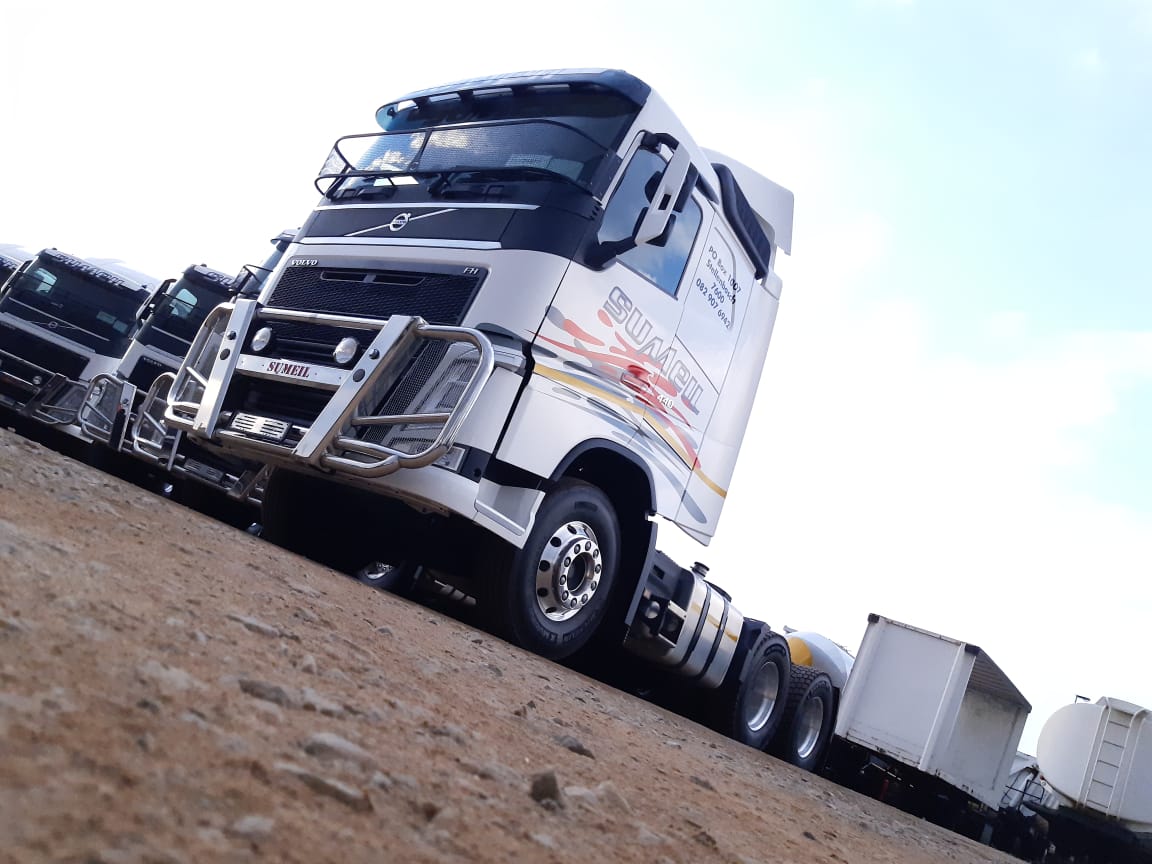
Discover how custom agricultural transport solutions improve efficiency, reduce costs, and ensure safe delivery of livestock, grains, and perishables. Learn about specialized trailers, tipper trucks, and cold chain logistics for South African farmers.
Efficient transport is a critical part of any successful farming operation. Whether it’s moving maize, soya beans, or other bulk commodities, getting your product to...
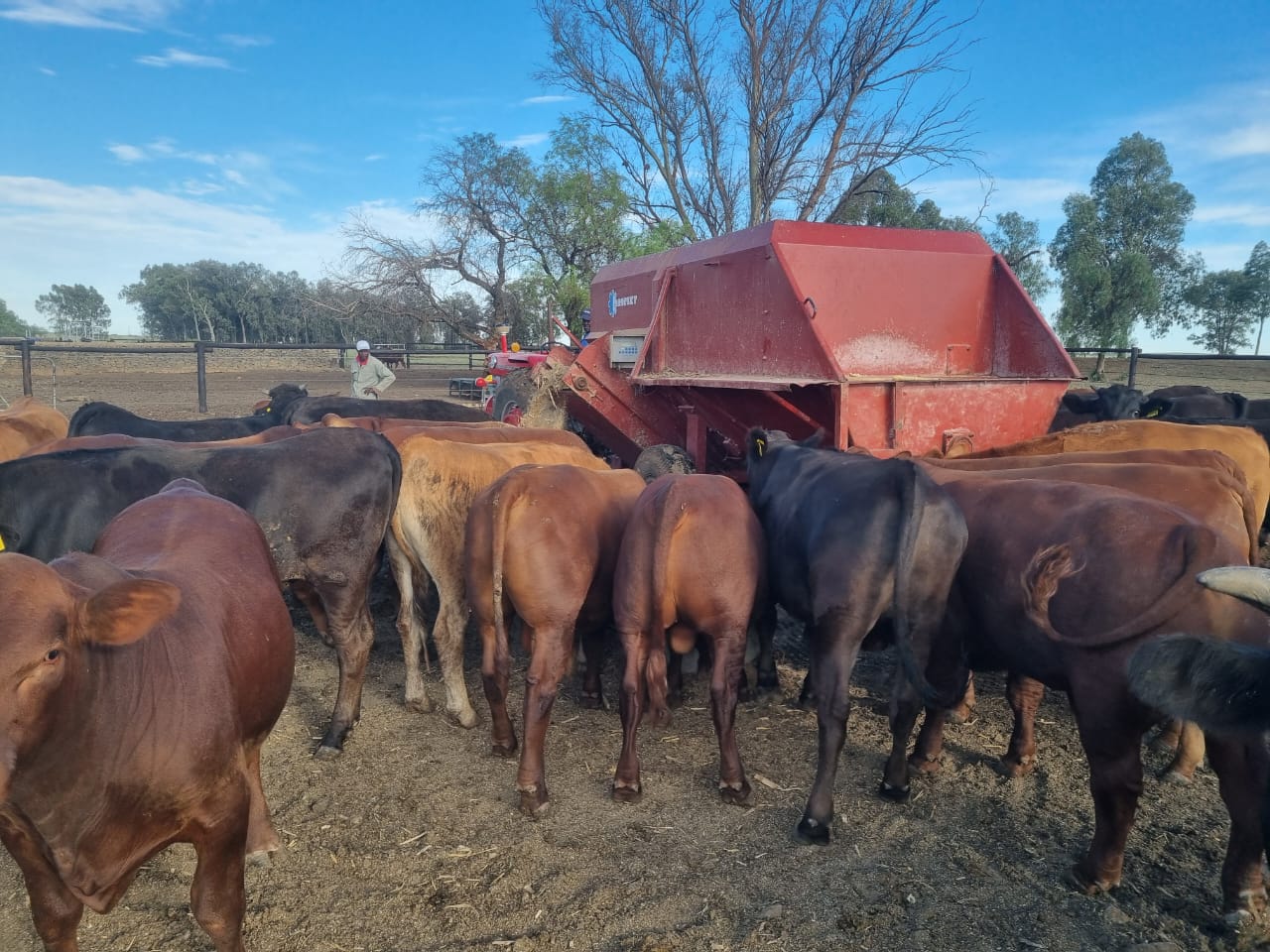
Explore the impact of Foot and Mouth Disease on livestock transport in South Africa. Learn about restrictions, biosecurity measures, and trade challenges in 2025.
